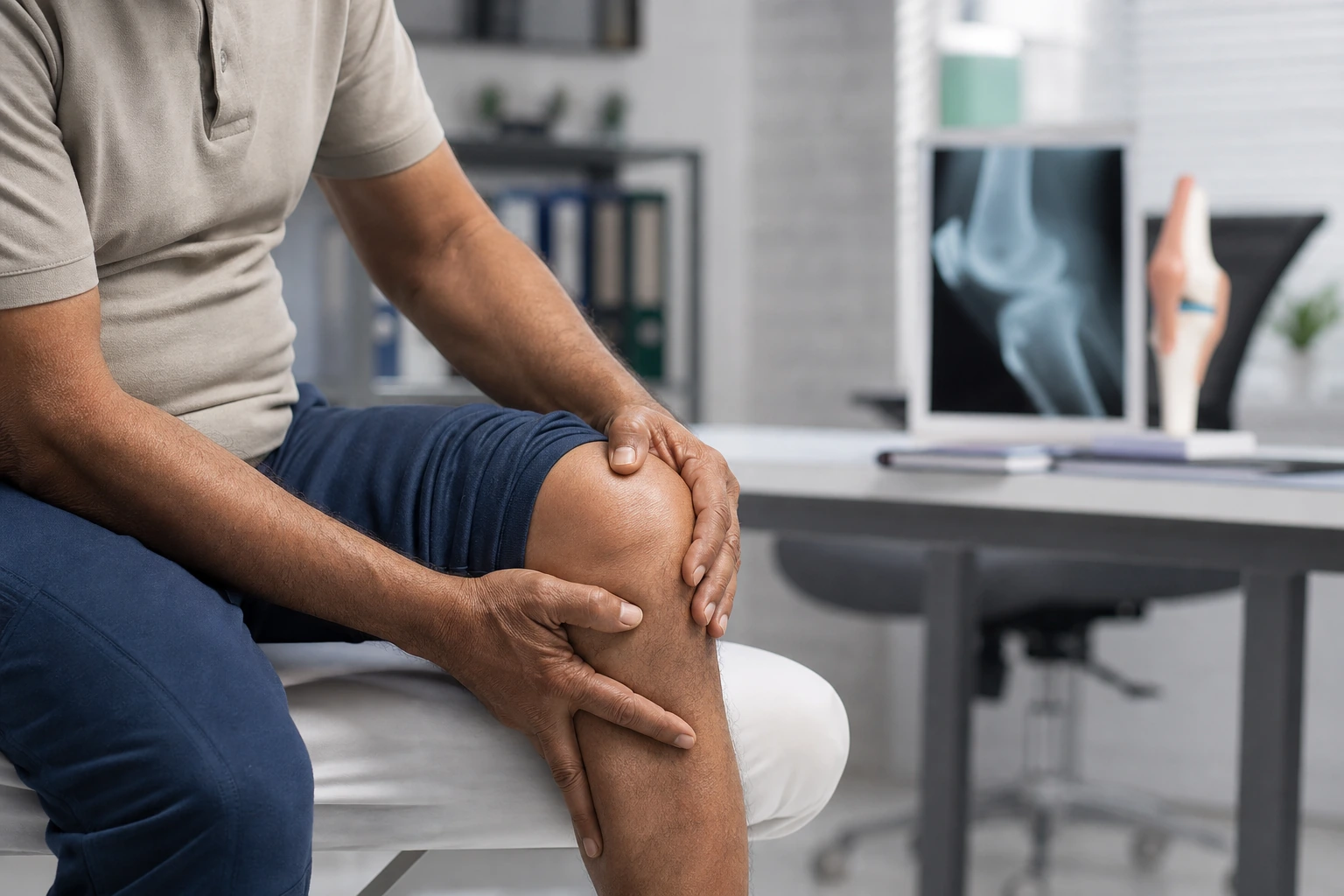
Knee pain is no longer something people simply accept as a part of aging. In 2026, more patients are beginning to understand that persistent joint pain, stiffness, and difficulty walking may indicate progressive osteoarthritis rather than temporary discomfort.
Today, many people searching for an osteoarthritis knee doctor Kolkata are not only looking for short-term pain relief. They want treatment options that may help them continue walking comfortably, remain independent, and maintain long-term joint function.
In my clinical experience, many patients continue adjusting their lifestyle around knee pain for years before seeking orthopedic care. Gradually avoiding stairs, limiting walking distance, depending on support while standing, or reducing outdoor activity often becomes part of daily routine without realizing how significantly mobility has changed.
At the same time, orthopedic care is evolving rapidly across Kolkata and West Bengal. Modern osteoarthritis management is now focused not only on reducing pain — but also on preserving movement, improving joint function, and helping patients stay active for longer.
Why Osteoarthritis Is Becoming More Common in Urban India
Osteoarthritis is one of the leading causes of chronic knee pain among adults over 40. However, orthopedic specialists are now seeing symptoms appear earlier due to changing urban lifestyles and reduced physical activity.
In metropolitan cities like Kolkata, several factors may contribute to worsening joint health:
- Long office hours
- Sedentary routines
- Weight gain and obesity
- Reduced muscle strength
- Delayed orthopedic consultation
- Previous injuries or ligament damage
Many patients unknowingly reduce movement because of pain. Unfortunately, lower physical activity may weaken muscles surrounding the knee joint and increase stiffness over time.
Patients searching online for osteoarthritis treatment in Kolkata often ask whether surgery is the only solution for long-term knee pain.
The answer depends on:
- severity of arthritis
- mobility limitations
- cartilage damage
- joint alignment
- overall lifestyle demands
Early orthopedic evaluation is extremely important because treatment options are usually broader before advanced joint degeneration develops.
Osteoarthritis Is More Than Simple “Wear and Tear”
One of the biggest misconceptions about osteoarthritis is that it develops only because of aging.
In reality, osteoarthritis is a progressive joint condition that gradually affects cartilage cushioning, movement mechanics, and joint flexibility over time.
Patients often experience pain while walking, morning stiffness, swelling around the knee, and difficulty climbing stairs as osteoarthritis gradually progresses.
In many advanced arthritis cases, patients ignore these symptoms until daily movement becomes significantly affected.
This is one reason why early diagnosis plays such an important role in long-term joint preservation.
Can Osteoarthritis Be Reversed Naturally?
Osteoarthritis cannot completely reverse once significant cartilage damage develops. However, early treatment, structured rehabilitation, weight management, and lifestyle correction may help reduce symptoms, improve joint function, and slow further deterioration.
Patients seeking osteoarthritis treatment in Kolkata often benefit the most when intervention begins before severe stiffness and advanced joint damage occur.
Beyond Painkillers: How Osteoarthritis Treatment Is Changing in 2026
For many years, osteoarthritis care focused mainly on temporary symptom control through:
- Pain medications
- Rest
- Knee braces
- Basic physiotherapy
While these approaches may still help selected patients, modern orthopedic care is becoming far more individualized and mobility-focused.
Today, treatment planning often depends on:
- Joint condition severity
- Body weight
- Daily activity levels
- Muscle strength
- Alignment changes
- Walking ability
- Lifestyle requirements
Patients visiting an osteoarthritis knee doctor Kolkata are increasingly receiving patient-specific rehabilitation and joint-care plans rather than generalized treatment advice.
This shift is helping many patients manage symptoms more effectively before severe disability develops.
Osteoarthritis Care: Then vs Now
| Earlier Approach | Modern Osteoarthritis Care |
|---|---|
| Painkiller-focused treatment | Mobility-focused treatment planning |
| Delayed orthopedic consultation | Early diagnosis and intervention |
| General exercise advice | Structured rehabilitation programs |
| Limited imaging evaluation | Advanced orthopedic assessment |
| Symptom control only | Long-term joint preservation |
Patients are now becoming more aware that osteoarthritis treatment is not simply about “living with pain.” The focus is increasingly shifting toward preserving independence and improving movement quality.
When Should Knee Pain Be Taken Seriously?
Many patients continue tolerating knee pain for years without proper orthopedic assessment.
However, certain symptoms should never be ignored.
Warning Signs That Need Orthopedic Evaluation
You should consult a specialist if you experience:
- Persistent knee pain lasting several weeks
- Difficulty climbing stairs
- Recurrent swelling
- Knee stiffness after rest
- Pain affecting sleep
- Reduced walking confidence
- Difficulty standing from a seated position
Patients searching for an experienced osteoarthritis knee doctor Kolkata should ideally seek evaluation early rather than waiting for severe movement restriction.
In my clinical experience, delayed treatment often increases stiffness, reduces mobility, and limits future treatment options.
Can Osteoarthritis Be Managed Without Surgery?
Not every patient with osteoarthritis requires surgery.
In fact, many patients may benefit from non-surgical treatment when osteoarthritis is diagnosed at the appropriate stage.
Modern Non-Surgical Treatment Approaches
Depending on the condition of the joint, treatment may include:
- Weight management
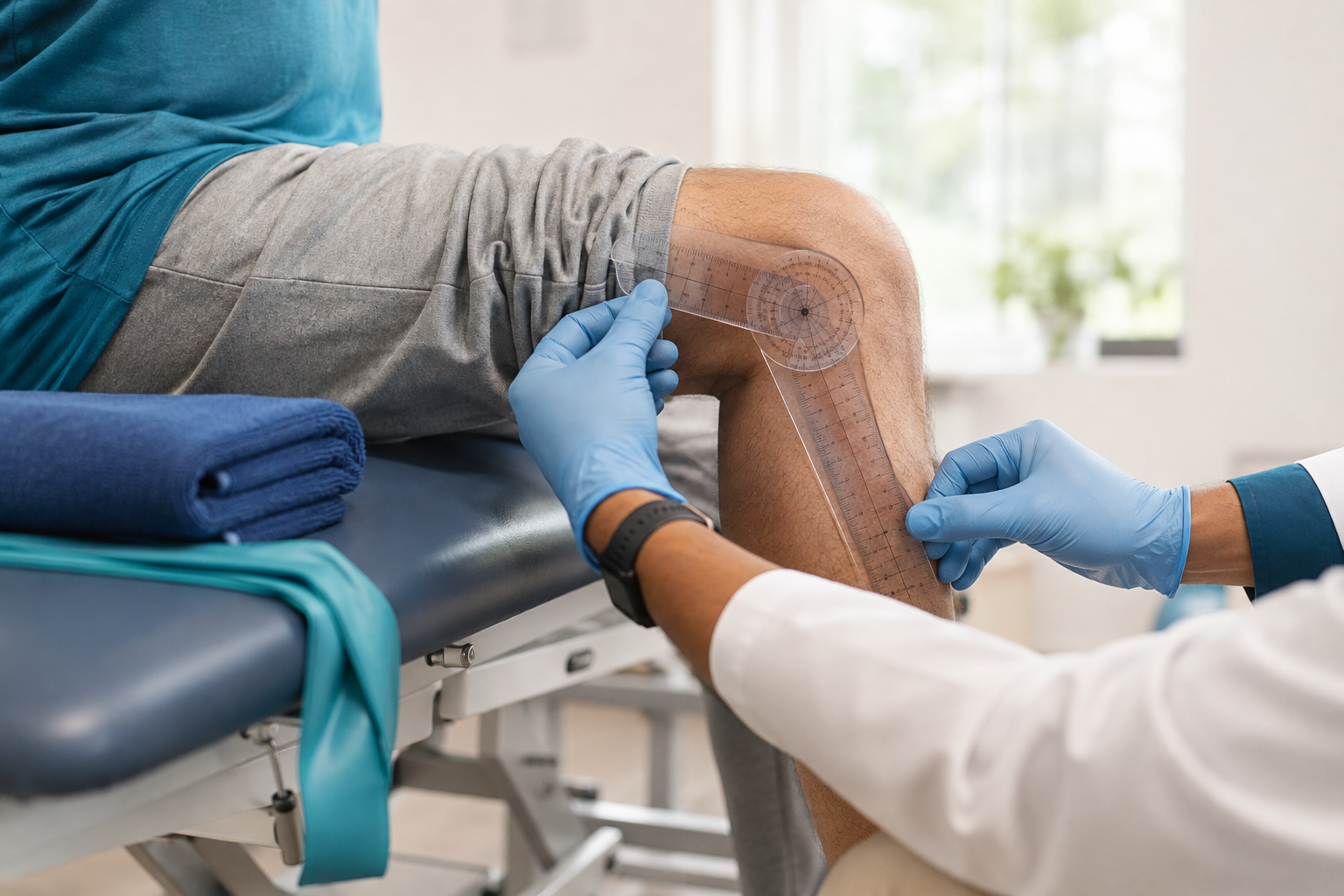
- Targeted physiotherapy
- Muscle strengthening programs
- Activity modification
- Guided rehabilitation
- Knee support devices
- Lifestyle correction
Improving muscle strength around the knee joint may help reduce stress on damaged cartilage and improve movement confidence.
Patients undergoing osteoarthritis treatment in Kolkata are increasingly exploring rehabilitation-focused care aimed at improving daily function rather than simply masking pain temporarily.
Why Ignoring Knee Pain Can Make Osteoarthritis Worse
One of the biggest mistakes many patients make is repeatedly increasing pain medication without properly evaluating the underlying joint condition.
Painkillers may reduce discomfort temporarily, but they do not stop osteoarthritis progression.
In my clinical experience, patients who begin structured treatment earlier often maintain better mobility and independence for a much longer period.
Early orthopedic care may help:
- Slow movement decline
- Improve joint flexibility
- Reduce stiffness
- Support muscle function
- Delay advanced degeneration
This becomes especially important in metropolitan environments like Kolkata, where long commuting hours, stair climbing, and reduced physical activity may place additional stress on already damaged knee joints.
Can Modern Technology Improve Osteoarthritis Treatment?
Orthopedic care is becoming increasingly technology-assisted.
Today, specialists may use:
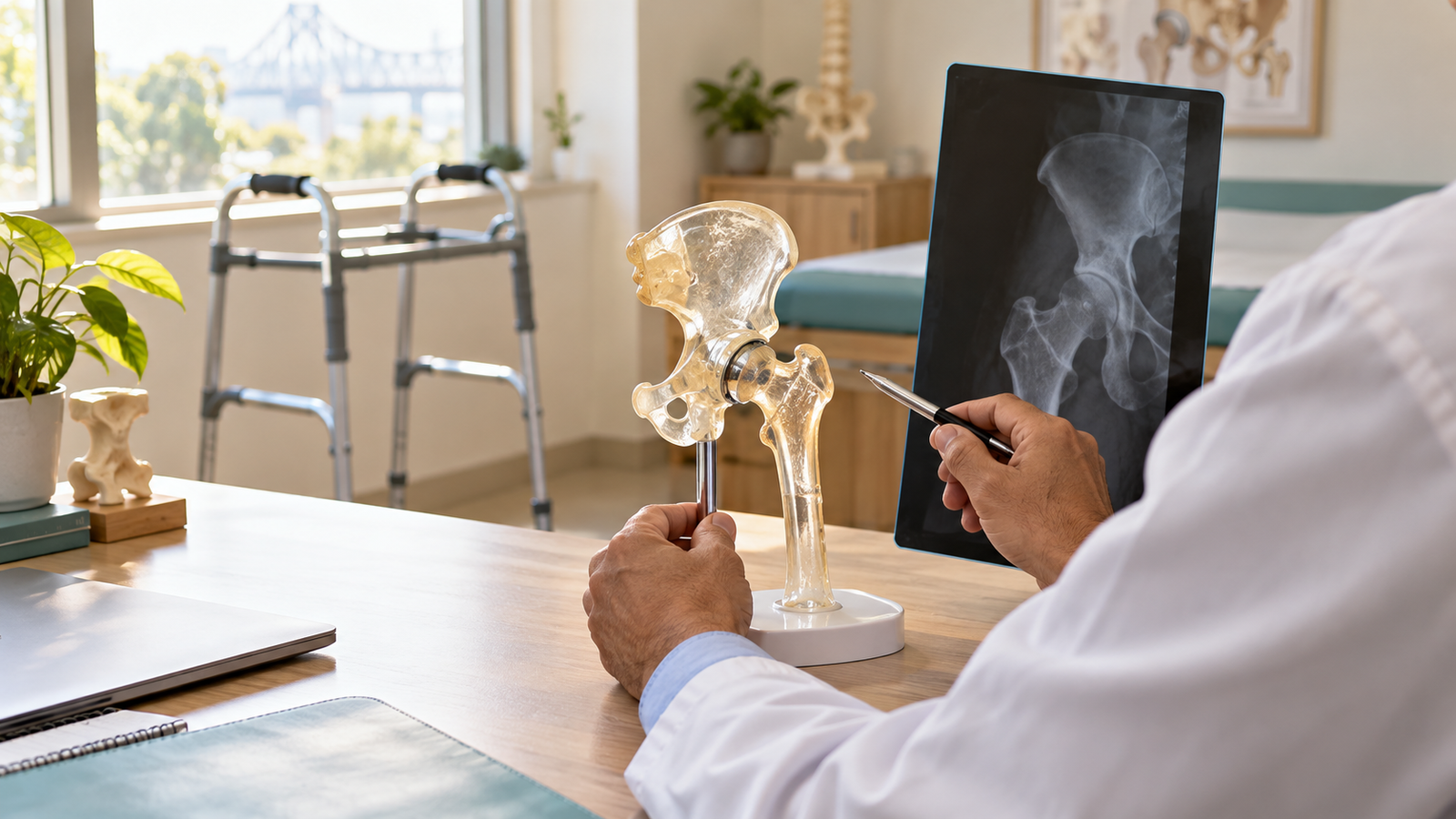
- Advanced digital imaging
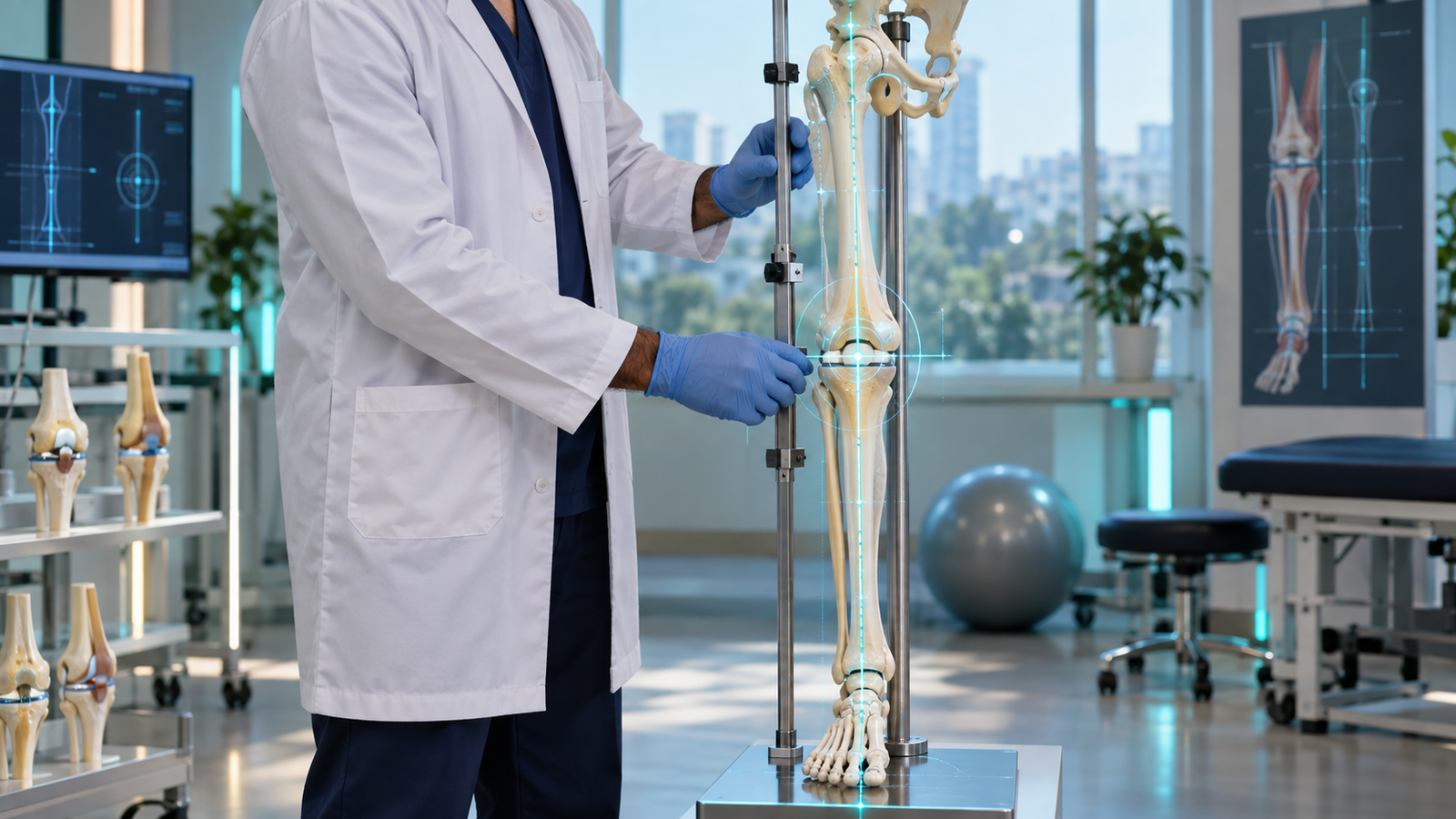
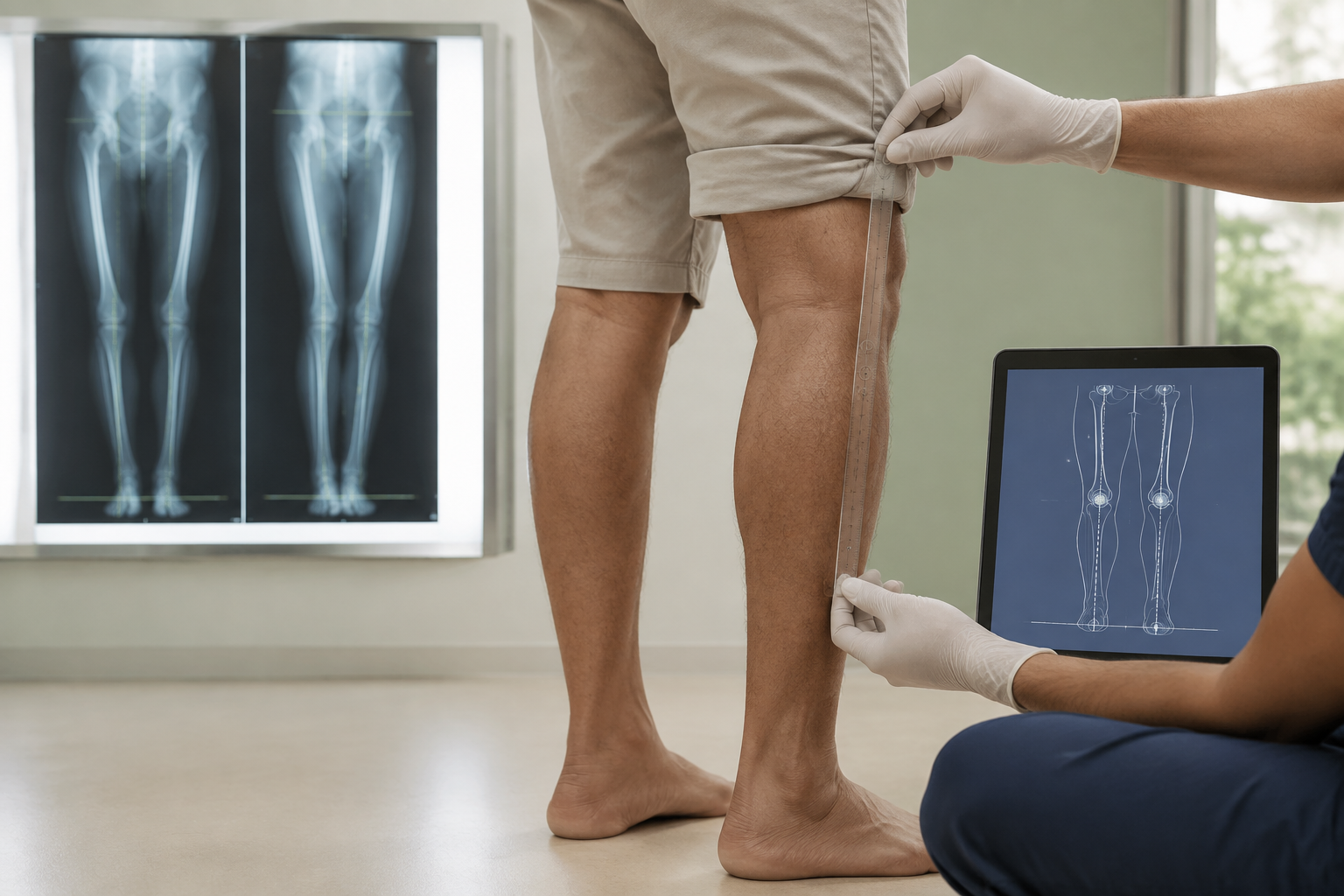
- Alignment analysis
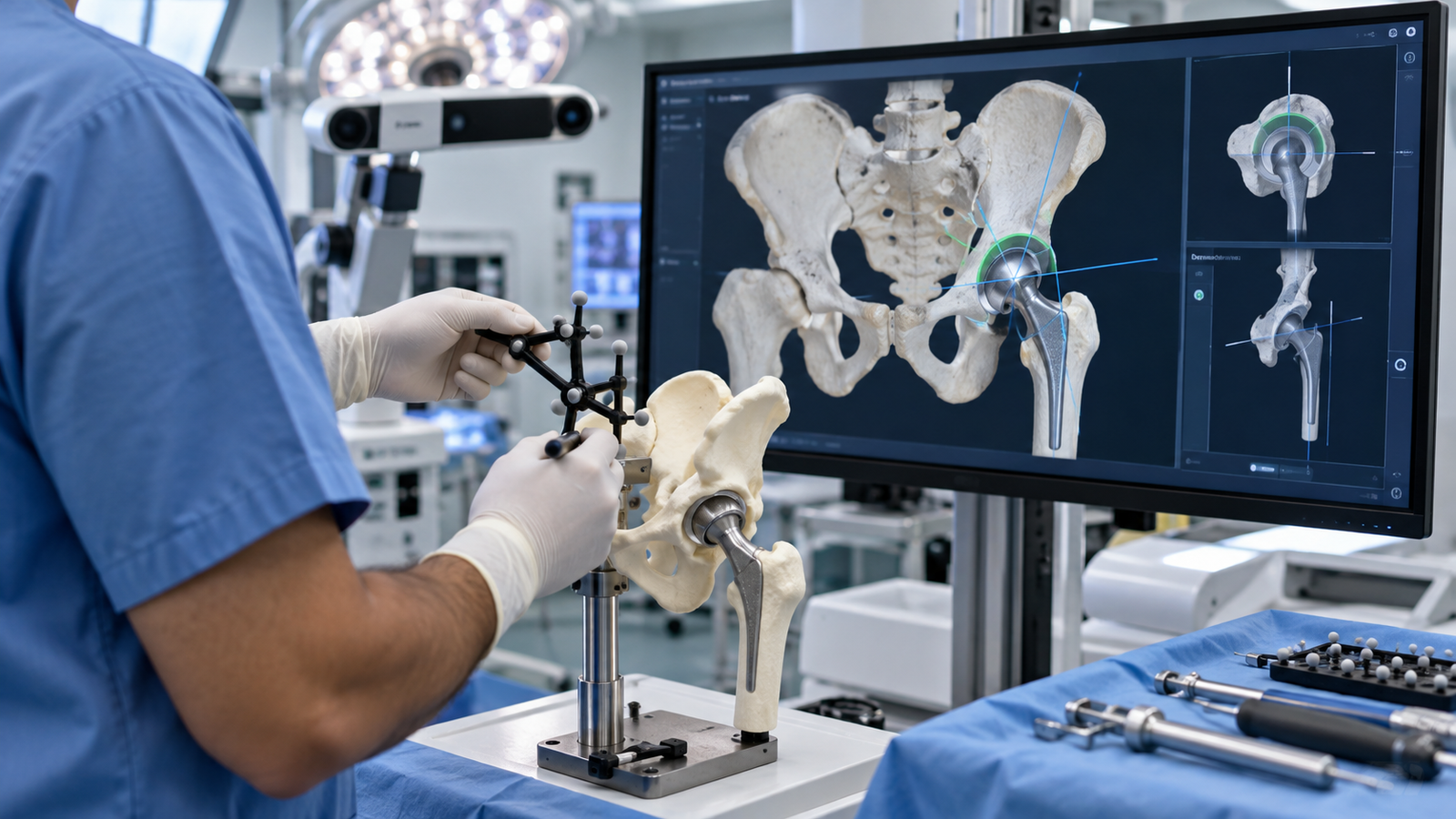
- Navigation-assisted procedures
- Robotic surgical planning
- Structured rehabilitation protocols
These advancements are helping orthopedic specialists assess joint damage more accurately and plan treatment more effectively in advanced arthritis cases.
Patients exploring osteoarthritis treatment in Kolkata are increasingly seeking specialists who combine clinical expertise with modern orthopedic planning techniques.
When Does Knee Replacement Become Necessary?
Not every osteoarthritis patient requires knee replacement surgery. However, surgery may become necessary when:
- Pain significantly affects daily life
- Walking becomes difficult
- Non-surgical treatment stops helping
- Sleep is disturbed due to knee pain
- Joint deformity progresses
- Mobility continues declining
Modern knee replacement surgery is becoming increasingly precise with advancements in surgical planning, robotic assistance, and implant alignment systems.
Patients seeking advanced arthritis care may also consult Dr. Manoj Kumar Khemani, who focuses on structured orthopedic treatment planning and modern joint replacement care in Kolkata.
Can Knee Replacement Cure Osteoarthritis Completely?
Knee replacement surgery does not cure osteoarthritis throughout the body. However, it may significantly reduce pain and improve movement in severely damaged knee joints when conservative treatment no longer provides relief.
Proper orthopedic evaluation remains essential before deciding whether surgery is the right option.
Why More Patients in Kolkata Are Choosing Early Orthopedic Consultation
Awareness around joint health is improving rapidly across Kolkata and West Bengal.
Today, more patients understand that delaying treatment may eventually affect:
- Mobility
- Work life
- Independence
- Daily routine
- Overall quality of life
Patients searching for the best orthopedic doctor in Kolkata are increasingly looking for specialists who:
- Explain treatment clearly
- Focus on long-term joint function
- Offer individualized care plans
- Combine rehabilitation with advanced orthopedic care
- Prioritize patient education
In my clinical experience, Dr. Manoj Kumar Khemani often sees patients who delay treatment until advanced arthritis significantly affects movement and independence.
Early consultation frequently helps patients understand treatment options before severe mobility restriction develops.
The Future of Osteoarthritis Care in 2026
Osteoarthritis treatment is evolving beyond temporary symptom management.
The future of orthopedic care is moving toward:
- Earlier diagnosis
- Structured rehabilitation
- Precision-focused planning
- Smarter surgical guidance
- Movement-focused recovery programs
For many people struggling with chronic knee pain, modern orthopedic care is now focused not only on reducing pain — but also on improving long-term movement, confidence, and quality of life.
Patients exploring modern solutions for chronic arthritis are increasingly seeking treatment approaches that support both mobility preservation and long-term independence.
Frequently Asked Questions
Can osteoarthritis knee pain improve without surgery?
Yes. Many patients with early or moderate osteoarthritis may benefit from physiotherapy, weight management, muscle strengthening, and structured rehabilitation without requiring surgery.
When should I consult an osteoarthritis knee doctor in Kolkata?
You should seek orthopedic evaluation if knee pain lasts several weeks, affects walking, causes stiffness, or interferes with daily activities like stair climbing or standing comfortably.
Is walking good for knee osteoarthritis?
Controlled walking and guided physical activity may help improve joint movement and muscle strength. However, exercise should always depend on the severity of arthritis and the patient’s overall condition.
Can knee replacement surgery permanently cure osteoarthritis?
Knee replacement surgery may significantly reduce pain and improve movement in advanced arthritis cases, but treatment decisions should always depend on detailed orthopedic evaluation and long-term joint assessment.
Final Thoughts
Living with chronic knee pain should never become a “normal” part of daily life.
Modern orthopedic care now offers more treatment options than ever before for patients dealing with osteoarthritis, stiffness, and reduced mobility. Whether through rehabilitation-focused care, lifestyle correction, or advanced surgical planning, early intervention may play a major role in preserving joint health and maintaining independence.
Many patients who once struggled with knee stiffness, painful walking, and reduced daily activity are now seeking earlier orthopedic care to stay active, independent, and more confident in everyday movement.