
Effective Uric Acid
Treatment in Kolkata
Expert Management for Gout & Uric Acid Arthritis by Dr. Manoj Kumar Khemani, Kolkata's Trusted Orthopaedic Specialist
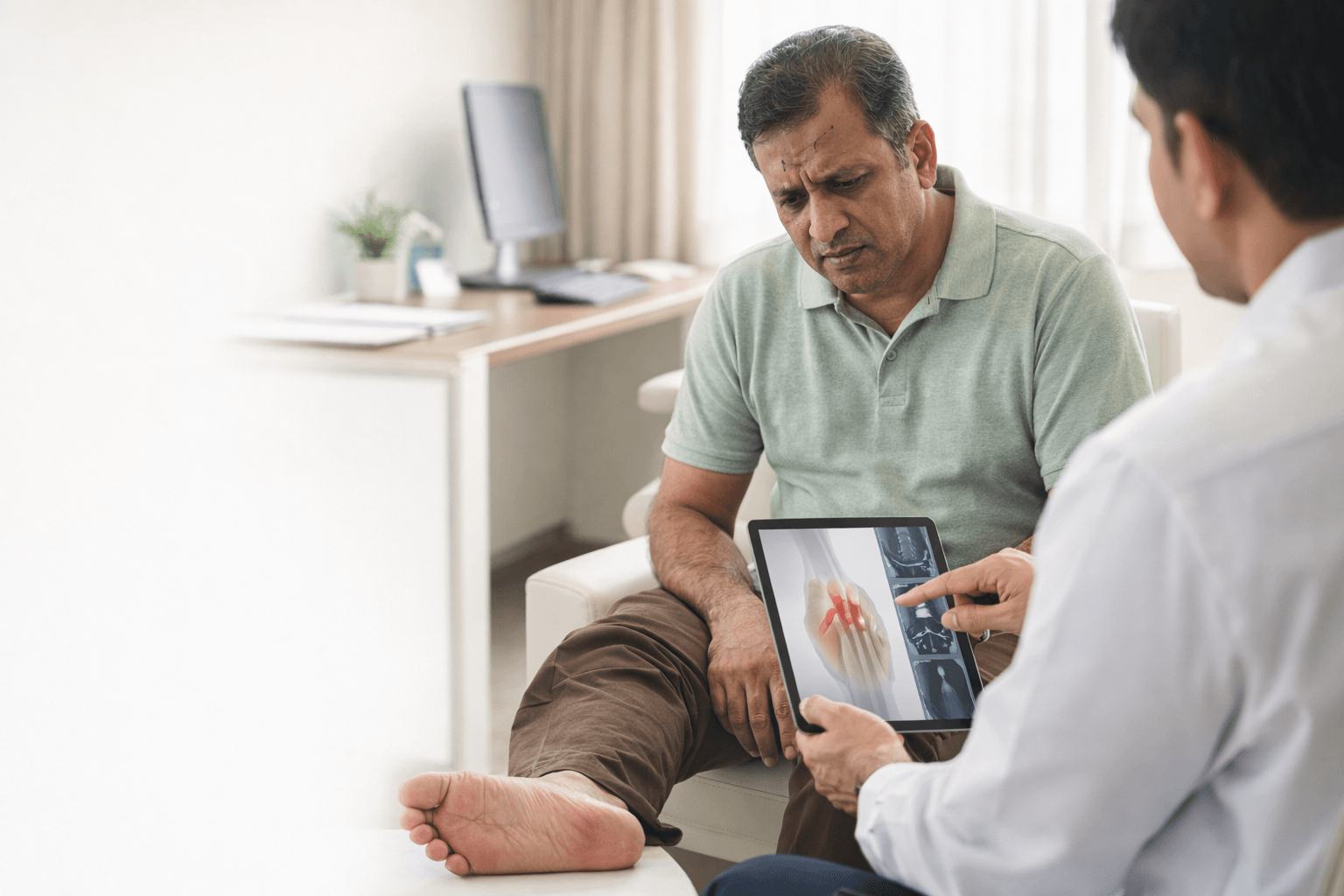
High uric acid levels can lead to sudden, excruciating joint pain, swelling, and long-term joint damage, and these symptoms may sometimes resemble conditions like chronic joint degeneration such as osteoarthritis. Dr. Manoj Kumar Khemani — a leading Orthopaedic Surgeon and specialist for Uric Acid in Kolkata — provide comprehensive care for gout and hyperuricemia. With advanced diagnostics and personalized treatment plans, he helps patients achieve lasting pain relief and maintain healthy uric acid levels through clinical expertise and lifestyle guidance.
Exp.
Patients
Care

What is Gout / Uric Acid Arthritis?
Gout is a painful form of arthritis caused by the accumulation of excess uric acid in the blood. While a small amount of uric acid is normal and usually remains dissolved, in people with gout, high levels cause the acid to form needle-shaped crystals within the joints. These crystals cause intense irritation, leading to the hallmark symptoms of sudden pain, redness, and swelling.
Uric acid is a natural byproduct formed in the liver and small intestine from proteins called purines. Normally, the kidneys excrete this acid, maintaining a healthy balance. When this balance is disrupted — either through overproduction or under-excretion — gout attacks occur, most commonly affecting the base of the great toe, knees, and ankles.
Gout management aims to:
Signs and Symptoms of Uric Acid Arthritis
Recognizing the early signs of a gout attack is crucial for timely intervention. Dr. Manoj Kumar Khemani, a specialist Gout doctor in Kolkata, advises consulting an orthopaedic surgeon immediately if you experience these symptoms to prevent permanent joint damage.
Severe Joint Pain
Sudden onset of intense pain, often described as excruciating or "hallmark of gout." It frequently strikes overnight and makes even the weight of a bedsheet unbearable.
Swelling & Redness
The affected joint becomes significantly swollen, tender, and warm to the touch. The skin often appears shiny and red or purple, resembling an infection.
Sudden Onset
Gout attacks usually occur rapidly, reaching maximum intensity within 12-24 hours. While pain may subside in 7-10 days, repeated attacks can become more frequent.
Limited Range of Motion
As the disease progresses and inflammation persists, you may not be able to move your joints normally. Chronic gout can lead to permanent joint stiffness.
Joints Involved
Commonly affects the base of the great toe, but also frequently involves the knees, ankles, mid-foot, wrists, and fingers.
Hyperuricemia
High levels of uric acid in the blood. While some people have high levels without symptoms, it is a primary risk factor for developing painful gout over time.
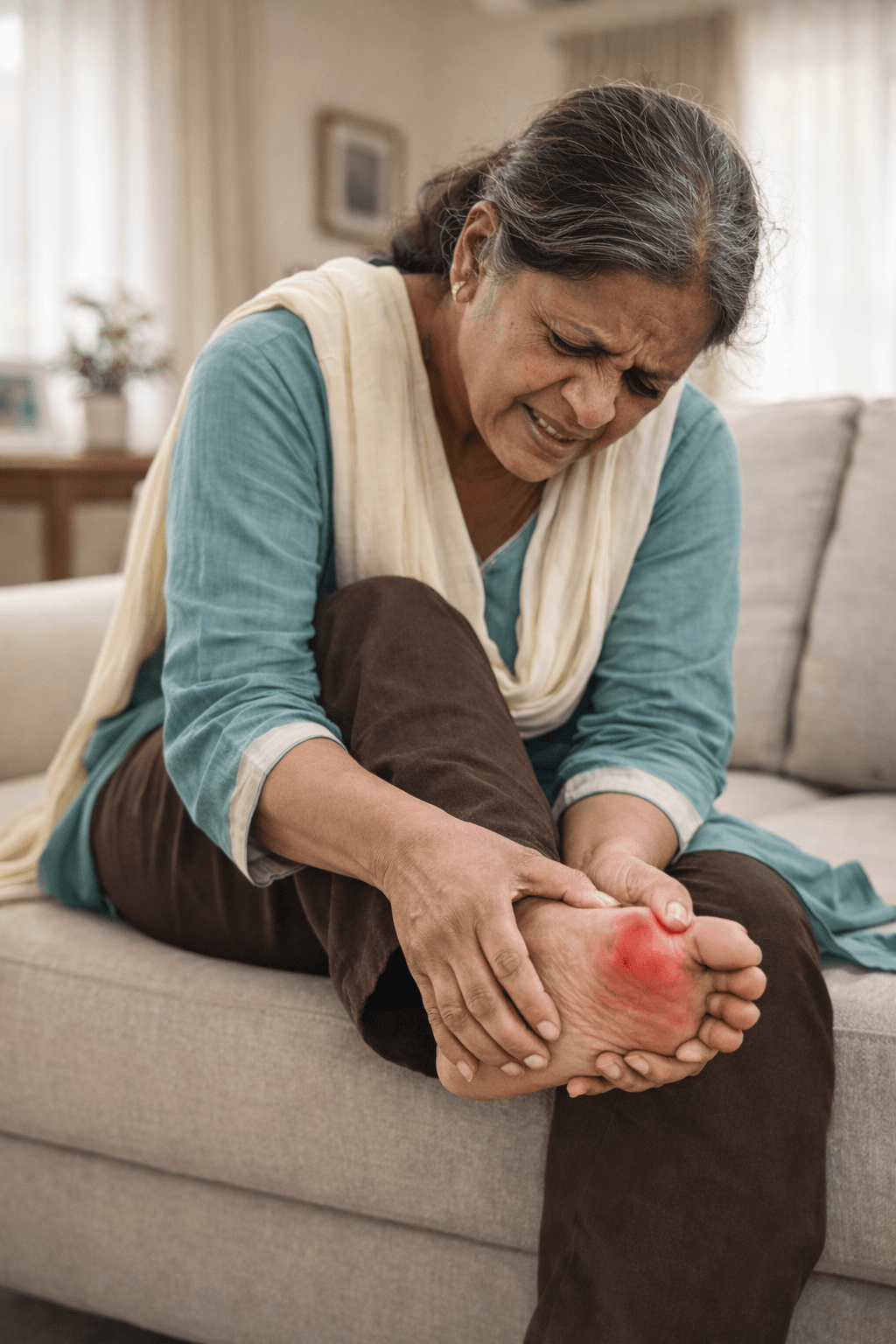
"If you notice sudden, severe pain in your big toe or other joints, do not delay. Proper diagnosis by a Gout specialist in Kolkata can differentiate between gout, pseudogout, and other forms of arthritis, ensuring you receive the correct treatment."
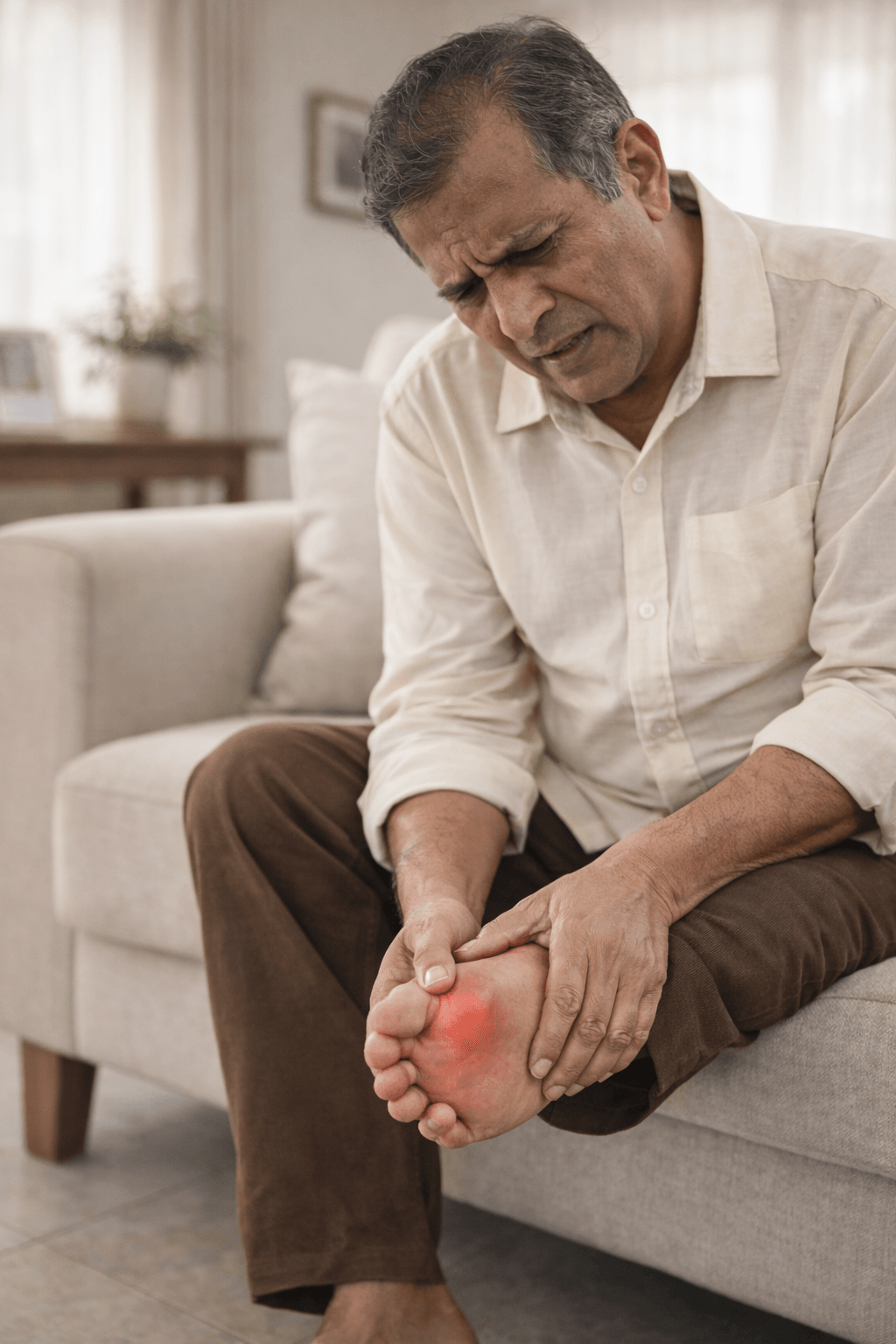
Accurate Diagnosis: The First Step to Gout Relief in Kolkata
A precise diagnosis is the foundation of successful gout management. Dr. Manoj Kumar Khemani utilizes a structured diagnostic approach to confirm hyperuricemia and prevent joint erosion.
Clinical Presentation
The diagnosis begins with a thorough evaluation of your symptoms, specifically identifying the hallmark signs like sudden, intense pain and swelling in specific joints.
Blood Uric Acid Test
Testing for high levels of uric acid (hyperuricemia) in the blood. Note that levels can sometimes appear normal during an active attack as crystals have already formed.
Polarized Microscopy
The most definitive test. Joint fluid is extracted and examined under a microscope to confirm the presence of needle-shaped uric acid crystals.
Comprehensive Uric Acid Management & Treatment
Managing gout requires a two-pronged approach: immediate relief for acute attacks and long-term prevention through medical and lifestyle changes. Dr. Manoj Kumar Khemani provides integrated care for sustainable joint health.
Joint Rest & Elevation
Keeping the affected joint rested and elevated helps reduce swelling and alleviate the intense pressure of a gout attack.
Hydration Therapy
Drinking plenty of water helps the kidneys flush out excess uric acid from your system more effectively during an attack.
NSAIDs & Pain Relief
Non-steroidal anti-inflammatory drugs are used to rapidly reduce pain and inflammation during the acute phase of gout.
Cold or Warm Compresses
Applying compresses to the affected area can provide soothing relief from the heat and burning sensation of the inflamed joint.
What Triggers Gout Attacks?
Understanding your personal triggers is the first step toward prevention. Dr. Manoj Kumar Khemani identifies key lifestyle and genetic factors that contribute to elevated uric acid levels.
Regular consumption of foods rich in purines, such as red meat, organ meats, and seafood, significantly increases uric acid production in the liver.
Alcohol, especially beer, and beverages sweetened with high-fructose corn syrup interfere with the kidneys' ability to excrete uric acid.
Conditions like obesity, high blood pressure, and dehydration can trigger attacks. Family history also plays a significant role in how your body processes uric acid.
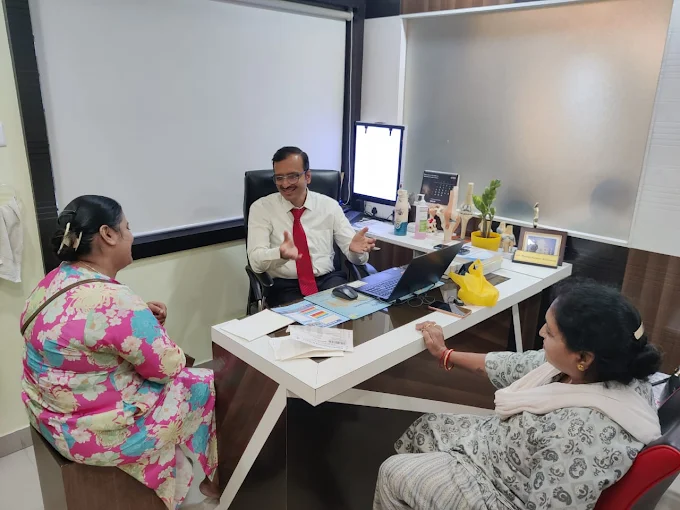
Patient-Centric Prevention
Identifying and managing your specific triggers is essential to stopping gout before it starts.
What to Avoid for Gout Control
Managing uric acid starts in the kitchen. Following these expert dietary guidelines can drastically reduce the frequency and severity of gout attacks.
Uric Acid is Derived from Purines in Food
Litres of Water Daily Helps Flushing
Risk Reduction through Diet Control
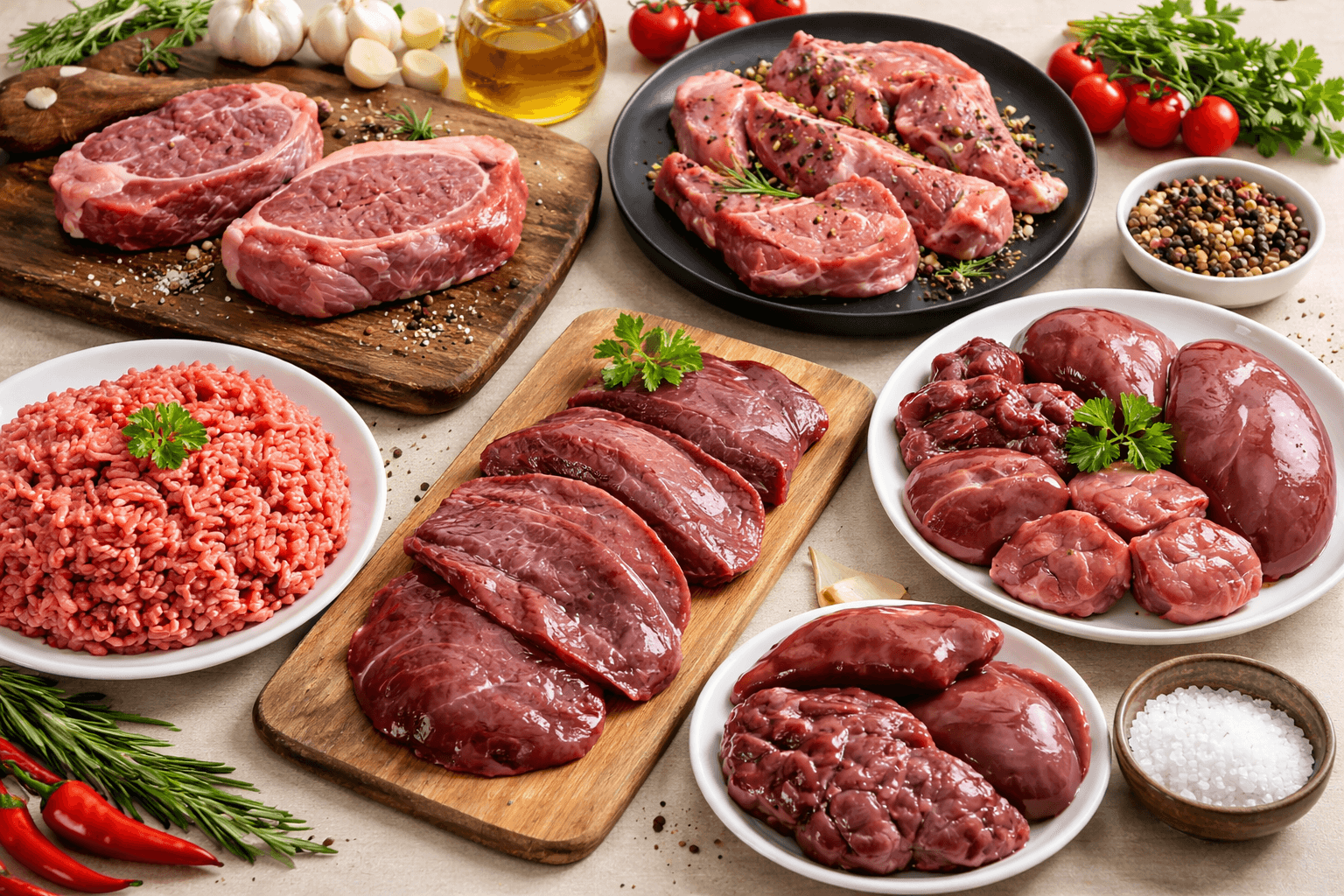
Avoid Red & Organ Meats
Red meat, liver, and kidneys are extremely high in purines. Switching to leaner protein sources can significantly reduce uric acid production.
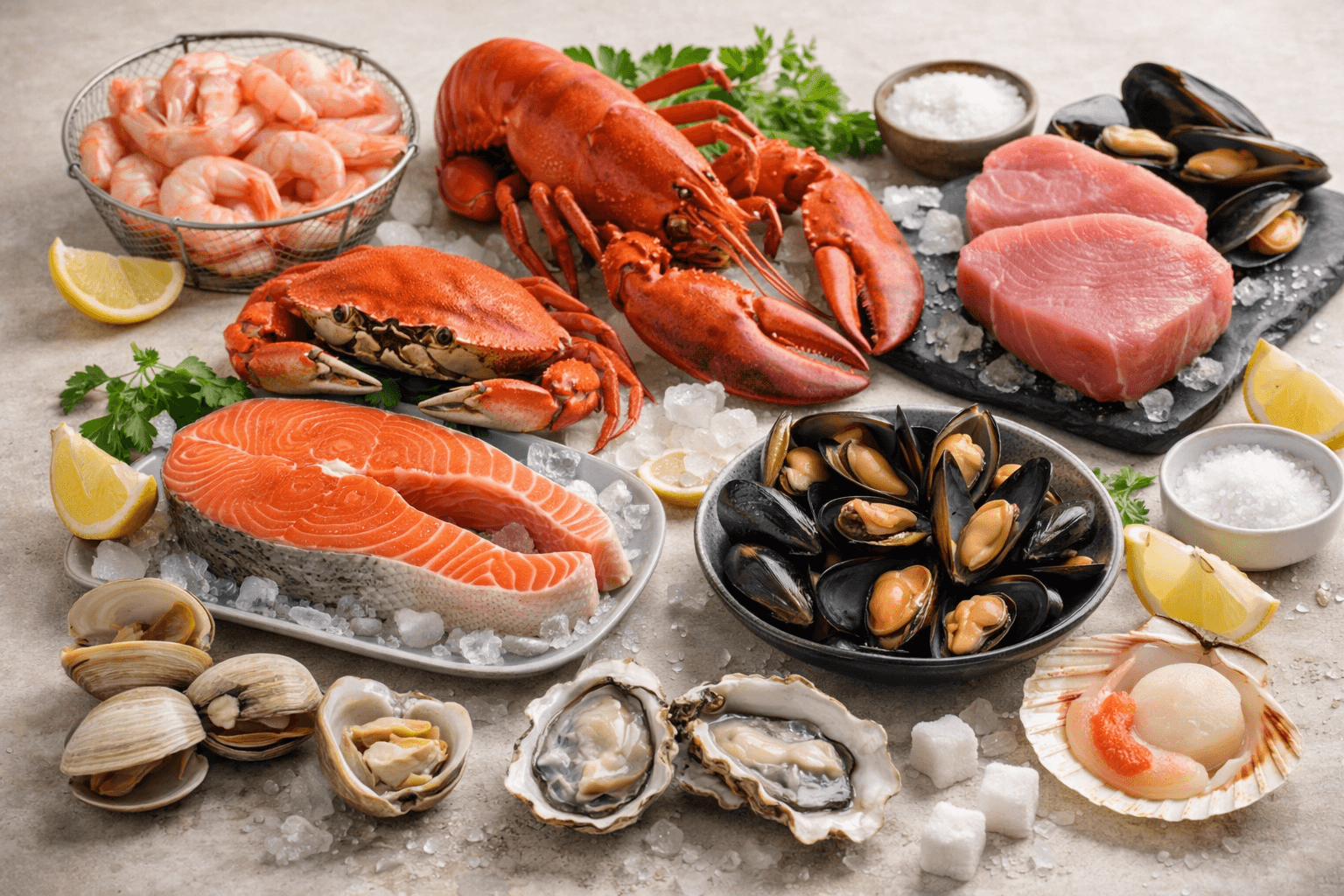
Limit Seafood & Shellfish
Certain fish and shellfish like sardines, anchovies, and shrimp are high-purine triggers that should be strictly avoided during attacks.
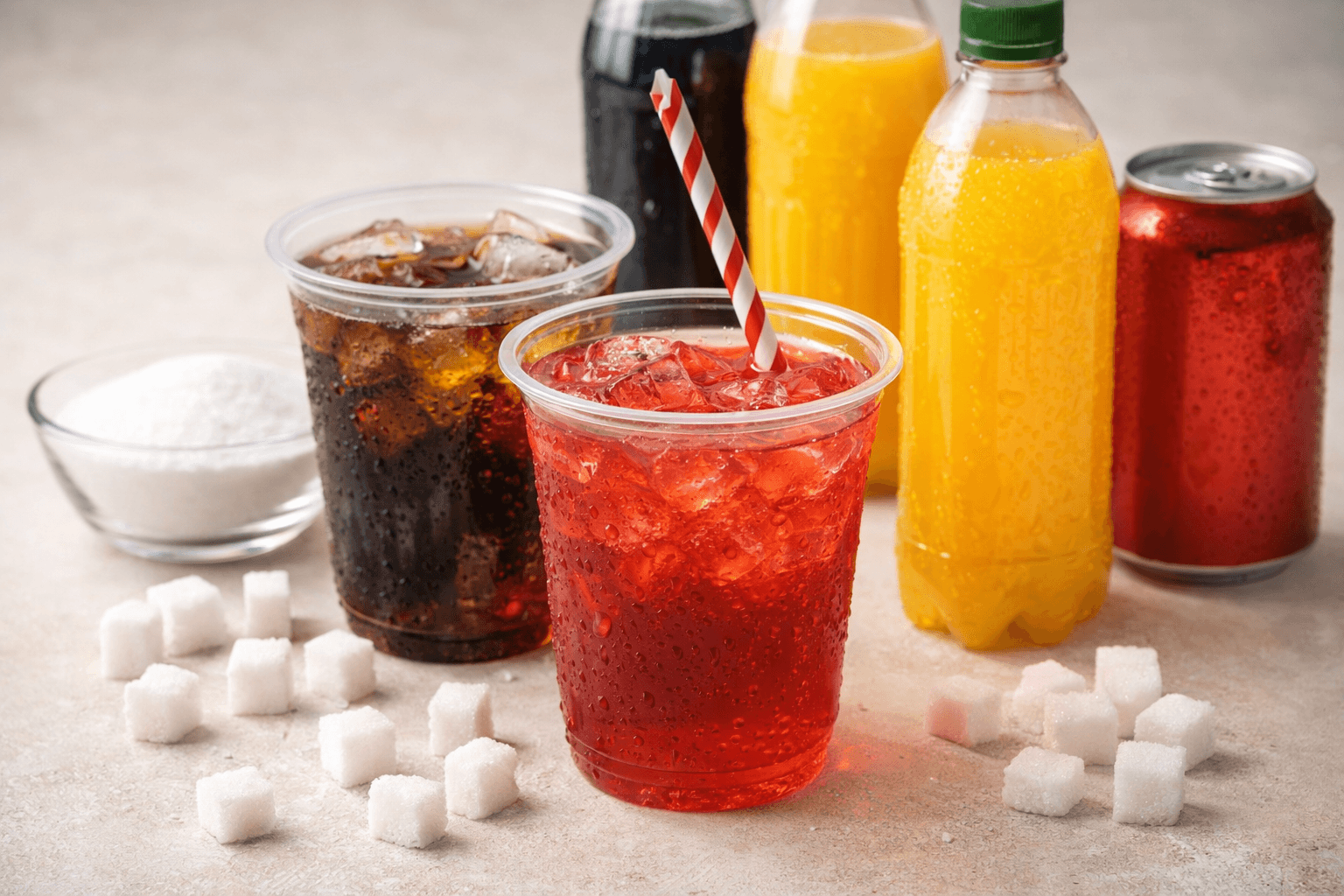
Cut Out Sugary Drinks
High-fructose corn syrup in sodas and juices raises uric acid levels. Opt for water, herbal teas, or fresh lime juice without sugar.

Moderate Alcohol Intake
Alcohol, particularly beer, hinders uric acid excretion by the kidneys. Minimizing alcohol is critical for long-term gout management.
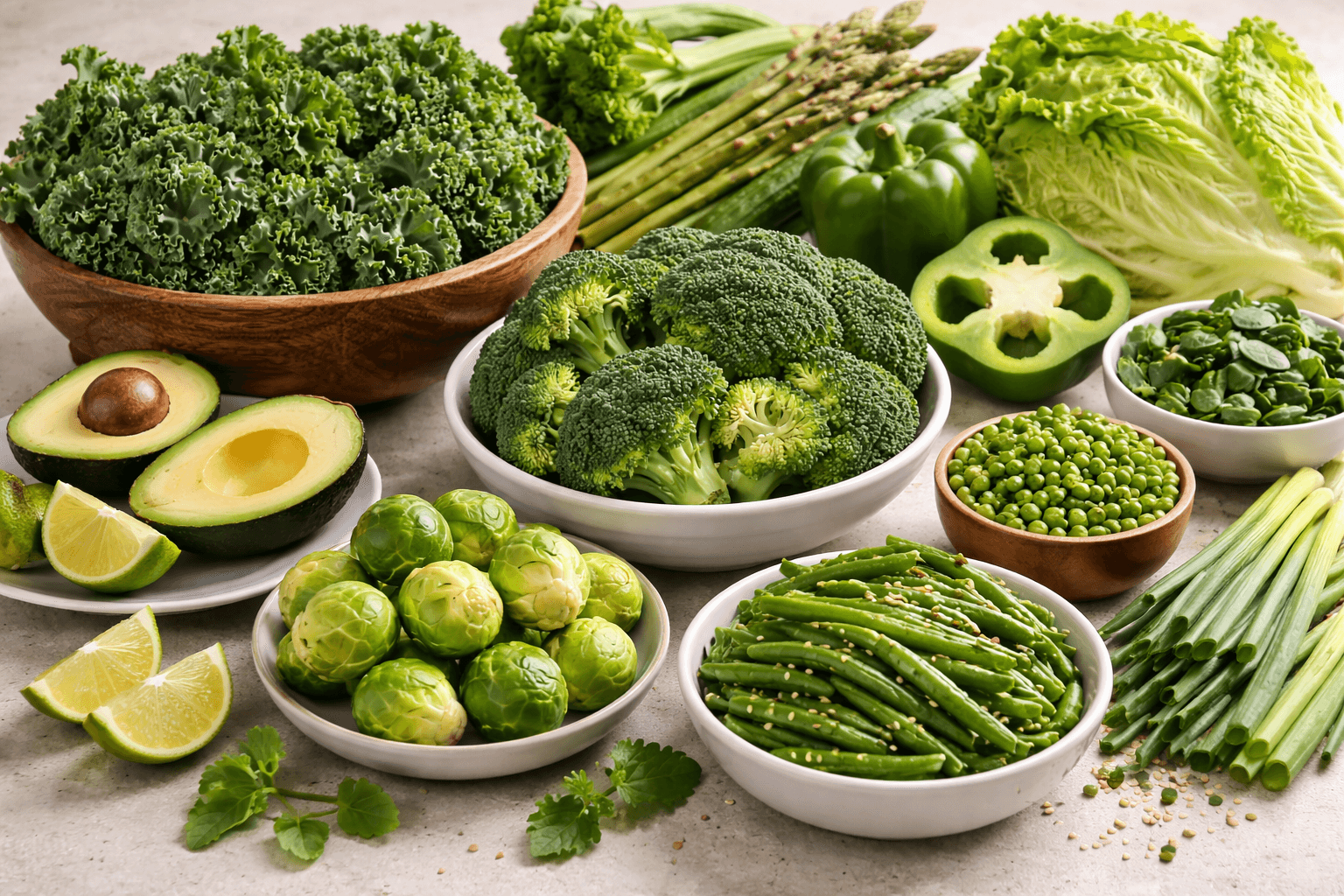
Eat Green Vegetables
Most vegetables are safe and beneficial. Leafy greens provided essential nutrients without raising uric acid levels. Focus on a plant-heavy diet.
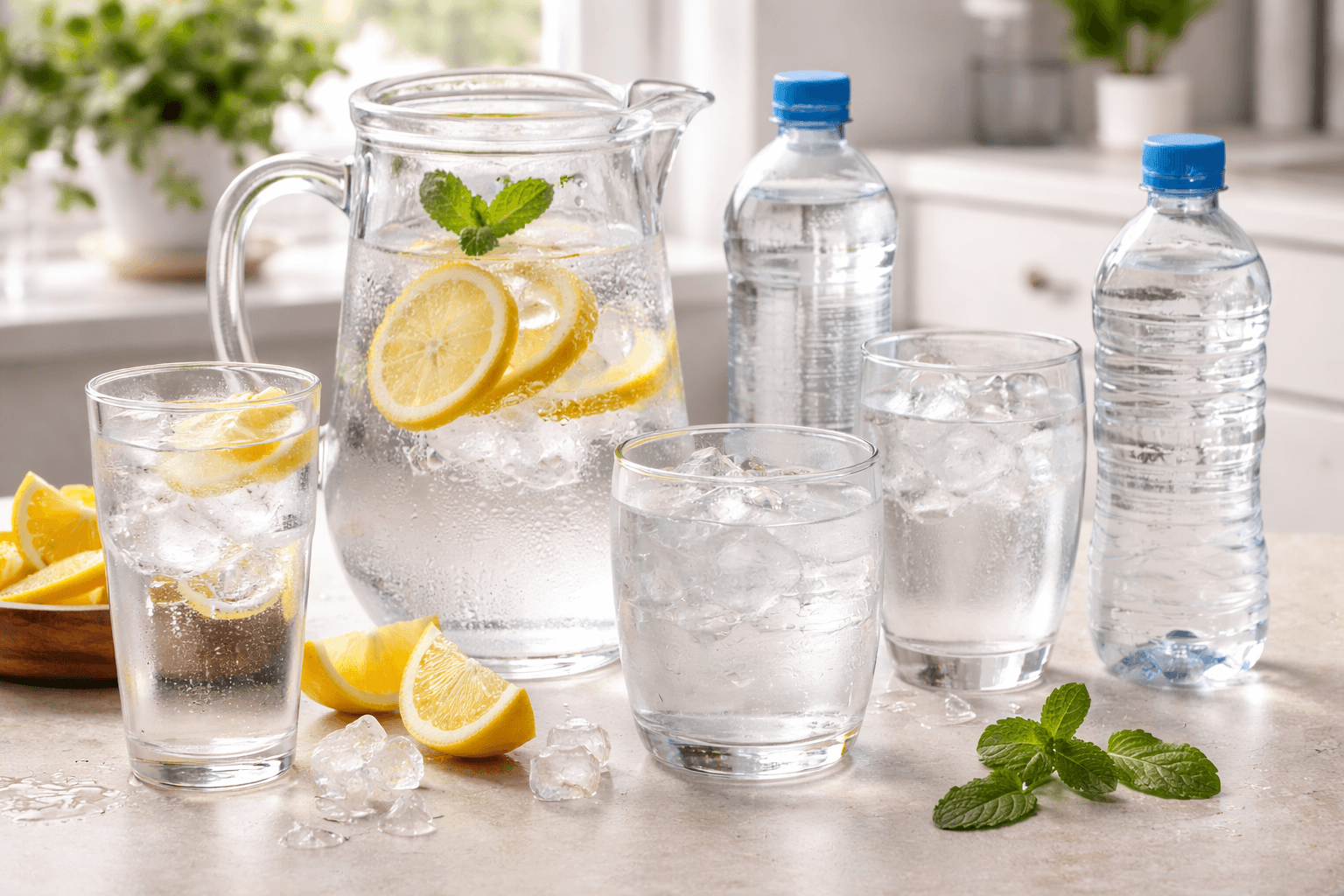
Stay Well Hydrated
Water is your best ally. Maintaining high hydration levels dilutes uric acid and facilitates its removal through the urinary system.
Advanced Clinical Expertise in Definitive Gout Management
Combining specialized metabolical knowledge with orthopaedic precision, Dr. Manoj Kumar Khemani — Kolkata's leading orthopaedic specialist — provides definitive uric acid management plans.
Specialized Expertise
Advanced management of metabolic bone diseases and gout.
Rapid Pain Relief
Proven protocols to stop acute gout attacks quickly.
Preventative Care
Long-term strategies to maintain healthy uric acid levels.
Patient-First Focus
Personalized dietary and medical plans for every patient.
Comprehensive Testing
In-depth diagnostics to rule out mimicking conditions.
Evidence-Based Results
Clinical mastery backed by 24+ years of orthopaedic excellence.
Don't Let Uric Acid
Control Your Mobility

Unique Approach To Your
Health Needs
"I am so much benefitted with Dr Manoj kumar’s heel pain treatment, that i am perfectly fine now. He has so much knowledge that for everything my family takes his reference. He is so pleasant to talk to and always ready to answer your doubts."






Common Questions
Find answers to common questions about uric acid, gout, and metabolic bone health from Dr. Manoj Kumar Khemani.
While there is no permanent cure, gout is highly manageable. With the right combination of medication to lower uric acid levels and lifestyle modifications, most patients can live a life free of painful gout attacks and prevent permanent joint damage.
An acute gout attack typically reaches its peak within 12-24 hours. With proper medication (NSAIDs or colchicine) and rest, the pain usually subsides within 7-10 days. Prompt treatment by an orthopaedic specialist can speed up this process.
This is common. During an attack, serum uric acid levels can drop because the acid has already crystallized into the joint. It may also be "pseudo-gout" (calcium crystal deposition) or another form of arthritis. A specialist diagnosis is essential.
You should strictly avoid red meat, organ meats (liver, kidneys), seafood (sardines, shellfish), alcohol (especially beer), and high-fructose corn syrup found in sugary sodas and juices.
Yes. Untreated hyperuricemia can lead to chronic gouty arthritis, permanent joint deformities, tophi (chalky deposits under the skin), and kidney stones. Managing levels early is key to overall health.
Begin Your Path to Pain-Free Living
59, Bangur Avenue, Block-A, Near Shyam Mandir (Opp. ICICI Bank), Kolkata- 700055

Manipal (AMRI) Hospital, Broadway
JC-16 & 17, No. 3A, Broadway Rd, opp. to Stadium Gate, Sector 3, Bidhannagar, Kolkata, West Bengal 700106
Manipal (AMRI) Hospital, Mukundapur
5230 Barakhola Lane, behind Metro Cash n Carry, Purba Jadavpur, Mukundapur, Kolkata-700099

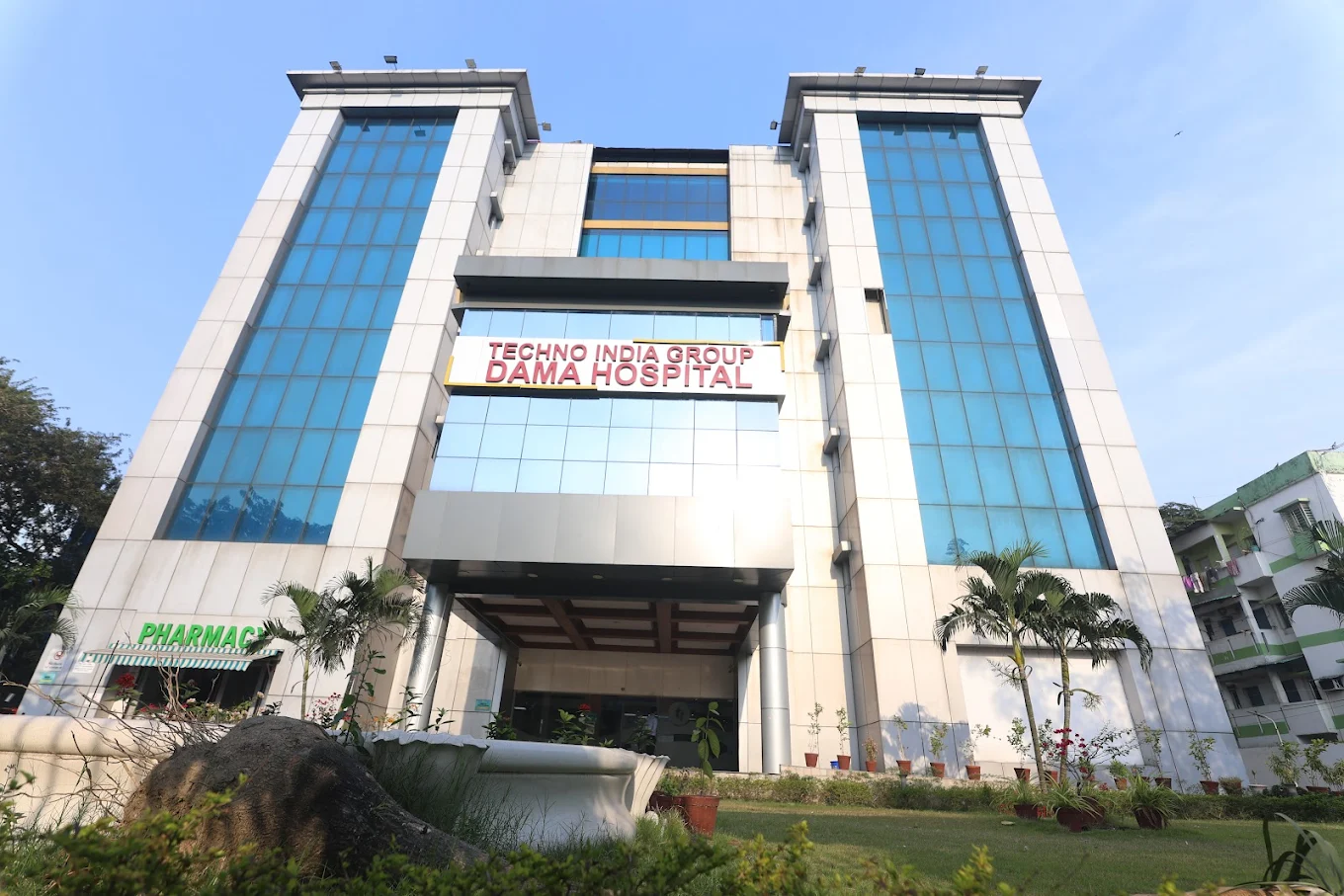
Techno India DAMA Healthcare & Medical Centre
LB 10, Eastern Metropolitan Bypass, Chingrighata, LB Block, Sector 3, Bidhannagar, Kolkata, West Bengal 700106
 Hospital, Salt Lake.webp)
 Hospital, Mukundapur.webp)
Kolkata
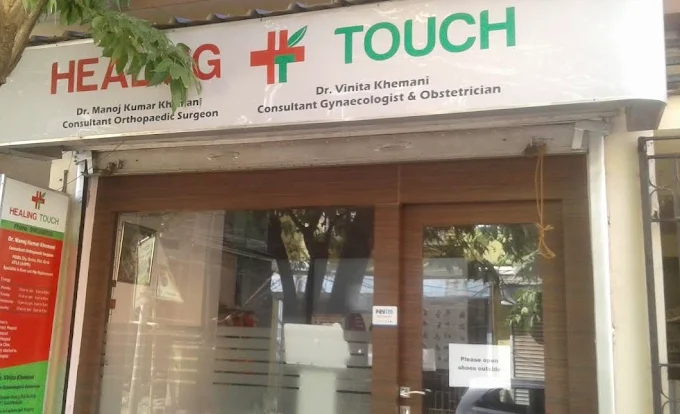
Healing Touch Clinic
State-of-the-art facilities equipped with modern medical technology for the best treatment outcomes.
Schedule a Consultation Today with Dr. Khemani
Book Your Consultation
Fill in your details below