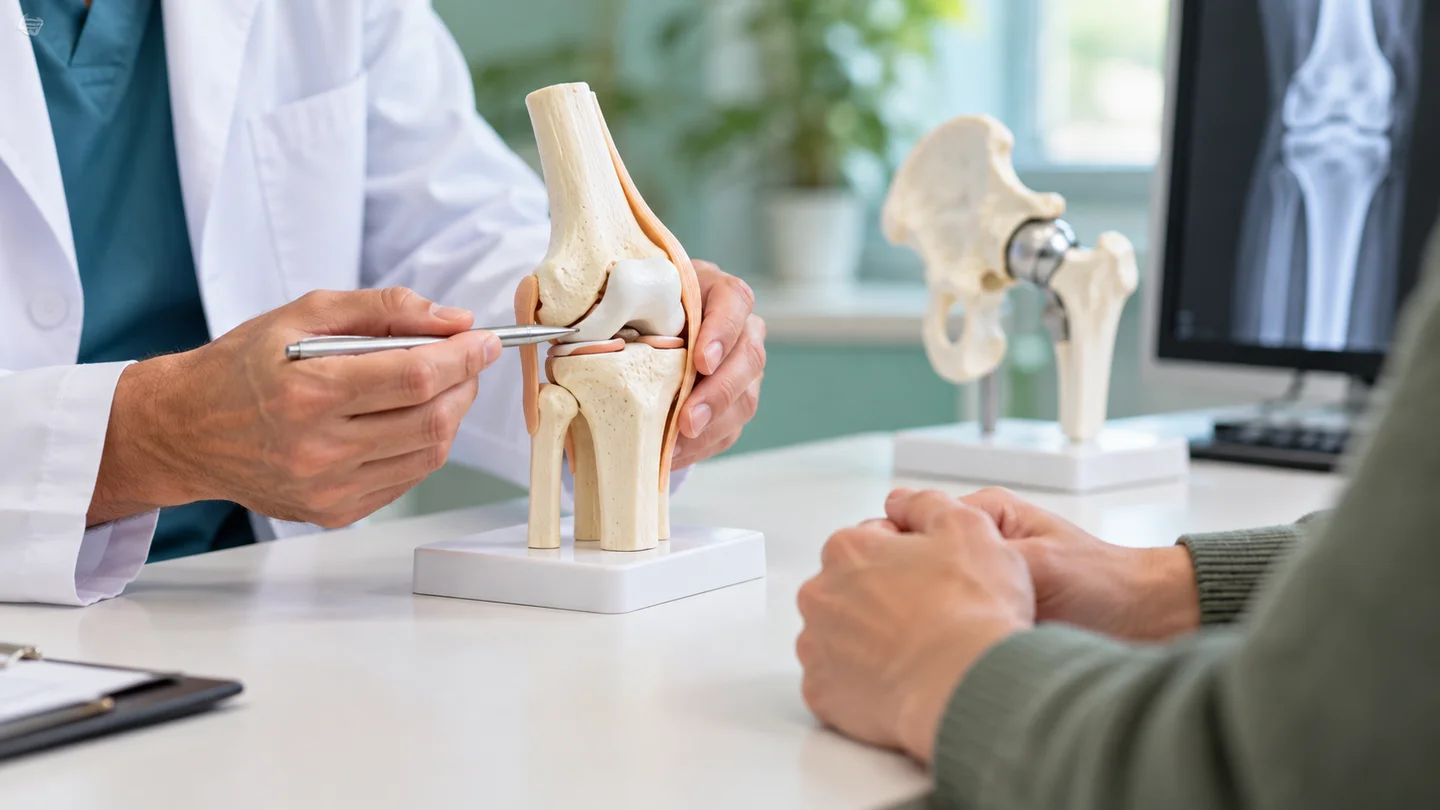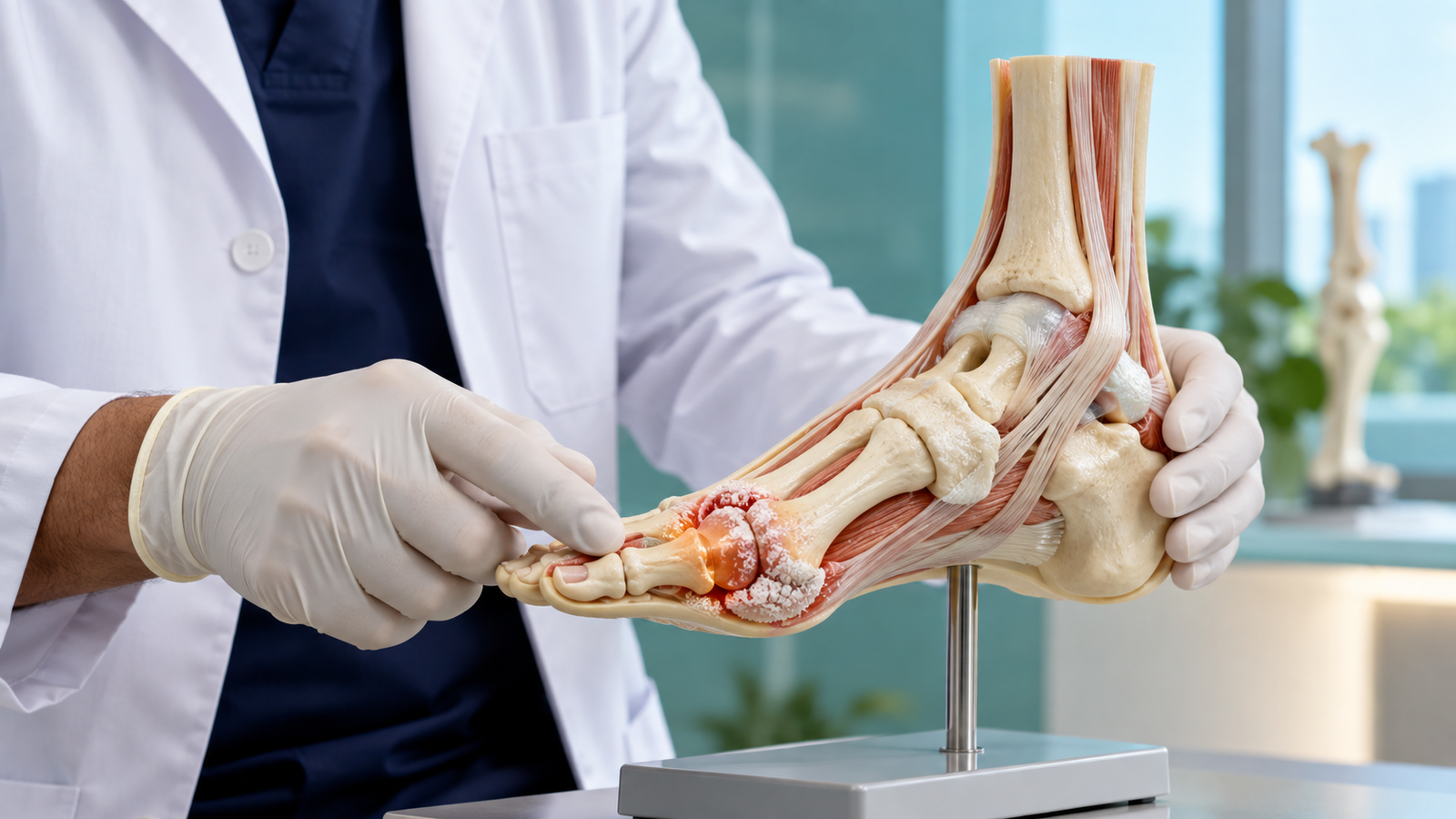
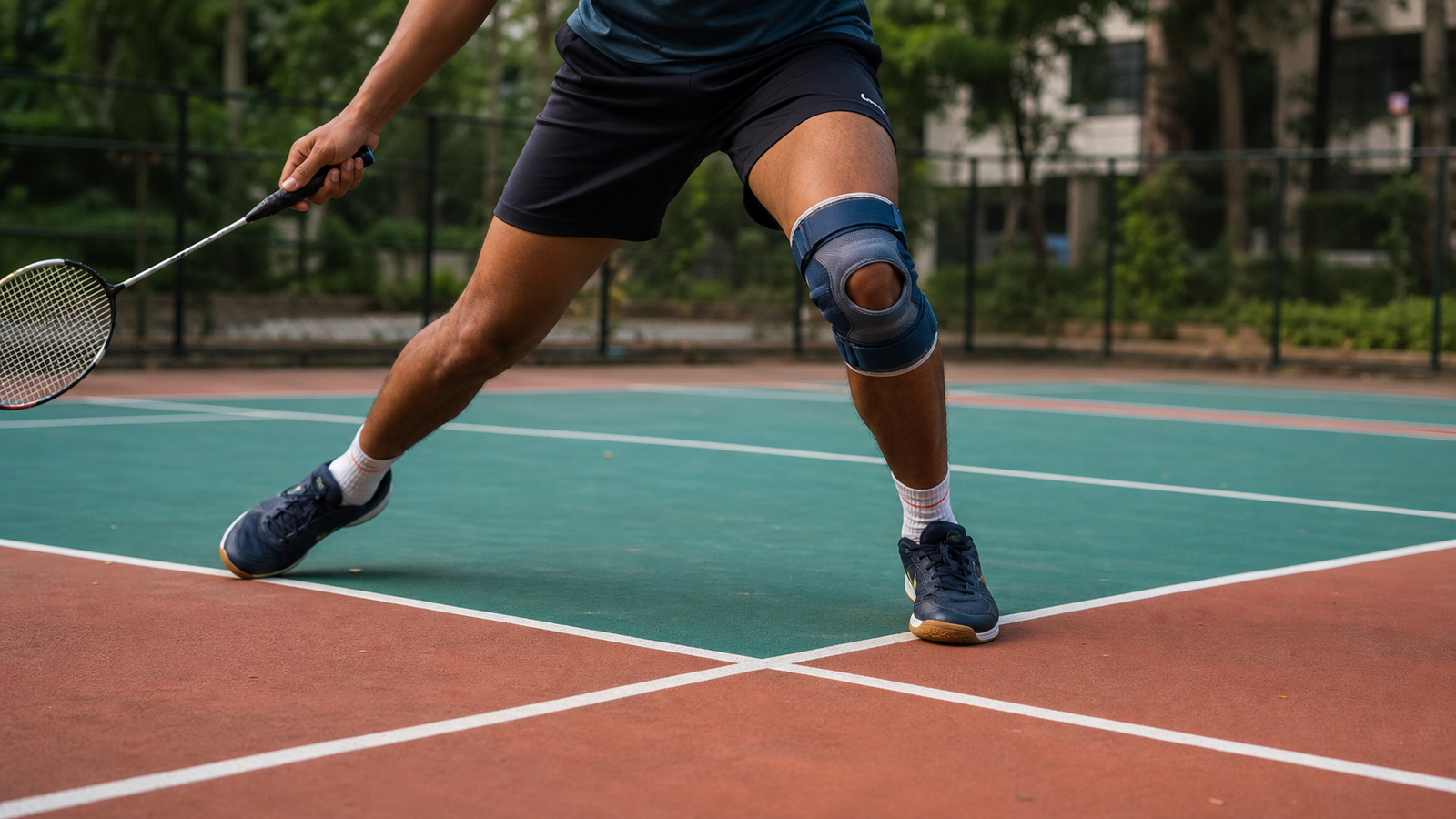
Sudden knee buckling, locking, swelling, or instability after a twist, fall, awkward landing, or sports injury should not be dismissed as a simple sprain. A knee that gives way during walking, catches while bending, or swells soon after injury may be showing signs of ACL damage, meniscus tear, or another internal knee problem.
Ligament injury treatment in Kolkata becomes relevant when the knee feels unsafe, repeatedly slips during movement, locks while bending, or does not feel dependable on stairs or uneven ground. For patients dealing with knee buckling, locking, swelling, or repeated giving-way after a twist or sports injury, a structured evaluation for knee buckling, locking and ligament injury can help identify whether the problem is an ACL tear, meniscus injury, or another ligament-related issue.
When knee pain becomes knee instability
Knee buckling becomes concerning when the knee does not just hurt but feels unreliable during normal movement. Locking becomes concerning when the knee catches, jams, or cannot straighten smoothly after a twist, fall, or sports injury. These symptoms may point toward ligament instability, meniscus injury, cartilage irritation, or another internal knee problem that needs proper assessment.
A quick warning-sign guide:
| Symptom | What it may suggest |
|---|---|
| Knee gives way while walking or turning | ACL injury or ligament instability |
| Knee locks or does not straighten smoothly | Possible meniscus tear or mechanical block |
| Swelling within a few hours | Internal knee injury may be present |
| Pain after pivoting, landing, or sudden direction change | Sports-related ligament or cartilage injury |
| Clicking with pain | Meniscus irritation or joint catching |
| Repeated instability | Untreated ligament damage or incomplete recovery |
A painful knee and an unstable knee are not the same. Pain may reduce with rest, ice, or medicine, but instability can remain if the supporting structures inside the knee are injured.
The real concern: “My knee did not just hurt — it gave way”
Many patients remember the injury clearly.
They twist during football. Land badly during badminton. Step awkwardly on stairs. Slip during monsoon. Turn quickly while the foot stays planted. The knee shifts. Sometimes there is a pop. Sometimes swelling appears within a few hours. Walking may still be possible, but the knee no longer feels trustworthy.
That last detail matters.
A weak knee may feel tired after activity. An unstable knee feels unsafe during normal movement. Patients often describe it as “slipping,” “giving way,” “getting stuck,” “buckling,” or “not obeying” during turning, stairs, squatting, or uneven-ground walking.
This kind of injury story should be assessed carefully because buckling and locking can point toward a structural problem inside the knee. Rest may reduce pain, but it may not correct instability.
Why your knee may suddenly give way
The knee may suddenly give way when one of its stabilizing structures is injured or unable to control movement properly.
The ACL helps control forward movement and rotation of the knee. When it is torn, the knee may feel loose during pivoting, running, stair movement, or sudden direction change. Other ligaments can also cause instability, especially after side impact, twisting, overstretching, or a fall.
The American Academy of Orthopaedic Surgeons explains that some knee injuries, including ACL tears, can cause instability or the feeling that the knee is giving way. It also notes that pain and swelling are common signs after knee injury: AAOS — Common Knee Injuries.
The key point is simple: if knee giving way while walking or turning happens repeatedly after an injury, do not treat it as ordinary weakness unless a structural problem has been ruled out.
ACL tear symptoms patients should not ignore
ACL tear symptoms often appear after a pivot, sudden stop, awkward landing, or direction change. Some patients feel or hear a pop. Swelling may appear early. The knee may feel unstable even if straight-line walking becomes possible after a few days.
Common symptoms may include:
- a pop or shifting sensation at the time of injury
- swelling within a few hours
- difficulty trusting the knee while turning
- fear while climbing down stairs
- repeated giving-way
- pain after trying to return to sport
- reduced confidence during running or pivoting
The tricky part is that pain can improve before stability returns. This is why patients should not judge recovery only by whether walking feels easier.
A patient may be able to walk to the market but still be unsafe during football, gym training, badminton, cycling dismounts, or sudden turns. That difference matters during treatment planning.
Why your knee may lock or catch after an injury
Knee locking usually means the joint is not moving smoothly.
Some patients have true locking, where the knee gets stuck and cannot straighten fully. Others feel catching, where the knee clicks, jams, or briefly blocks during bending, squatting, turning, or climbing stairs.
A meniscus tear is one common reason for this pattern. The meniscus works like a shock absorber inside the knee. When it tears, part of the tissue can irritate the joint or interfere with smooth movement.
Mayo Clinic explains that a torn meniscus can cause catching or locking when torn tissue interferes with knee movement, and it may also create a feeling of instability or slipping: Mayo Clinic — Meniscus Tears and Repairs.
Knee locking treatment in Kolkata should start with diagnosis. The doctor needs to understand whether the knee is truly locked, catching because of a meniscus injury, stiff due to swelling, or unstable because of ligament damage. Forcing the knee straight repeatedly is not a good plan if locking is painful or recurring.
ACL tear, meniscus tear, or ligament sprain: how symptoms differ
Symptoms can overlap, but the pattern gives useful clues.
| Feature | ACL Tear | Meniscus Tear | Ligament Sprain |
|---|---|---|---|
| Common injury pattern | Pivot, sudden stop, awkward landing | Twisting while knee is bent or loaded | Side impact, twist, overstretch |
| Main feeling | Knee gives way or feels unstable | Knee catches, clicks, or locks | Pain around the injured ligament |
| Swelling | Often early and noticeable | May develop slowly or after activity | Depends on severity |
| Walking | May be possible but uncertain | Possible, but bending may hurt | Painful depending on grade |
| Main concern | Instability during turning or sport | Mechanical catching or joint irritation | Incomplete healing or repeated strain |
| Evaluation focus | Stability tests, MRI if needed | Joint-line pain, locking, MRI if needed | Tenderness, swelling, stability |
This table cannot confirm the injury. It only explains why buckling, locking, swelling, and painful clicking should not be dismissed as routine knee pain.
ACL injury or meniscus tear: what patients usually feel
An ACL injury mainly affects stability. A meniscus injury often affects smooth movement, bending comfort, and load sharing.
That is the easiest way to separate them.
An ACL tear often follows a pivoting injury. The patient may feel a pop, swelling, and a sense that the knee is unsafe during turning, running, or sport.
A meniscus injury may feel more like catching, clicking, locking, or pain with deep bending. Some patients walk reasonably well on flat ground but struggle while squatting, sitting cross-legged, climbing stairs, or turning in bed.
These injuries can happen together. That is why guessing from symptoms alone is risky. A doctor may need to check stability, swelling pattern, joint-line tenderness, range of motion, and imaging before advising treatment.
When knee locking or buckling should not be ignored
Knee locking or buckling should not be ignored when it follows a twist, fall, sports injury, or sudden pivot.
Patients should seek orthopedic review when:
- the knee gives way more than once
- swelling appears within a few hours
- the knee gets stuck or cannot straighten fully
- walking feels unsafe
- pain returns during turning, stairs, or sport
- clicking is painful or repeated
- rest improves pain but not stability
- the knee feels unreliable on uneven ground
Many patients make the same mistake. They judge recovery only by pain. Pain can settle while instability remains. Swelling can reduce while the knee is still not ready for sport.
A better question is: “Can I trust this knee when I turn, climb stairs, or walk on uneven ground?”
When patients search for an ACL injury doctor in Kolkata
Patients searching for an ACL injury doctor in Kolkata usually need more than a report reading. They need a consultation that studies the injury story, swelling timeline, stability signs, walking confidence, activity level, and return-to-sport goals.
The first visit should not begin with fear of surgery. It should begin with diagnosis.
Did the knee buckle because of ACL instability? Is locking coming from a meniscus tear? Is the swelling due to internal injury? Is the ligament sprain mild, partial, or severe?
A sports medicine doctor in Kolkata or orthopedic ligament specialist may examine the knee, assess movement, check instability, review whether X-ray or MRI is needed, and guide bracing, physiotherapy, activity restriction, or further treatment.
Patients searching for knee instability treatment in Kolkata should look for a diagnosis-first approach, not only painkillers or temporary rest advice.
Which doctor should you see for knee buckling or locking in Kolkata?
A ligament specialist doctor in Kolkata is usually an orthopedic doctor who evaluates ACL tears, meniscus injuries, ligament sprains, knee instability, and sports-related knee trauma.
At Heal My Bones, patients with buckling or locking are assessed based on injury history, swelling pattern, walking confidence, knee movement, stability signs, imaging when required, and activity goals. Dr. Manoj Kumar Khemani’s relevance fits this decision stage because the patient needs clarity before choosing rest, bracing, physiotherapy, sports restriction, or surgical discussion.
The right consultation should make the next step easier to understand. It should not make the patient feel rushed.
What to tell the doctor during your knee injury visit
A useful knee consultation starts with details.
Before the appointment, note:
- how the injury happened
- whether there was a pop
- how soon swelling appeared
- whether the knee gives way
- whether the knee locks or catches
- whether stairs, turning, squatting, or uneven ground trigger symptoms
- whether walking is painful or just uncertain
- whether clicking is painful
- whether you returned to sport too early
- whether this is a repeat knee injury
- what medicines, braces, or exercises were already tried
Carry previous X-rays, MRI reports, prescriptions, and physiotherapy notes if available. A good history can change the treatment plan.
What patients should avoid after knee buckling or locking
Patients should avoid returning to sports just because pain has reduced.
Common mistakes include:
- playing again before the knee feels stable
- ignoring swelling after activity
- forcing deep bending when the knee locks
- using only painkillers without evaluation
- delaying assessment after repeated giving-way
- skipping rehabilitation after the first painful phase
- assuming walking means the knee is normal
The knee needs control, not just comfort. If it cannot handle turning, stairs, uneven ground, or sport, the injury deserves proper attention.
FAQs
Why does my knee suddenly buckle when I walk or turn?
Knee buckling can happen when the ACL or another ligament is not controlling the joint properly after a twist, fall, or sports injury. It becomes more concerning when buckling repeats, swelling appears, or the knee feels unsafe during stairs, turns, or uneven ground. A ligament-focused orthopedic assessment can help confirm whether the issue is instability, weakness, or internal knee damage.
Does knee locking mean I have a meniscus tear?
Knee locking can suggest a meniscus tear, especially when the knee catches, jams, clicks painfully, or cannot straighten fully after twisting. Other causes are possible, so the diagnosis should be based on examination, movement testing, and imaging when needed. Patients should avoid forcing the knee straight if locking is painful or recurrent.
How can I tell if it is an ACL tear or a meniscus injury?
An ACL tear often causes giving-way, swelling, and instability after a pivoting injury, while a meniscus injury more often causes locking, catching, clicking, or pain with bending. These injuries can occur together, so symptoms alone are not always enough. A doctor may check knee stability, joint-line tenderness, swelling pattern, and MRI findings before advising treatment.
Does knee buckling require surgery?
Knee buckling does not always require surgery. If the buckling is due to mild weakness, pain inhibition, or a minor ligament sprain, treatment may involve rest, bracing, physiotherapy, strengthening, and activity modification. Surgery is usually discussed when there is a confirmed ACL tear, major instability, repeated giving-way, associated meniscus injury, or failure of structured non-surgical treatment.
Which is more serious, a meniscus tear or an ACL tear?
An ACL tear and a meniscus tear can both be serious, but they affect the knee differently. An ACL tear mainly causes instability and repeated giving-way, while a meniscus tear often causes locking, catching, pain with bending, or swelling after activity. The seriousness depends on the tear pattern, knee stability, age, activity level, symptoms, and whether both injuries happened together.
The safer next step for an unstable knee
Knee buckling or locking should not be dismissed as simple weakness, especially after a twist, fall, awkward landing, or sports injury. A knee that gives way, locks, swells, or feels unstable may be showing signs of ACL damage, meniscus injury, or another ligament problem.
The practical next step is to stop testing the knee repeatedly and get it assessed. Early diagnosis can help patients avoid repeated injury, delayed rehabilitation, unsafe return to sport, and avoidable worsening of knee instability.
Medical Disclaimer:
This article is for general educational purposes only and should not be taken as personal medical advice, diagnosis, or treatment recommendation. Knee buckling, locking, swelling, ACL injury, meniscus tear, ligament sprain, imaging needs, physiotherapy, return-to-sport timing, and surgical suitability can vary from patient to patient. Please consult a qualified orthopedic doctor with your symptoms, injury history, examination findings, and reports before making any treatment decision.