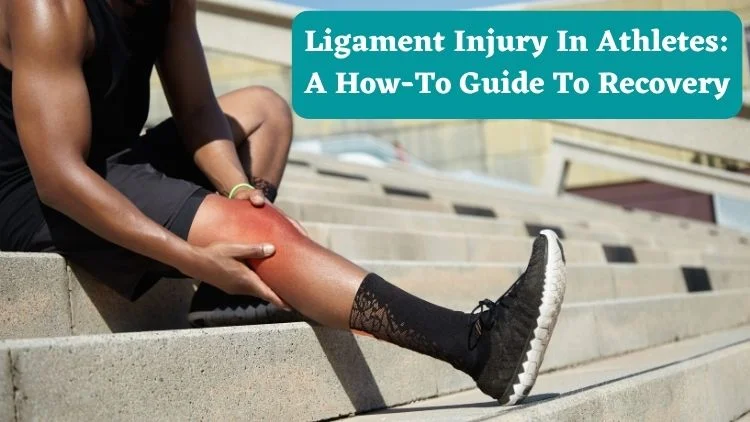
Ligament injuries can be a frustrating setback for athletes. But proper treatment and recovery methods can make all the difference.
Ligament Injury Diagnosis
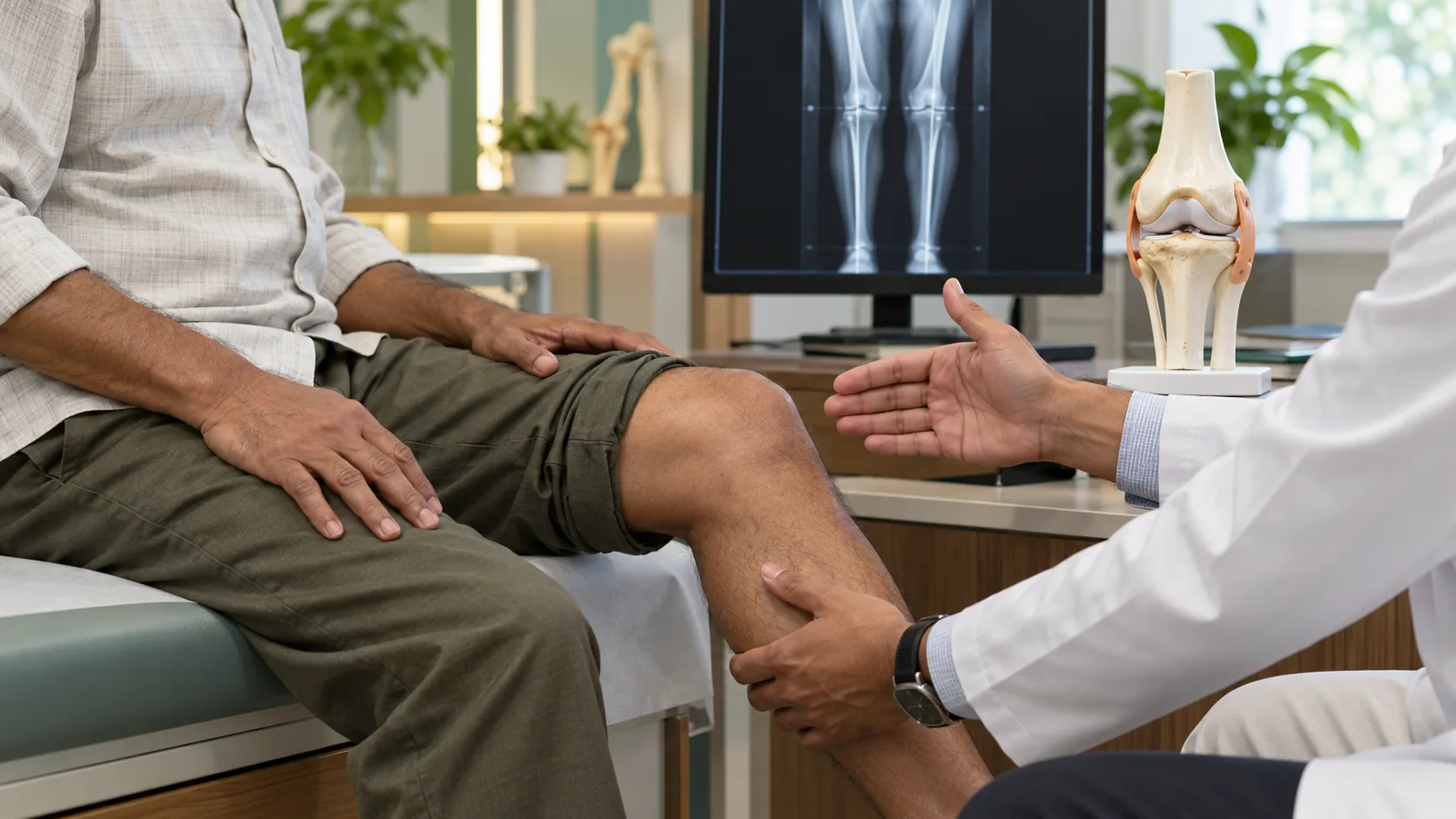
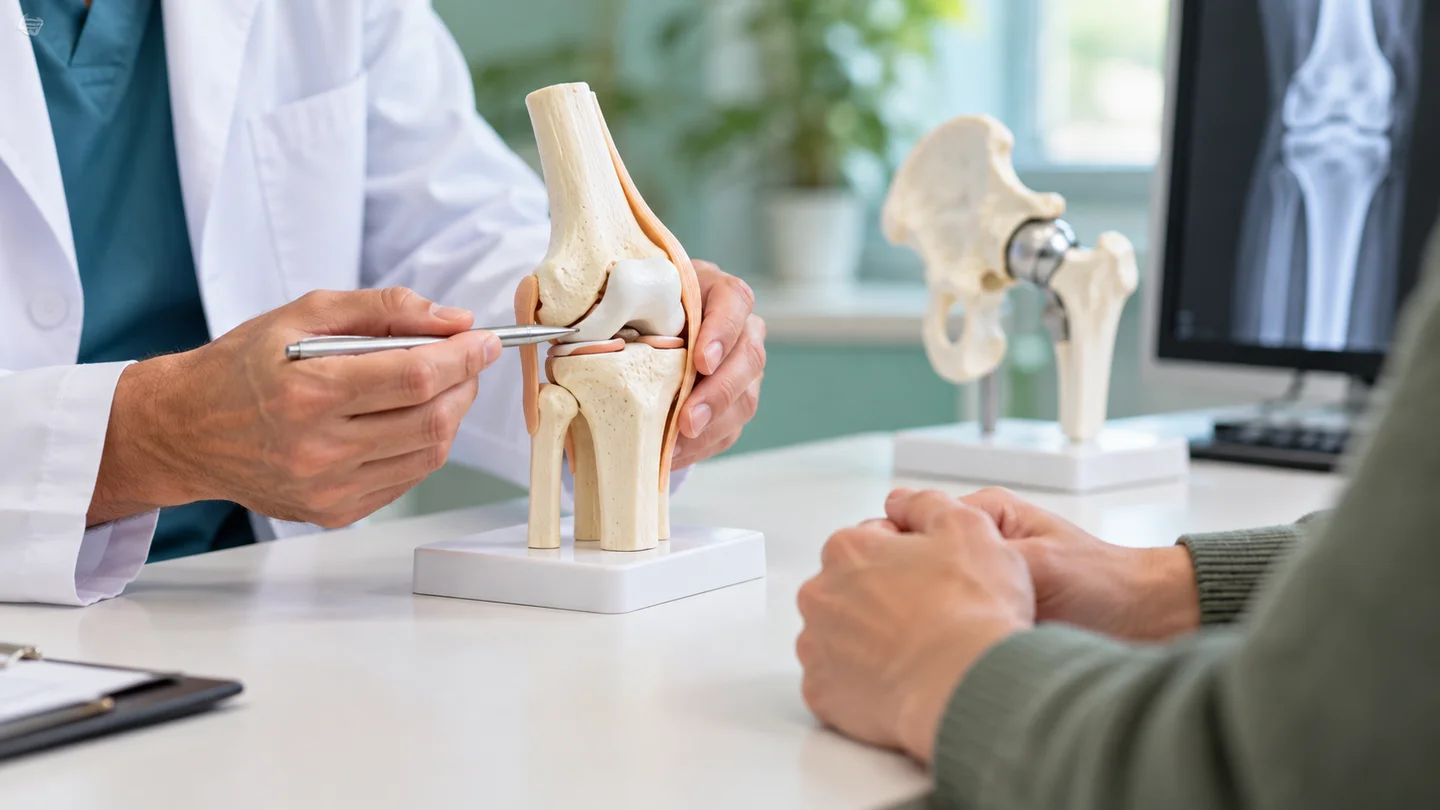
Ligament injuries are diagnosed through a combination of physical examination, medical history, and imaging tests such as X-rays, MRI, or CT scans. The doctor will examine the affected area, ask about symptoms and conduct some tests like a range of motion and stability test to confirm the diagnosis.
Ligament Injury Treatment
Treatment for ligament injuries depends on the grade of the injury:
- Grade 1 injuries are treated with R.I.C.E (rest, ice, compression, and elevation) and physical therapy.
- Grade 2 injuries may require a brace or cast and physical therapy.
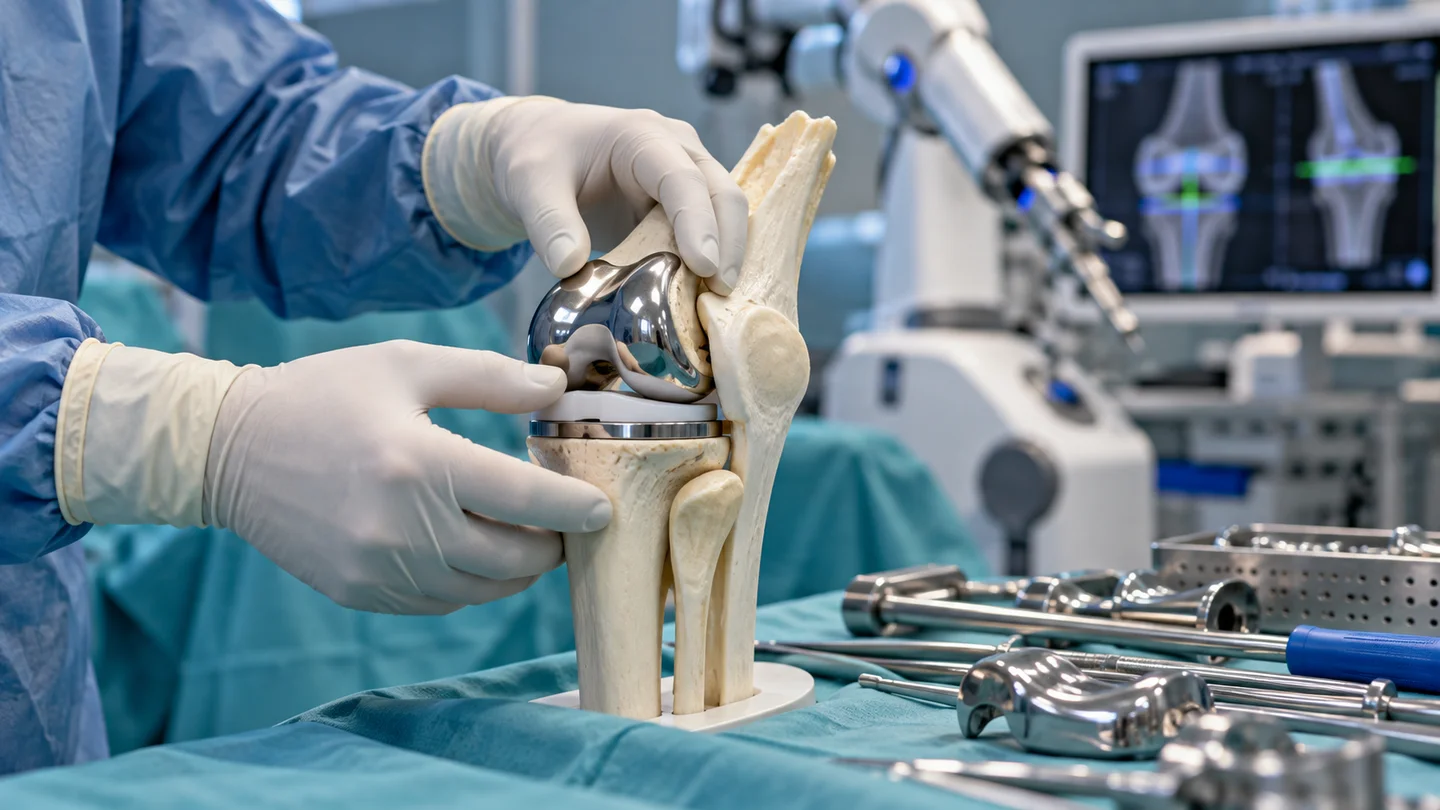
- Grade 3 injuries, which are complete tears, may require surgery and extensive physical therapy.
Ligament Injury Recovery
A) Grade 1 Ligament Injury Recovery Tips:
- Rest and protect the injured area to prevent further damage.
- Apply ice to reduce pain and swelling.
- Compress the area with a bandage or brace to reduce swelling.
- Elevate the affected area to reduce swelling.
- Gradually return to normal activities as soon as possible.
B) Grade 2 Ligament Injury Recovery Tips:
- Rest and protect the injured area to prevent further damage.
- Apply ice to reduce pain and swelling.
- Use a brace or cast to immobilize the area and allow healing.
- Physical therapy to improve range of motion.
- Gradually return to normal activities as soon as possible, but avoid activities that cause pain.
C) Grade 3 Ligament Injury Recovery Tips:
- Surgery may be required to repair the ligament.
- Rest and protect the injured area to prevent further damage.
- Apply ice to reduce pain and swelling.
- Physical therapy to improve range of motion.
- Gradually return to normal activities as soon as possible.
- Rehabilitation may take several months.
5 Mistakes to Avoid During the Recovery Period
- Lack of patience: Recovery can take several weeks or months; don’t rush the healing process.
- Ignoring pain: Pain is a warning sign; pushing through it can lead to further injury.
- Rushing back to sports: Returning too soon can slow healing and lead to re-injury.
- Skipping physical therapy: Therapy is essential for a full recovery.
- Not following a personalized program: Follow the specific plan tailored to your injury.
Final Words
Proper treatment and recovery methods can make all the difference. Remember, recovery takes time and patience.
Whether you're considering a procedure or simply looking to maintain better bone health, understanding the latest medical insights helps you make informed decisions about your care.