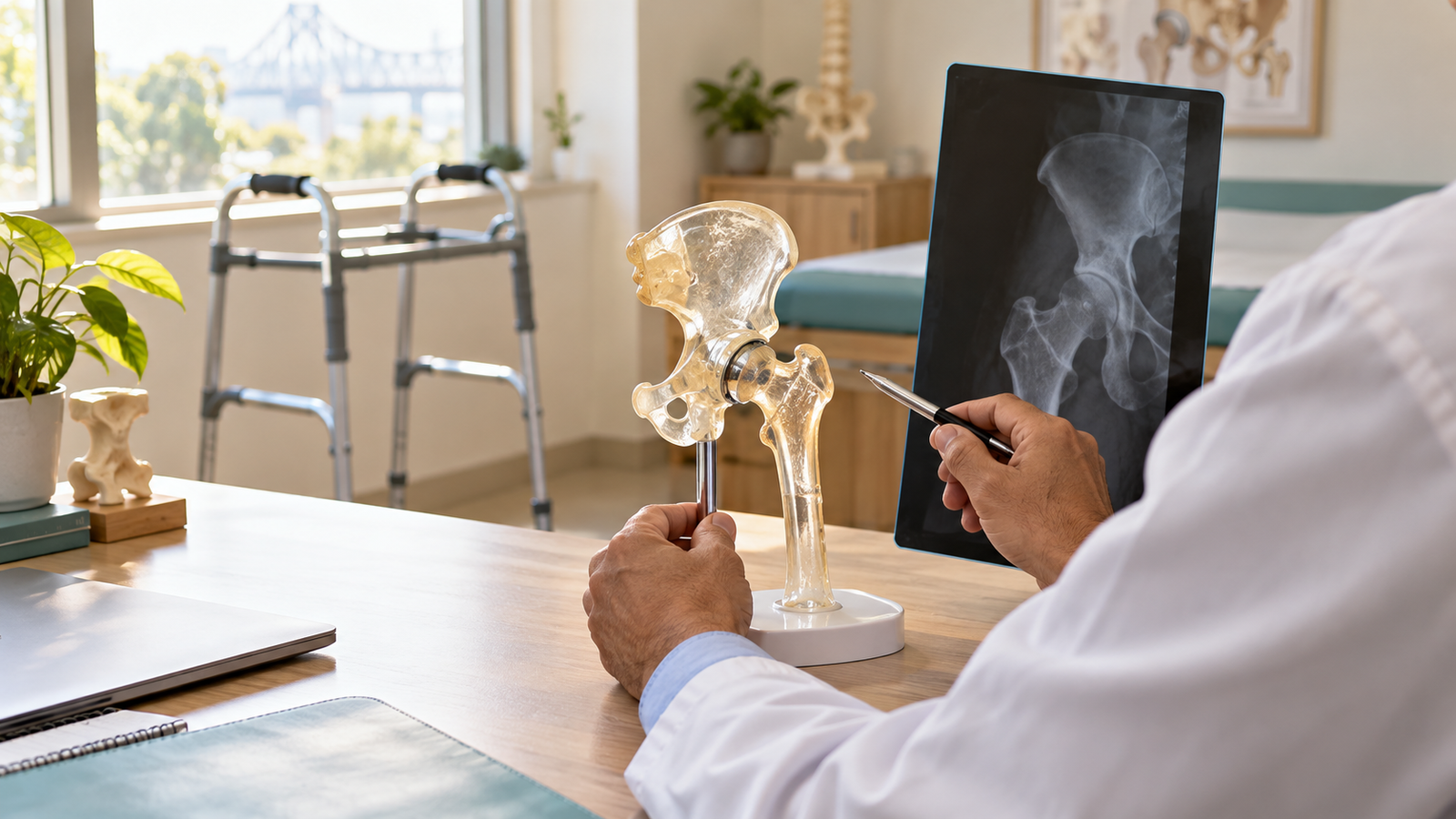
A hip fracture after 60 is not always just the result of one unlucky fall. It may also be the first visible sign that the bone has become weaker over time. For families exploring osteoporosis treatment in Kolkata after a hip fracture, the important point is this: surgery may treat the broken hip, but bone strength, fall risk, walking confidence, and future fracture prevention also need a plan.
Why does a hip fracture after 60 need urgent care and bone-strength review?
A hip fracture in an older adult needs prompt orthopedic care because pain, immobility, blood-loss risk, and existing medical conditions can affect recovery quickly. Once the fracture is treated and the patient begins rehabilitation, the next question should be: did weak bone contribute to the break?
Patients recovering after a low-energy hip fracture may benefit from osteoporosis and fracture care in Kolkata that connects surgery follow-up, bone-density review, vitamin D status, fall-risk assessment, medicines, and long-term fracture prevention.
| Care step | Why it matters |
|---|---|
| Fracture diagnosis | Confirms fracture type, displacement, and urgency |
| Surgery planning | Helps restore stability so mobilisation can begin safely |
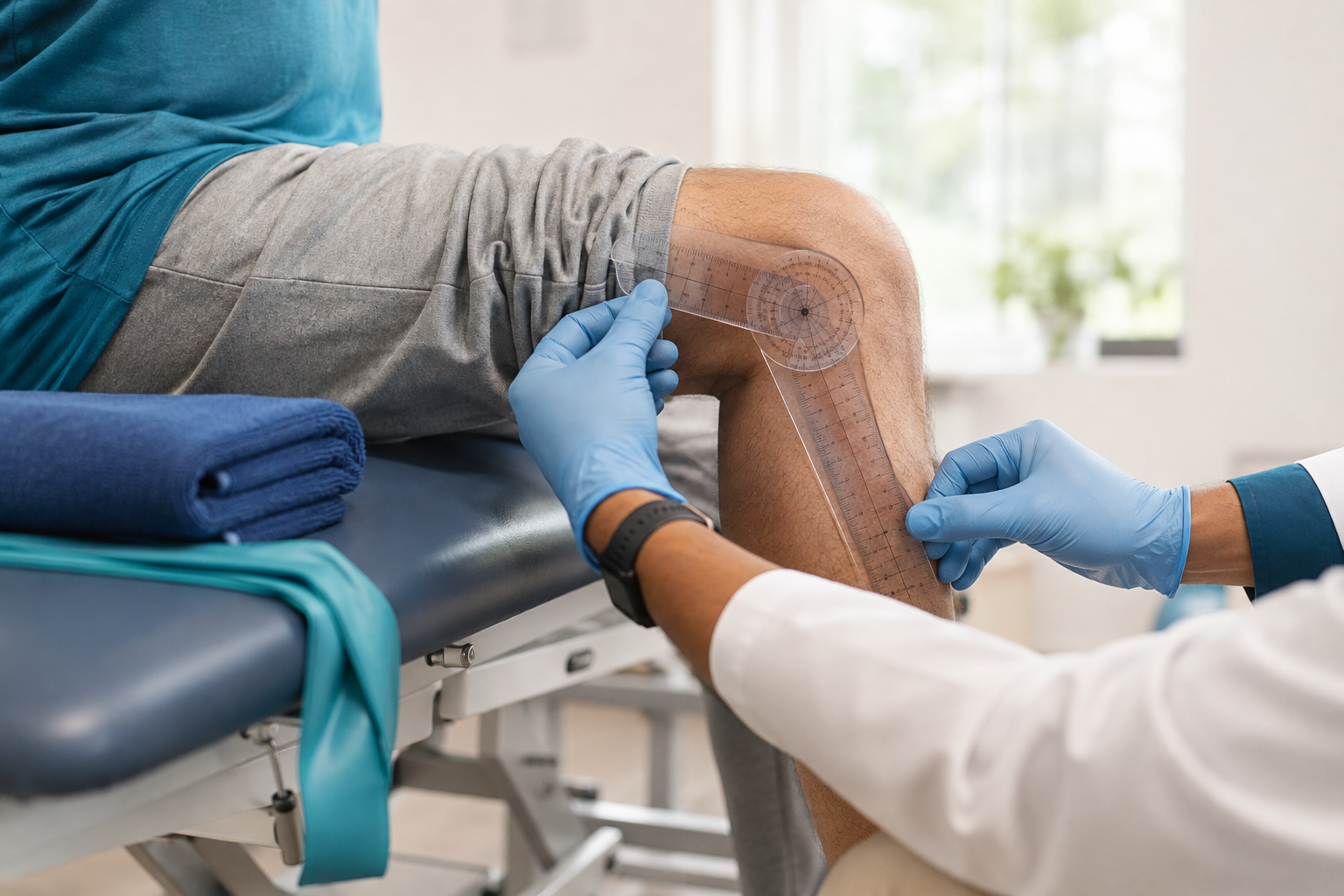
| Rehabilitation | Rebuilds walking confidence, strength, and balance |
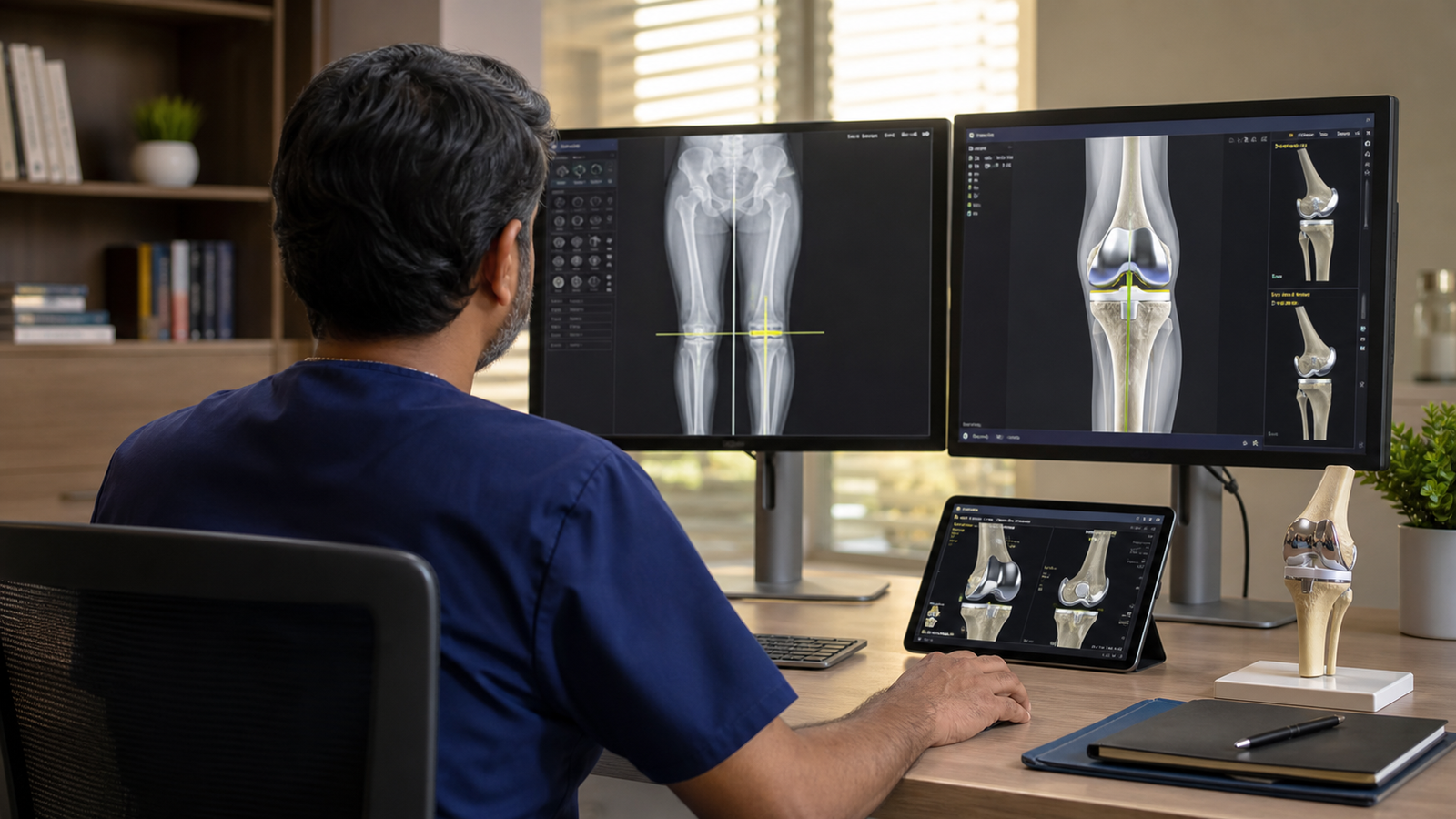
| Bone-health evaluation | Checks whether osteoporosis or low bone strength contributed |
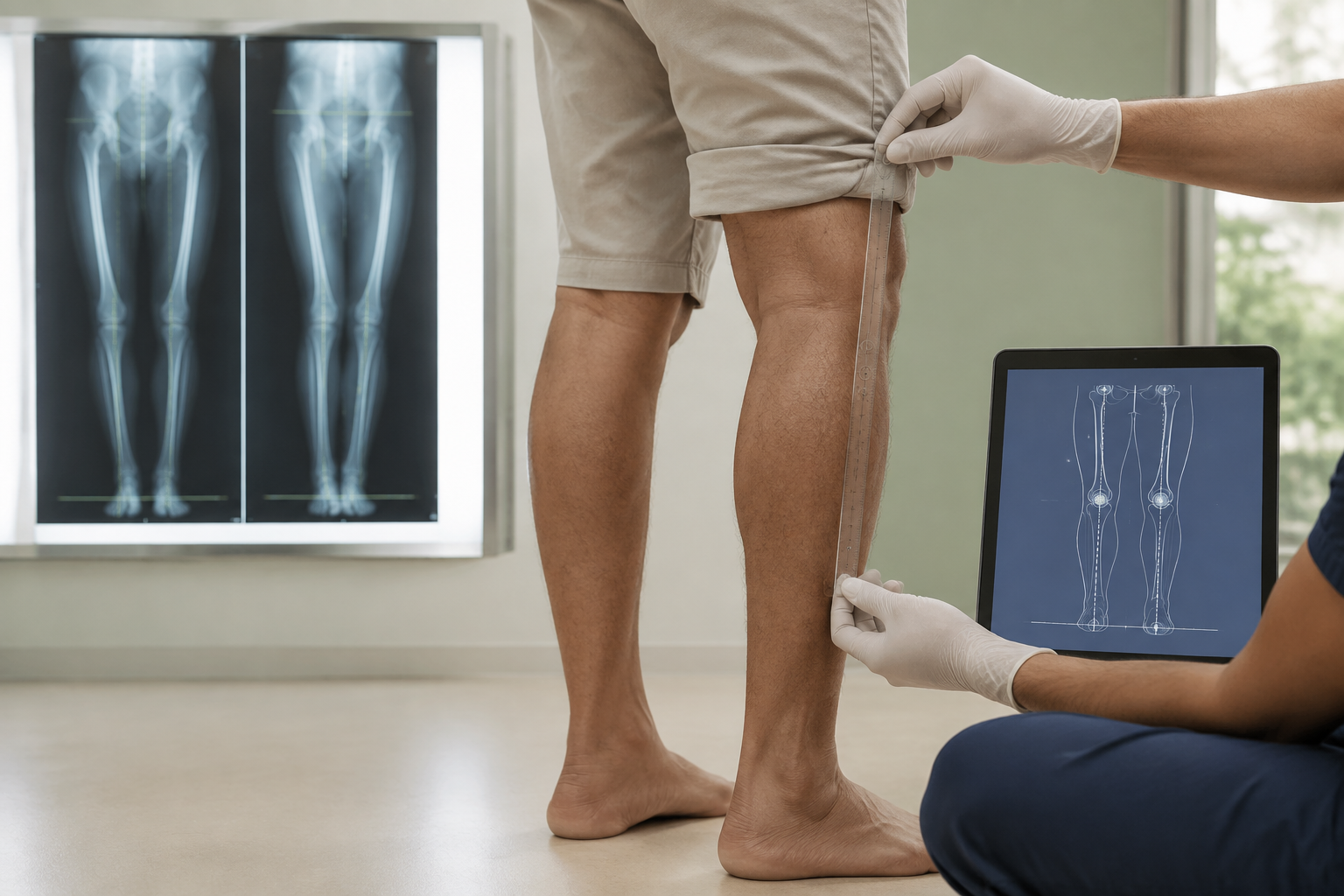
| Fall-risk review | Looks at balance, vision, footwear, home safety, and medicines |
| Long-term management | Helps reduce the risk of another fragility fracture |
This is the core idea: the broken hip needs urgent treatment, but the bone that broke also needs attention.
The real concern: “It was just a fall. How did the hip break?”
This is usually the question that troubles the family most.
The fall may not look serious at first. A person slips near the bathroom door, misses a step, loses balance while turning, or falls while getting out of bed. But then they cannot stand, cannot bear weight, and the pain is far more severe than anyone expected.
That gap between a small fall and a serious fracture is important.
In older adults, a hip fracture after a low-energy fall can sometimes be a sign that the bone was already weak. It does not confirm osteoporosis on its own, but it should prompt a proper bone-strength review once the urgent fracture treatment is underway.
Many patients reach this point without any previous bone-density test. Some had warning signs earlier — height loss, back pain, low vitamin D, a previous wrist fracture, or repeated falls — but those clues were never connected. In other cases, medicines, poor balance, weak muscles, or home-safety issues may also have played a role.
Heal My Bones explains this connection because treating the broken hip is only one part of the story. The bigger question is why the bone broke so easily, and what can be done to reduce the risk of another fracture.
Why do low-energy hip fractures matter?
A low-energy hip fracture usually means the bone broke after a fall from standing height or a similar minor injury. In an older adult, that pattern should not be brushed aside.
The fracture may be the first warning that bone strength is reduced.
AAOS explains that many people have their first fragility fracture without knowing their bones were weakening, and that such a fracture may prompt bone-health evaluation because it can indicate underlying bone weakness and future fracture risk.
That is why hip fracture treatment should not stop once the operation is over. The surgery addresses the immediate injury. The bone-health review looks at what may have made the injury possible in the first place.
How are hip fractures treated surgically?
Hip fracture surgery depends on fracture type, fracture location, displacement, bone quality, age, medical fitness, and how well the patient walked before the injury.
Some fractures may be fixed with screws, plates, or nails. Other patterns may need a hip replacement-type procedure. The decision is made after reviewing the X-ray, examining the patient, and checking medical conditions such as diabetes, heart disease, blood pressure, kidney function, infection risk, and current medicines.
NICE recommends surgery on the day of, or the day after, admission for adults with hip fracture when clinically appropriate. It also recommends physiotherapy assessment and mobilisation on the day after surgery unless medically or surgically contraindicated.
For families, the takeaway is clear: surgery is usually the first major step, but it is not the whole recovery plan.
Why should osteoporosis treatment be discussed after surgery?
Osteoporosis treatment should be discussed after hip fracture surgery because one fragility fracture can signal higher risk for another fracture. The patient may recover from the hip operation, but if bone strength is not assessed, the underlying risk may remain.
The doctor may review:
- bone-density test history
- vitamin D and calcium status
- previous fractures
- menopause history in women
- long-term steroid use
- thyroid, kidney, or digestive conditions
- walking confidence
- balance and fall history
- nutrition and protein intake
- medicines that may increase fall risk
The World Health Organization describes osteoporosis as a condition involving low bone density and deterioration of bone tissue, increasing bone fragility and susceptibility to fracture. WHO also emphasizes preventing fragility fractures through early assessment of risk factors and osteoporosis treatment, especially in older people.
This is not about starting every medicine immediately. Timing depends on surgery, healing status, blood reports, kidney function, calcium level, vitamin D status, and the doctor’s assessment.
The point is simpler: the bone-strength discussion should not disappear after discharge.
Flowchart: fracture → surgery → rehabilitation → bone-health evaluation
A simple flowchart can help patients and families understand the full pathway.
Fall or sudden hip pain
⬇
X-ray and hip fracture diagnosis
⬇
Urgent orthopedic assessment
⬇
Surgery planning based on fracture type and medical fitness
⬇
Early mobilisation and rehabilitation
⬇
Bone-strength evaluation
⬇
Osteoporosis management and fall-prevention plan
⬇
Follow-up to reduce future fracture risk
Skipping one step can leave the patient vulnerable later.
How can future fractures be reduced?
Future fracture risk can be reduced by identifying why the first fracture happened and correcting modifiable risks where possible.
For some patients, the plan may include osteoporosis medicines after proper evaluation. For others, vitamin D correction, calcium and protein guidance, balance training, strengthening exercises, safer footwear, home changes, or medicine review may be important.
The plan should not be copied from another patient.
One person may fall because of poor balance. Another may have severe bone loss. Another may have low vitamin D, weak muscles, poor vision, or dizziness from medicines. A patient living alone may need a different home-safety plan from someone with full-time family support.
The hip has to heal, but the next fall also has to be prevented.
When should patients consult a bone health doctor in Kolkata?
After hip fracture surgery, most families focus on one thing: getting the patient walking again.
That is natural. The pain has to settle. The wound has to heal. The patient needs confidence to stand, walk, and return home safely.
But once the acute fracture plan is under control, the next question should not be missed: why did the bone break so easily?
Patients looking for a bone health doctor in Kolkata or exploring osteoporosis treatment in Kolkata should ask whether the fracture may be linked to low bone density, vitamin D deficiency, repeated falls, medicines, poor balance, or previous fractures that were never fully investigated.
A good bone-health review should connect the hip-fracture report with the patient’s full risk picture. That means checking bone strength, nutrition, walking safety, fall risk, current medicines, and whether long-term osteoporosis management in Kolkata is needed.
For many patients, the orthopedic doctor manages the fracture first and then guides the next stage of bone-health assessment. Dr. Manoj Kumar Khemani may be relevant for patients who need orthopedic review after hip fracture surgery, especially when bone weakness, fall risk, or future fracture prevention needs to be discussed.
Heal My Bones explains this connection because hip fracture recovery should not end at “the surgery went well.” The stronger goal is to help the patient recover safely and reduce the chance of another fracture later.
What should families ask before discharge?
Families are often relieved once surgery is completed. That is understandable. But discharge is when the next phase begins.
Before leaving the hospital or during early follow-up, families should ask about walking instructions, weight-bearing limits, wound care, physiotherapy, medicines, warning signs, follow-up X-rays, and whether bone-health evaluation is planned.
Useful records to keep ready include:
- X-rays before and after surgery
- discharge summary
- implant or fixation details, if available
- medicine list
- blood reports
- vitamin D or calcium reports
- previous fracture history
- fall history
- home setup details such as stairs, bathroom support, and caregiver availability
These details help the doctor plan recovery with fewer assumptions.
FAQ
Is a hip fracture after 60 always due to osteoporosis?
A hip fracture after 60 is not always due to osteoporosis, but it should raise concern about bone strength. The diagnosis needs clinical review, fracture history, risk-factor assessment, and bone-density testing when appropriate. Patients should ask whether osteoporosis screening or treatment is needed after the fracture is stabilized.
Should osteoporosis treatment start immediately after hip fracture surgery?
Osteoporosis treatment should be discussed after the urgent fracture plan is addressed and the patient is medically stable. Timing depends on surgery type, kidney function, calcium level, vitamin D status, medicines, and the doctor’s assessment. Patients should not start osteoporosis medicines or supplements without medical guidance.
Which doctor should I consult for osteoporosis after a hip fracture?
An orthopedic doctor should assess the hip fracture first, and bone-health evaluation should follow once the acute injury is managed. The review may include X-rays, bone-density testing, vitamin D review, fall-risk assessment, and long-term fracture-prevention planning. Patients should carry surgery records, previous fracture history, medicines, and bone-density reports if available.
Can future fractures be prevented after a hip fracture?
Future fracture risk can often be reduced, but prevention depends on identifying the patient’s specific risk factors. Bone-strength treatment, vitamin D correction, nutrition, balance training, fall prevention, and medicine review may all be considered. A structured follow-up plan helps connect hip-fracture recovery with long-term bone protection.
Practical next step
After a hip fracture, most families naturally focus on getting the surgery done and bringing the patient home safely. That comes first.
But once the immediate injury is managed, the next conversation should not be skipped: why did the bone break so easily?
A fall after 60 may look simple from the outside, but the fracture can reveal a deeper bone-strength problem. The patient may need help with walking, balance, nutrition, vitamin D, medicines, home safety, and osteoporosis review.
So the follow-up should not be only about the operated hip.
It should also ask whether the rest of the skeleton is protected enough for the future. That is what turns fracture recovery from short-term treatment into safer long-term care.
Medical Disclaimer
This article is for general educational purposes only and should not be taken as personal medical advice, diagnosis, or treatment recommendation. Hip fracture treatment, surgery type, timing, rehabilitation, osteoporosis testing, bone-strength medicines, vitamin D correction, calcium advice, fall prevention, and recovery planning vary from patient to patient. Please consult a qualified orthopedic doctor with symptoms, X-rays, discharge records, medical history, current medicines, and examination findings before making any treatment decision.