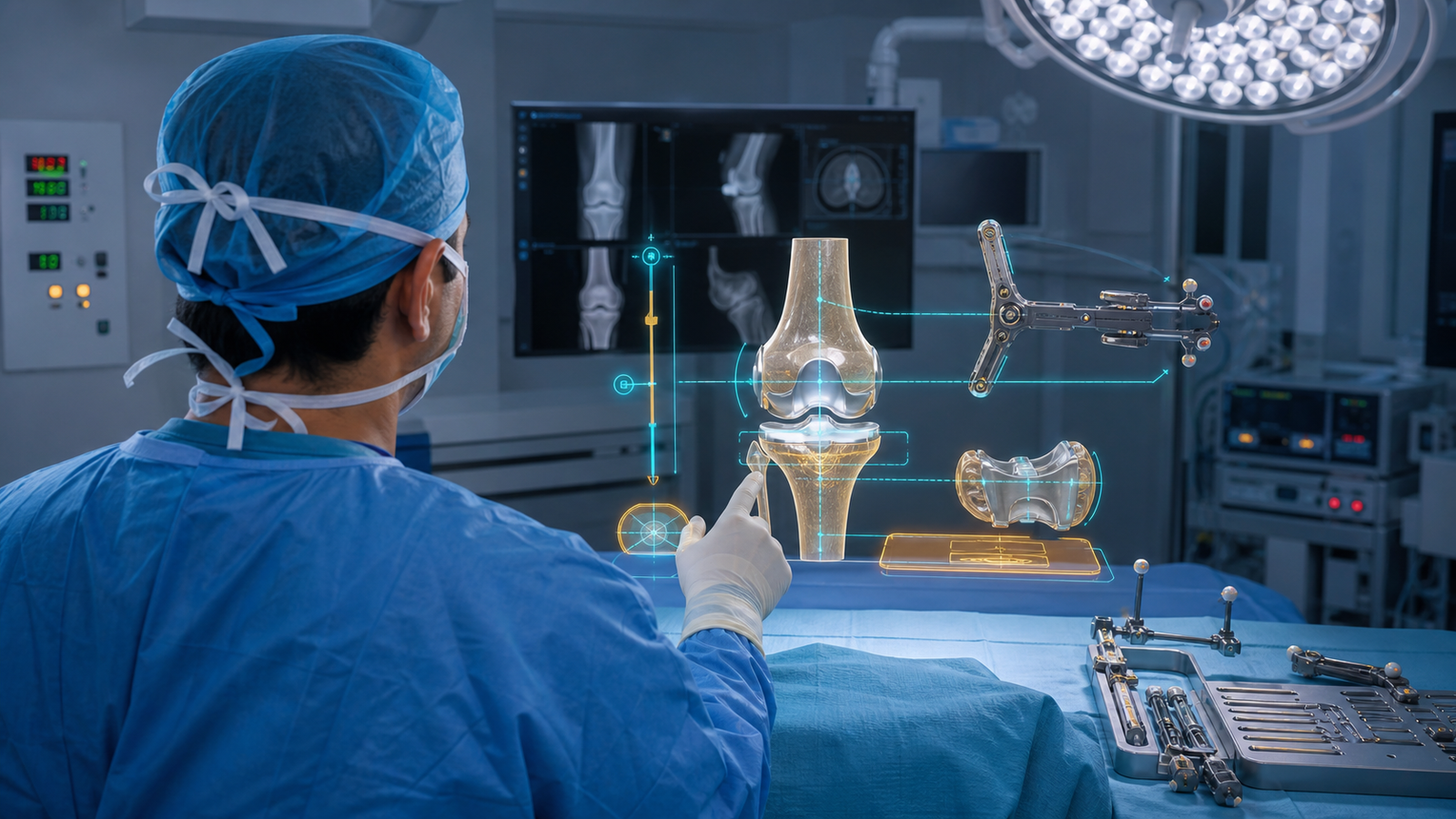
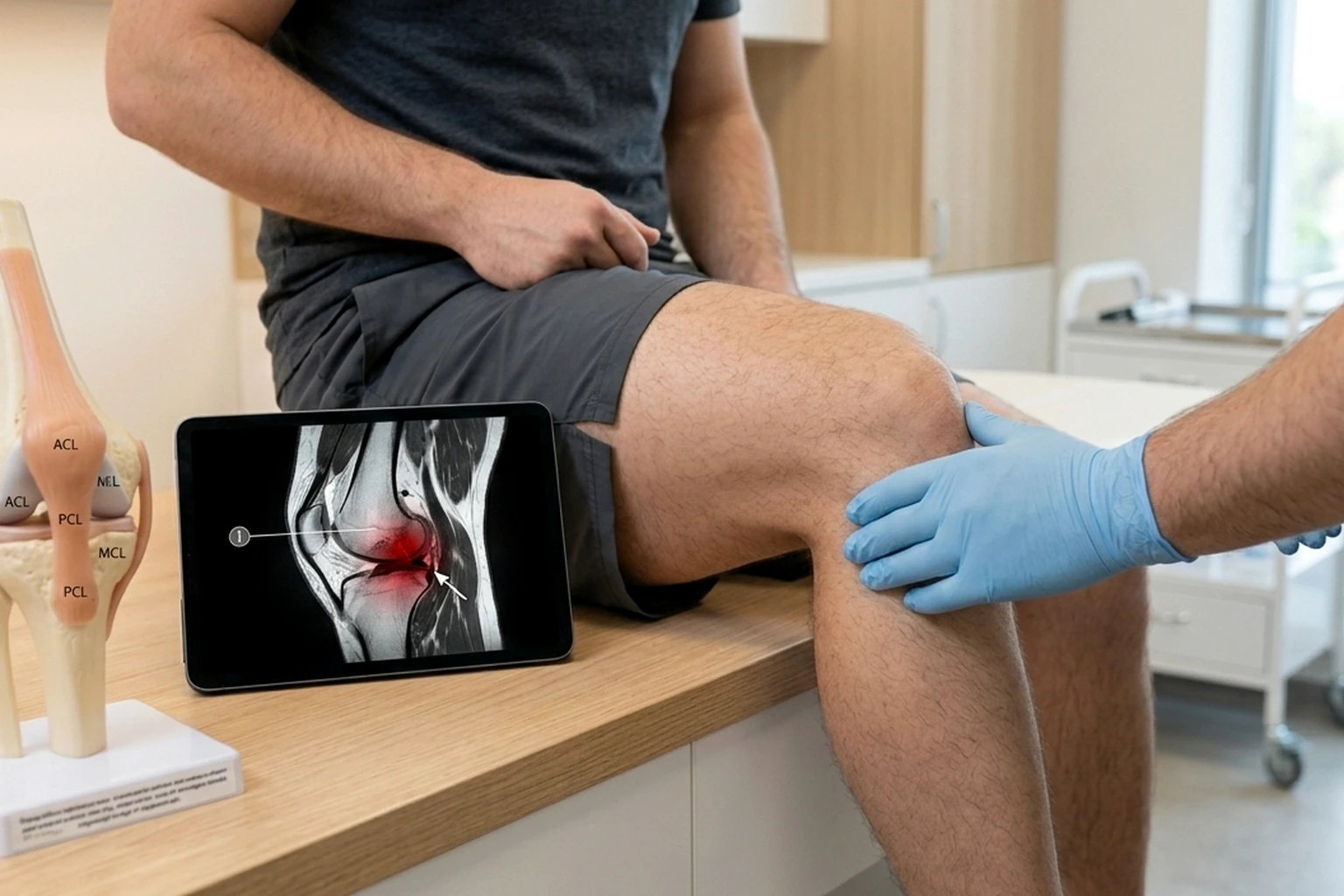
A ligament injury rarely behaves in a straight line. The swelling may reduce, walking may feel easier, and then one wrong turn on stairs or uneven ground brings the pain back. That is why many patients search can a torn ligament heal on its own after a knee twist, ankle roll, sports injury, or sudden fall.
The better question is not only, "Will it heal?" The better question is, "Will this joint become stable again?"
At Dr Manoj Kumar Khemani's Kolkata practice, ligament injuries are usually assessed by matching the story of the injury with the behaviour of the joint. A patient who slipped during monsoon on a wet staircase, a young football player injured on turf, and an office-goer who twisted the knee while getting off a two-wheeler may all say "sprain," but the clinical findings can be very different.
If the swelling, buckling, or pain keeps coming back after a twist or sports injury, it is better to get the joint examined through a focused ligament injury evaluation and treatment in Kolkata consultation instead of guessing from pain relief alone.
Pain Improving Is Not the Same as Ligament Healing
Pain often settles faster than ligament stability. A joint can feel less painful after rest and still remain unsafe during turning, stairs, running, squatting, or uneven-ground walking.
In clinic, the concern is not only how painful the injury is on day three or day seven. The more useful signs are:
- Did the joint swell quickly after injury?
- Was there a pop, snap, or giving-way feeling?
- Can the patient bear weight properly?
- Does the knee buckle while turning?
- Does the ankle roll again on uneven ground?
- Does swelling return after walking?
- Is the patient avoiding stairs or fast movement?
This distinction matters because ligaments act like stabilizing straps between bones. When a ligament is stretched or torn, the joint may lose control even after pain reduces.
A mild ankle sprain may recover with early protection and rehabilitation. A torn ACL in the knee may allow straight walking after a few days but still fail during pivoting or sudden direction change. That is why athletes often say, "I can walk, but I cannot trust the knee."
Can a torn ligament heal on its own without surgery?
A mild or partial ligament tear may heal without surgery if the joint remains stable, swelling improves steadily, and function returns with rehabilitation. A complete tear, recurrent swelling, or repeated giving way should be examined by a ligament specialist before deciding between continued rehab and surgery.
The usual decision depends on three things:
- Which ligament is injured
Knee injuries may involve the ACL, PCL, MCL, or LCL. Ankle injuries commonly involve the ATFL or CFL. Each ligament has a different role in stability. - Whether the joint is stable
If the knee shifts during turning or the ankle rolls again during walking, pain relief alone is not enough. - What the patient needs to return to
A desk-based patient, a badminton player, a footballer, and a person who climbs stairs daily for work do not all need the same recovery plan.
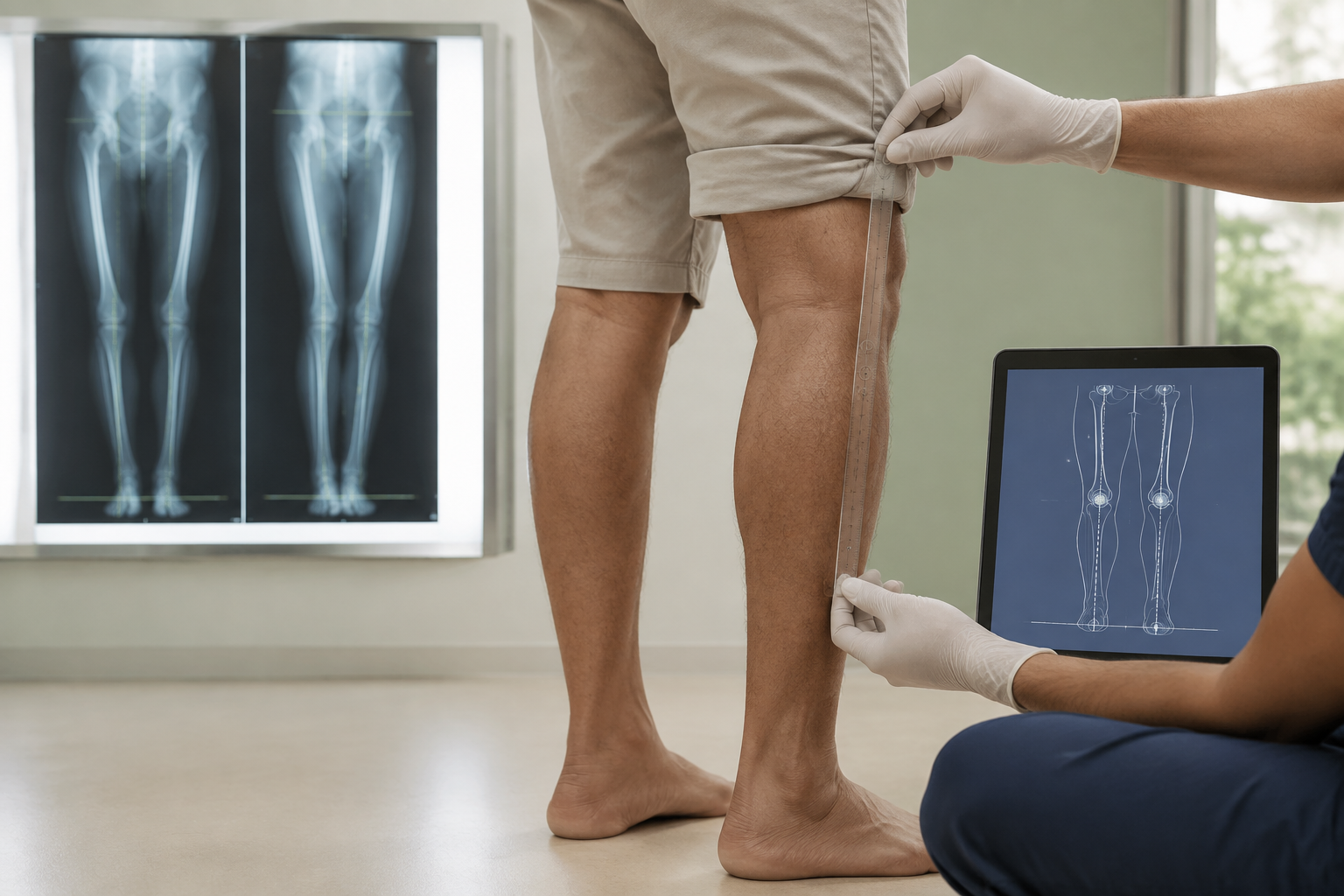
A normal X-ray does not rule out a ligament tear. X-rays are useful for checking fracture or bone alignment. Ligaments are assessed through examination and, when needed, MRI.
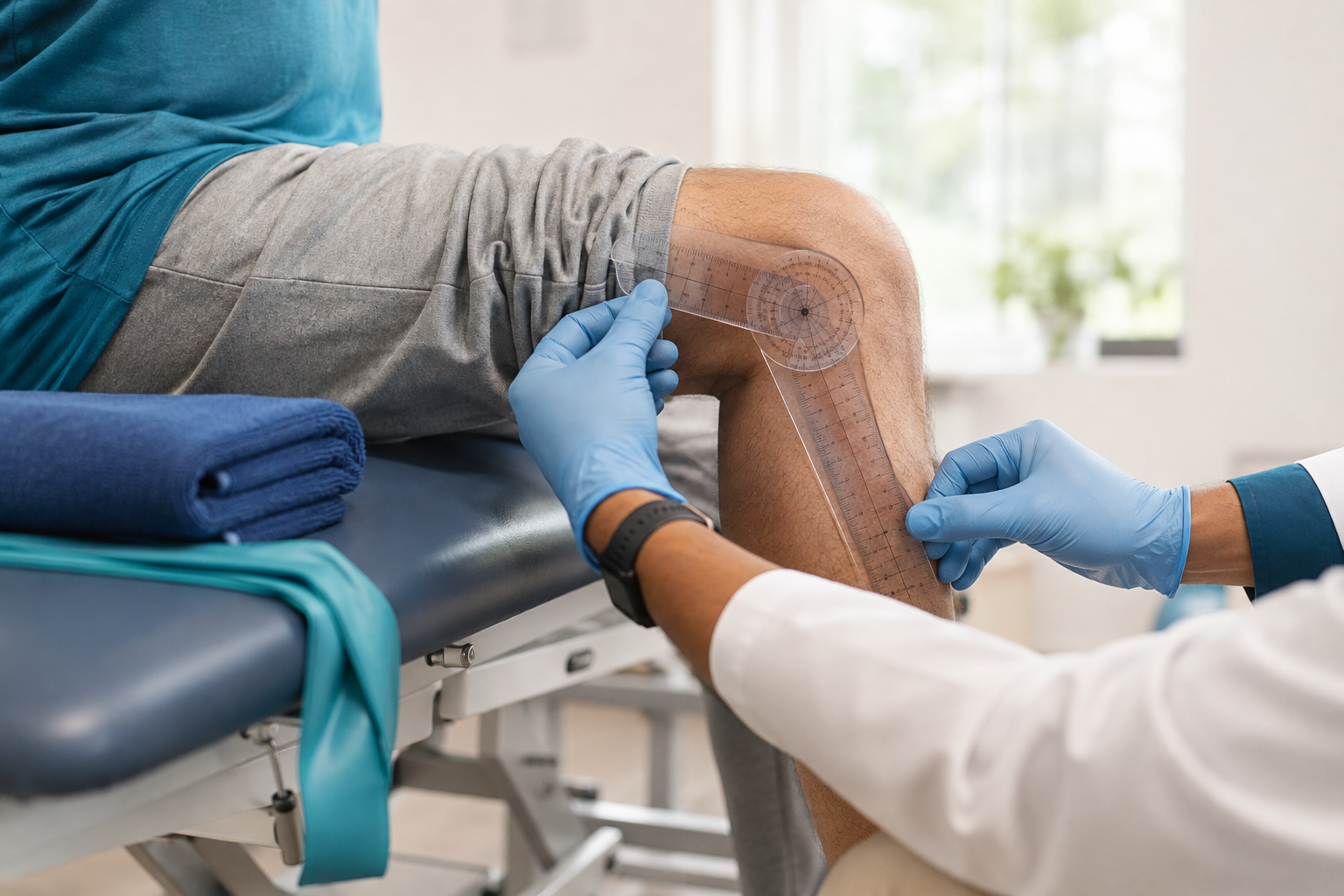
For knee injuries, an orthopedic doctor may use tests such as the Lachman test or anterior drawer test for ACL laxity, posterior drawer test for PCL, and varus/valgus stress tests for side ligaments. For ankle injuries, anterior drawer and talar tilt testing may help assess lateral ligament instability. These tests should be done carefully and at the right time because severe pain and swelling can make early testing difficult.
Once the first pain and swelling reduces, most patients want to know what is safe next - walking, physiotherapy, stairs, or sport. This ligament injury recovery guide explains that next phase clearly.
What are Grade 1, Grade 2, and Grade 3 ligament injuries?
Ligament injuries are usually graded by severity: Grade 1 means stretching with minor fiber damage, Grade 2 means partial tearing, and Grade 3 means complete tearing. The grade is useful, but the final treatment plan also depends on stability, swelling, activity level, and associated injury.
| Grade | What it means clinically | Common patient experience | Usual direction |
|---|---|---|---|
| Grade 1 | Mild stretch or microscopic fiber injury | Pain and tenderness, but the joint feels mostly stable | Protection, swelling control, gradual rehab |
| Grade 2 | Partial tear with some looseness | More swelling, bruising, pain during movement, hesitation on stairs or sport | Bracing or support, physiotherapy, follow-up stability checks |
| Grade 3 | Complete tear | Marked swelling, instability, difficulty trusting the joint | Specialist evaluation; surgery may be discussed depending on joint and function |
Grade 1 injuries are not "nothing." They still need sensible early care. But they usually improve with protection, swelling control, and gradual strengthening.
Grade 2 injuries are the tricky middle group. A patient may walk to office but feel unsafe during sudden turns, stepping off a bus, or playing weekend football. That is why follow-up matters; the joint has to prove it is stable under real movement.
Grade 3 injuries need more caution. A complete ACL tear in a young player, a high-grade ankle ligament tear with repeated rolling, or a multi-ligament injury after a road accident cannot be treated like a small sprain.
A practical clinical line is this: grade tells us the damage, but function tells us the consequence.
When does a ligament tear need surgery?
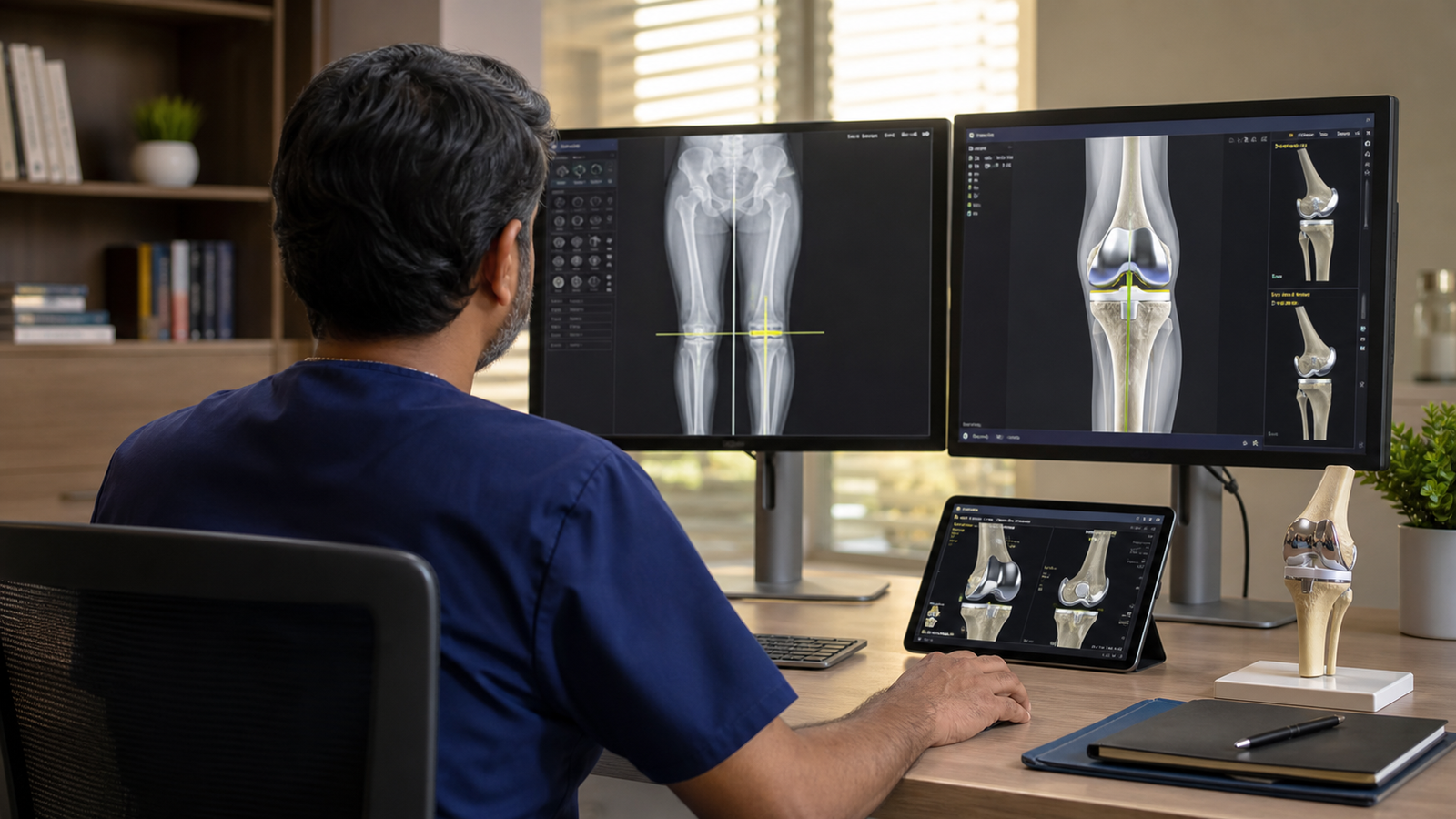
Surgery may be considered when the ligament is completely torn, the joint remains unstable, swelling keeps returning, or the patient needs reliable movement for sport, physical work, or daily stairs. Surgery is not decided from the MRI sentence alone; it is decided by combining examination, function, imaging, and recovery goals.
A ligament specialist may discuss surgery when there is:
- repeated knee buckling
- ankle instability despite rehabilitation
- complete ACL tear with pivoting instability
- combined ligament injury
- meniscus or cartilage injury along with ligament tear
- inability to return to sport or demanding work
- failure of structured physiotherapy
- persistent fear while turning, descending stairs, or walking fast
In Kolkata, we often see delayed ligament consultations after local football, badminton, gym injuries, two-wheeler slips, and monsoon falls. The patient may first manage with painkillers, a crepe bandage, and rest. That is understandable, but repeated swelling after returning to activity is a warning sign.
Not every ACL injury requires immediate surgery. Some partial tears without instability can be treated with rehabilitation. Some lower-demand patients with stable movement may also avoid surgery. But a young, active patient whose knee gives way during turning needs a more serious discussion.
This is where the doctor's examination matters. A report can say "ACL tear," but the knee must still be tested for laxity, swelling, range of motion, muscle control, and functional confidence.
For risk-focused reading, patients can review why untreated ligament injuries can become harder to manage.
Which doctor should you consult for ligament injury in Kolkata?
You should consult an orthopedic specialist who evaluates ligament injuries through clinical examination, stability testing, and imaging review when required. The right doctor should explain whether the injury looks like a mild sprain, partial tear, complete tear, ACL-related instability, ankle instability, or a combined soft-tissue injury.
A proper ligament consultation should answer five patient questions:
- What ligament may be injured?
- Is the joint stable or unstable?
- Do I need an X-ray, MRI, or only clinical follow-up?
- Can this recover with rehabilitation?
- What movement should I avoid right now?
Patients from Salt Lake, New Town, Lake Town, Bangur Avenue, Kestopur, Dum Dum, and nearby areas should also consider follow-up access. Ligament treatment is often not a single-visit issue. Swelling may need review, brace use may need correction, physiotherapy may need staging, and return-to-sport decisions should not be rushed.
At Dr Manoj Kumar Khemani's practice, the useful focus is not to label every injury as "minor" or "surgical." The focus is to identify whether the joint is safe, whether the patient can return to daily movement, and whether delayed treatment could make recovery harder.
What should you avoid after a suspected ligament tear?
After a suspected ligament tear, avoid aggressive massage, forced stretching, early running, unsupported walking, and returning to sport just because the pain has reduced. These errors can increase swelling, worsen instability, or delay proper diagnosis.
Common mistakes include:
- applying heat immediately after a swollen injury
- walking long distances in the first few days
- playing again after taking painkillers
- ignoring a pop sound at the time of injury
- assuming a normal X-ray means no ligament damage
- removing the brace or support too early
- starting squats, jumps, or treadmill running without clearance
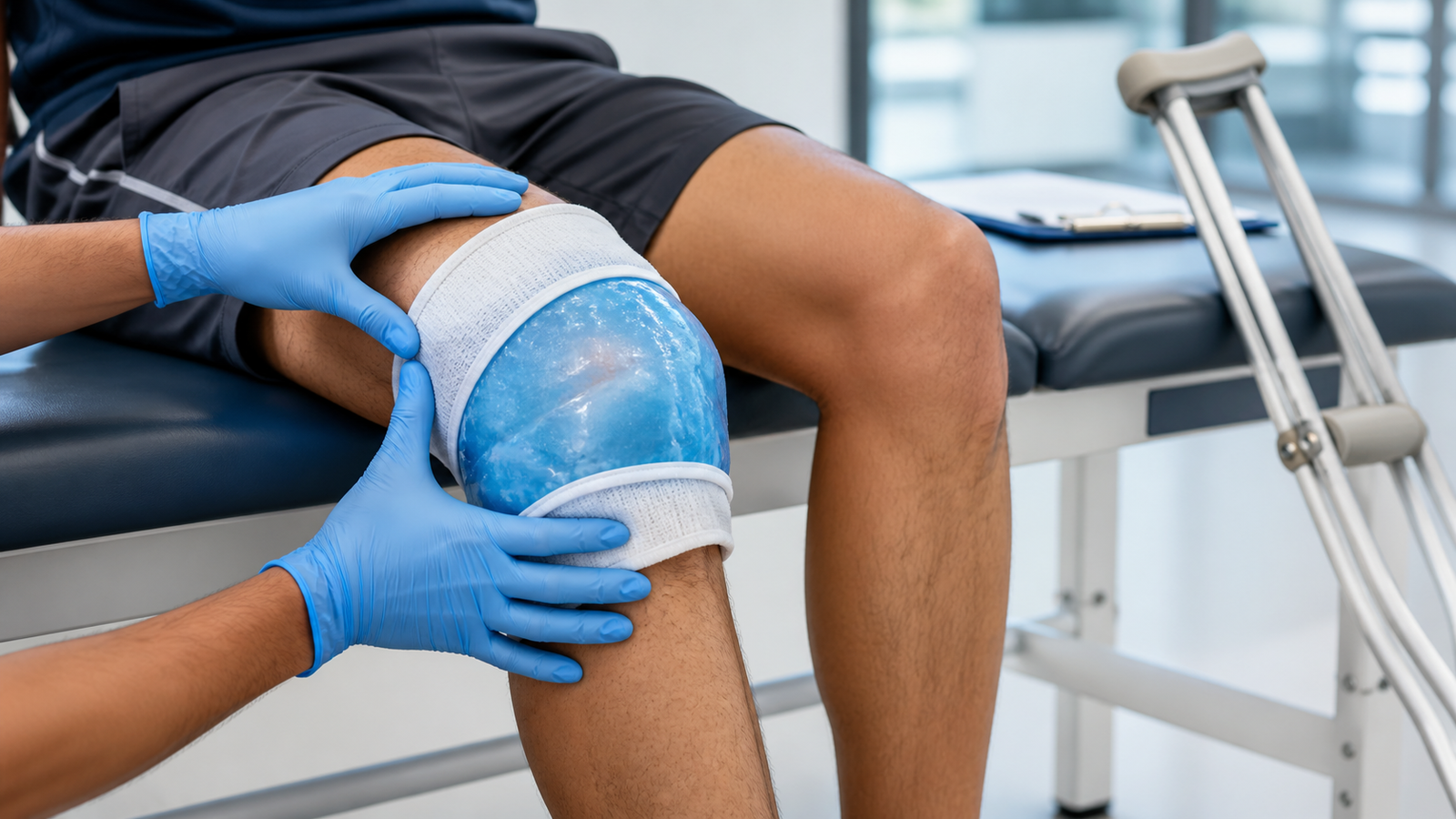
Early care should focus on protection. Ice, compression, elevation, and temporary activity restriction are commonly advised in the first phase of sprain care. A brace, splint, or crutches may be needed depending on the joint and severity.
For ankle injuries, doctors may also decide whether an X-ray is needed based on pain location and ability to bear weight. The Ottawa ankle rules are one example of a clinical decision tool used to reduce unnecessary X-rays while still identifying patients who need imaging.
Seek urgent medical review if there is visible deformity, inability to bear weight, numbness, severe swelling, fever with joint pain, or repeated giving way.
How long does ligament recovery usually take?
Ligament recovery can take a few weeks for mild injuries and several months for major tears, especially ACL injuries or high-grade instability. The timeline depends on the ligament involved, grade of tear, swelling control, muscle strength, joint stability, and whether surgery is required.
A practical timeline looks like this:
| Injury pattern | Approximate recovery direction |
|---|---|
| Mild Grade 1 sprain | Often improves over 1-3 weeks with protection and gradual movement |
| Moderate Grade 2 sprain | Often needs 3-6 weeks or more, with bracing and physiotherapy |
| Severe Grade 3 sprain | May take months; needs specialist review and structured rehabilitation |
| ACL tear with instability | Recovery planning may extend over months, especially if reconstruction is needed |
| Recurrent ankle instability | Depends on rehab response and whether the ligament remains loose |
These are general windows, not guarantees. A patient who returns to activity too early may stretch recovery. A patient who avoids all movement for too long may become stiff and weak.
The best recovery sign is not only "less pain." Better signs are normal walking, reducing swelling, improving range of motion, better balance, stronger muscles, and no giving-way episodes.
FAQs
Can ligaments heal on their own if I can walk now?
Some ligament injuries can heal even if you are walking, but walking alone does not prove the joint is stable. ACL and ankle ligament injuries may allow straight walking while still failing during turning, stairs, running, or uneven-ground movement. Get assessed if swelling returns, the joint feels loose, or confidence has not come back.
How do I know if my ligament injury is Grade 1, Grade 2, or Grade 3?
The grade is decided through examination and, when needed, MRI or other imaging. Grade 1 usually means stretching, Grade 2 means partial tearing, and Grade 3 means complete tearing with possible instability. Ask the doctor to explain both the grade and whether the joint is functionally stable.
Does a Grade 3 ligament tear always need surgery?
A Grade 3 ligament tear does not always mean automatic surgery, but it should always be evaluated by a specialist. The decision depends on the ligament involved, instability, age, activity level, sport goals, associated injuries, and response to rehabilitation. Ask for a clear comparison of conservative care and surgical options before deciding.
Which doctor should I visit after a sports twist or knee buckling in Kolkata?
Visit an orthopedic specialist who can examine ligament stability and review imaging when required. Sports twists can involve ACL, MCL, meniscus, ankle ATFL/CFL ligaments, cartilage, or combined injuries. Carry any X-ray, MRI, prescriptions, brace details, and a clear note of how the injury happened.
A practical next step for Kolkata patients
Do not judge a ligament injury only by today's pain level. Judge it by stability, swelling, walking confidence, stair control, and whether the joint can handle the movements you need in real life.
For patients travelling from New Town, Lake Town, Bangur Avenue, Kestopur, Dum Dum, or Sector V toward Salt Lake, planning the route before consultation can help if walking is painful or the knee feels unreliable. You can Visit Dr Manoj Kumar Khemani on His Healing Touch Clinic, before planning your appointment.