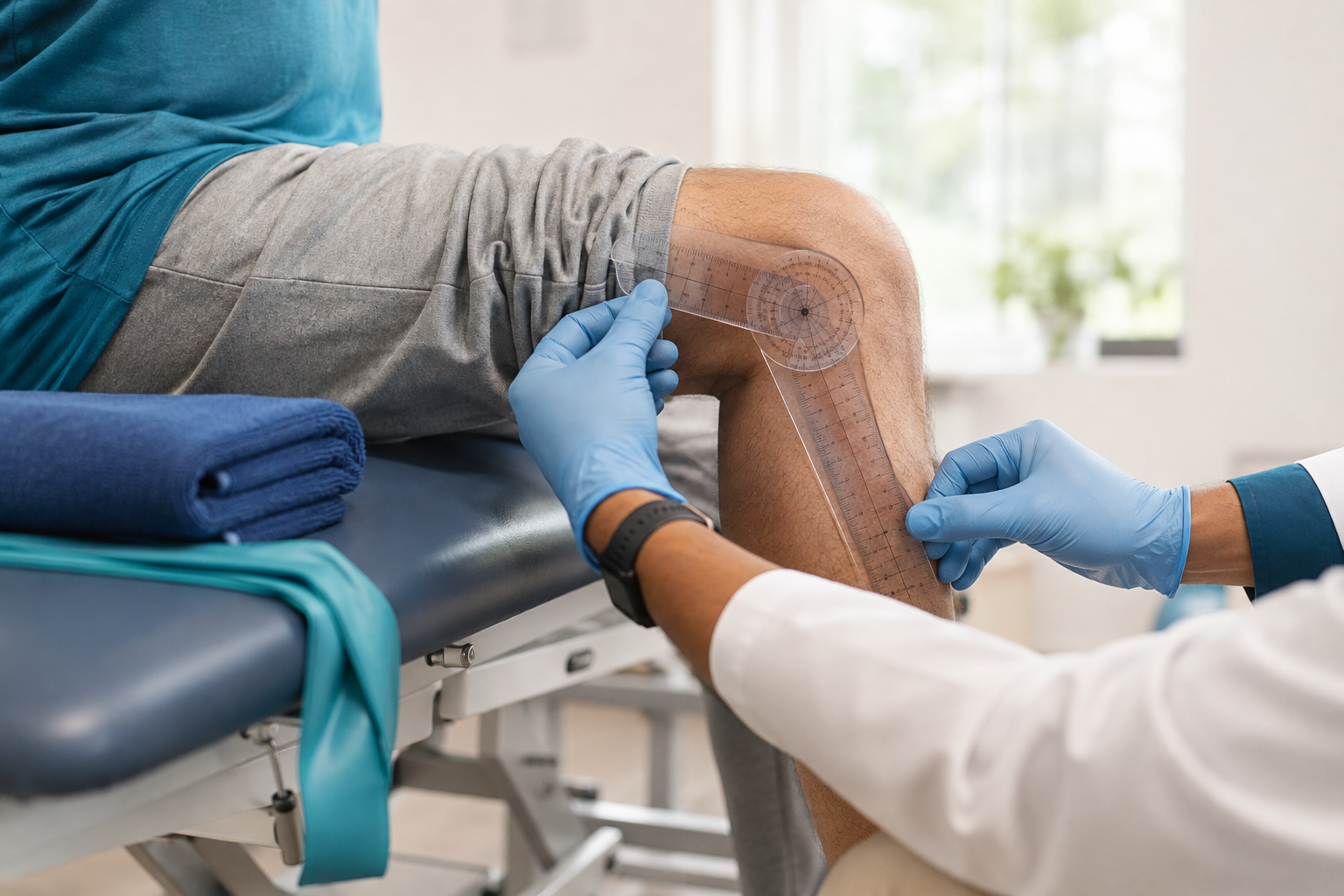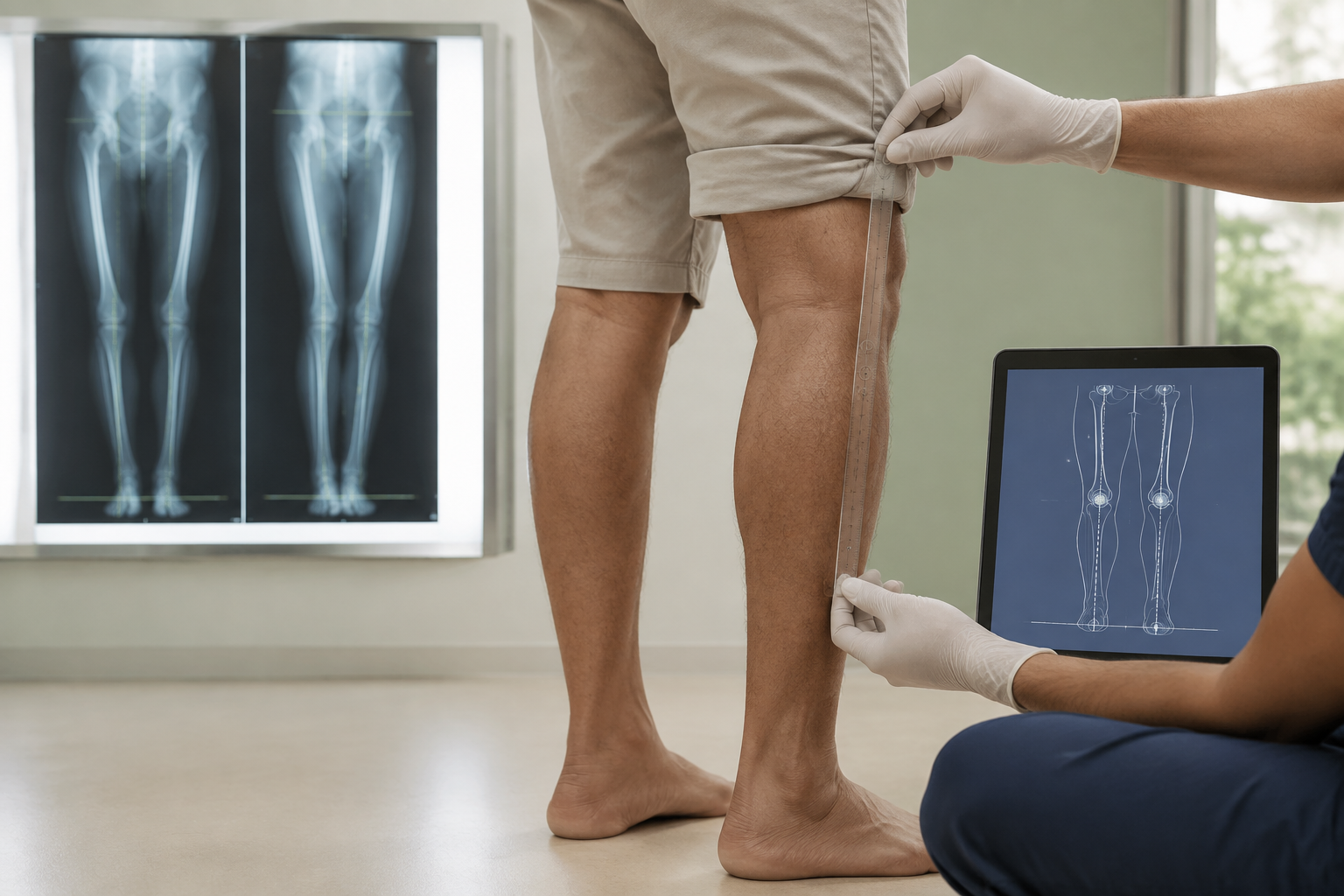
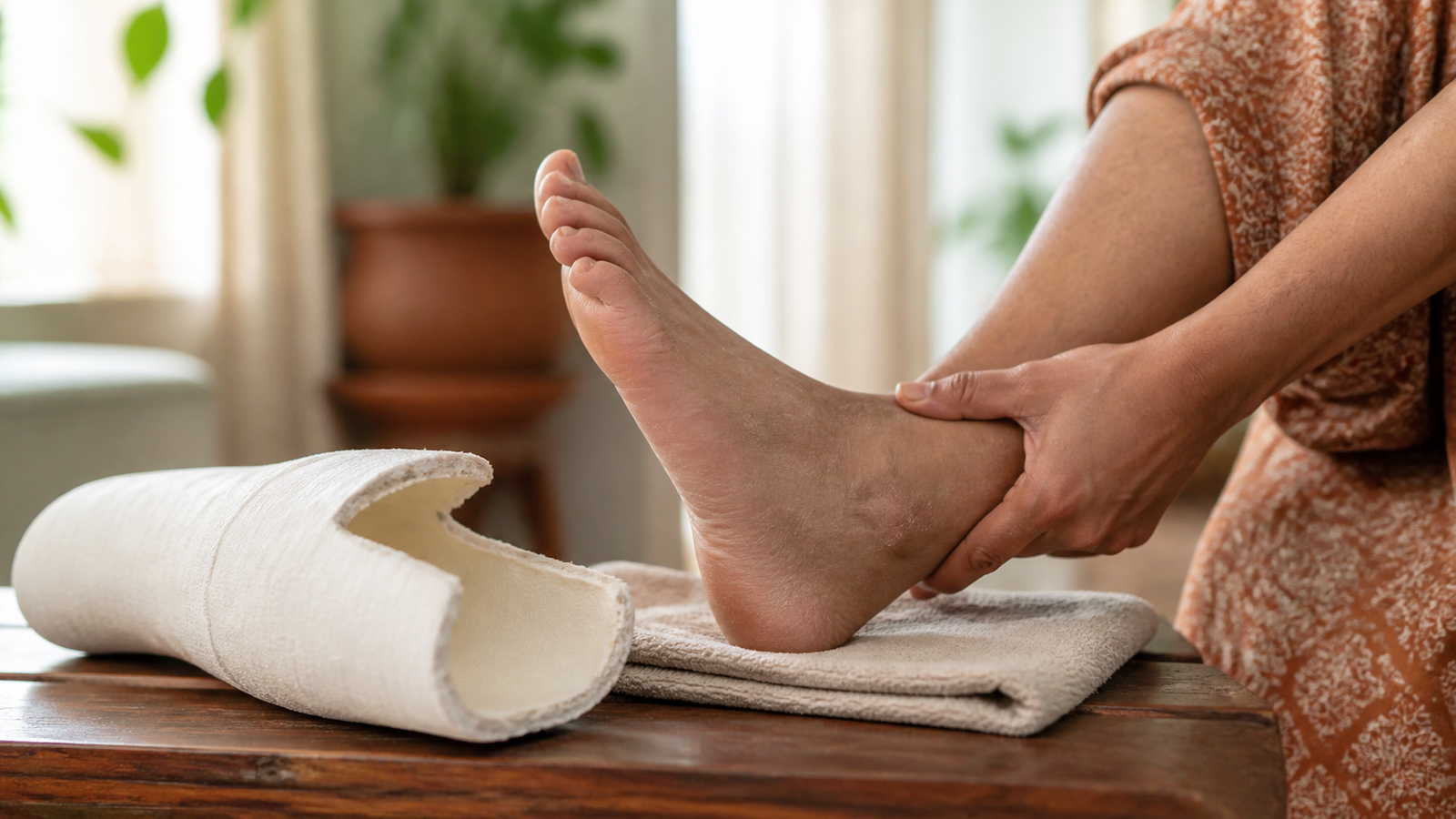
Plaster removal often feels like the final step, but the bone, joints, muscles, and soft tissues may still need time to recover. Some stiffness, weakness, dry skin, swelling, and soreness can happen after immobilisation. For patients searching for bone fracture treatment in Kolkata, the key is knowing which pain is part of recovery and which pain needs a fresh review.
What pain is normal after plaster removal?
Mild soreness, stiffness, weakness, and tightness can be normal after the plaster is removed because the injured limb has not moved freely for several weeks. The area may feel strange, thinner, weak, or slightly swollen when activity restarts. Persistent sharp pain at the fracture site, increasing swelling, deformity, or inability to bear weight should not be ignored.
For patients in Kolkata who still feel unsure after the plaster is removed, a follow-up review after fracture healing can help check pain pattern, swelling, movement, X-ray status, and safe return to activity.
| What may be expected | Why it can happen |
|---|---|
| Mild aching after movement | Bone and soft tissues are adjusting again |
| Joint stiffness | The joint was not moving normally during immobilisation |
| Muscle weakness | Muscles lose strength when they are not used |
| Mild swelling by evening | Circulation and movement are restarting |
| Dry or flaky skin | Skin was covered under plaster for weeks |
| Fear of using the limb | The body becomes cautious after injury |
AAOS explains that even after a cast or brace is removed, movement may need to remain limited until the bone is strong enough for normal activity. Its guide on fractures and broken bones also explains why exercises may be needed to restore strength, joint motion, and flexibility.
The real worry: “The plaster is gone, but I still do not trust the bone”
Many patients expect the pain to disappear the day the plaster comes off.
That rarely happens.
The limb may look smaller. The skin may feel rough. The joint may not bend properly. Walking may feel uneven. A wrist may not grip confidently. An ankle may swell after short walking. A child may avoid using the hand. An older adult may hesitate to put weight through the leg.
This does not always mean the fracture has failed to heal.
A plaster protects the broken bone, but it also stops normal movement. Muscles lose strength. Nearby joints become stiff. Tendons feel tight. The brain also becomes protective because the injured area has been guarded for weeks.
The better question is not only, “Does it still hurt?”
The better question is, “Is the pain improving week by week, or is it sharp, local, and stopping normal use?”
What may suggest incomplete fracture healing?
Incomplete healing may be suspected when pain stays sharp at the same fracture point, swelling keeps increasing, weight-bearing is not possible, deformity appears, or function does not improve as expected.
Warning signs can vary depending on the fractured bone, age, injury type, medical history, and treatment method. Still, some patterns need medical review.
Patients should be careful if they notice:
- sharp, focused pain over the fracture site
- swelling that worsens instead of settling
- increasing warmth, redness, or discharge near a wound
- visible deformity or change in limb shape
- numbness, tingling, or colour change
- inability to bear weight when the doctor has allowed it
- pain that increases with every attempt to move
- no improvement in function over time
- sudden pain after a slip, twist, or fall after plaster removal
This is where guessing becomes risky. A bone fracture doctor in Kolkata can compare the current symptoms with the original injury, old X-rays, cast duration, and present examination findings.
Expected recovery signs vs fracture-healing warnings
| Expected after plaster removal | Needs review |
|---|---|
| Mild stiffness that slowly improves | Severe stiffness with sharp pain |
| Mild swelling after activity | Swelling that keeps increasing |
| Weakness after weeks of immobilisation | Limb cannot be used as advised |
| Aching that settles with rest | Sharp pain at the same fracture point |
| Hesitation while walking or gripping | Inability to bear weight despite clearance |
| Dry skin and mild sensitivity | Redness, discharge, fever, or wound concern |
| Gradual return of movement | No progress or worsening function |
This table is not a diagnosis. It helps patients understand when recovery is following a reasonable pattern and when fracture healing should be checked again.
When is another X-ray needed after plaster removal?
Another X-ray may be needed when pain is stronger than expected, healing is uncertain, swelling persists, the limb looks misaligned, weight-bearing is difficult, or the doctor wants to confirm union before increasing activity.
An X-ray can help review bone position, callus formation, alignment, and healing progress. It may also be useful if the fracture was complicated, recovery is slow, pain returns after activity, or the patient had a fresh slip or twist after plaster removal.
Patients should not return to running, heavy lifting, long standing, full sports, or manual work only because the plaster is gone. The X-ray, pain response, fracture type, and clinical examination all matter.
When does bone fracture treatment in Kolkata need review after plaster removal?
Bone fracture care needs review after plaster removal when pain remains local, swelling persists, movement is not returning, walking is unsafe, or the patient is unsure how much load is allowed.
Patients searching for fracture treatment in Kolkata or a bone fracture doctor in Kolkata should explain the exact post-plaster problem: where the pain is, whether swelling is increasing, whether walking or gripping is difficult, and whether the pain is improving week by week.
Patients looking for a bone specialist for fracture Kolkata should also carry old X-rays, prescriptions, discharge notes, and cast-removal advice. These details help the doctor understand whether the pain is due to normal stiffness, delayed healing, overloading, or another problem.
Dr. Manoj Kumar Khemani may be relevant for patients who need orthopedic evaluation after plaster removal, especially when pain, swelling, stiffness, or delayed functional recovery raises concern. The Heal My Bones website helps patients understand when fracture recovery needs follow-up instead of repeated self-care.
Why swelling can continue after the plaster is removed
Swelling can continue because the limb has been immobilised and circulation is adjusting to normal movement again.
An ankle may swell after short walking. A wrist may become puffy after writing or gripping. A knee or elbow may feel tight after bending. This can improve with gradual movement, rest breaks, elevation when advised, and guided exercises.
But swelling should not keep getting worse.
Swelling that is painful, tense, red, hot, or linked with fever, wound discharge, calf pain, numbness, or worsening function needs medical attention. That pattern should not be treated as routine post-plaster stiffness.
The NHS notes that after a cast is removed, the arm or wrist may be stiff and weak, and worsening swelling or bruising should be reviewed. Patients can read its page on broken arm or wrist recovery for general patient guidance.
How should rehabilitation restart safely?
Rehabilitation should restart gradually, based on the fracture location, healing status, pain level, joint stiffness, and the doctor’s weight-bearing instructions.
The first goal is not heavy strengthening. The first goal is safe movement.
A sensible restart may include:
- gentle joint motion
- stiffness reduction
- circulation improvement
- gradual weight-bearing if allowed
- light strengthening after healing is confirmed
- balance and walking practice for leg fractures
- grip and finger movement for wrist or hand fractures
- avoiding sudden twisting, jumping, or heavy load too early
Some patients recover well with home exercises. Others need supervised physiotherapy, especially after ankle, knee, wrist, elbow, or complex fractures.
Doing too much too soon can irritate the injured area. Doing nothing because the limb feels weak can also slow recovery. The safest path is usually gradual loading with clear medical guidance.
What should patients avoid after plaster removal?
Patients should avoid rushing back to normal activity without permission.
Common mistakes include walking full weight too early, lifting heavy objects, forcefully stretching a stiff joint, massaging aggressively over the fracture point, ignoring swelling that worsens daily, returning to sports before strength and balance recover, or skipping follow-up because the plaster has been removed.
A limb can look healed from outside and still need rebuilding inside.
Normal use should return in steps.
FAQ
Can I walk immediately after my plaster is removed?
Walking immediately after plaster removal is not always safe unless the doctor has allowed weight-bearing. The decision depends on the fracture site, X-ray healing, pain level, balance, muscle strength, and whether support such as a walker, crutch, or boot is still needed. Patients should follow the exact weight-bearing advice given during follow-up.
Is swelling normal after cast removal?
Mild swelling can be normal after cast removal, especially when the limb has not moved properly for several weeks. Swelling becomes more concerning when it keeps increasing, feels hot or tight, causes severe pain, or appears with redness, fever, numbness, or wound discharge. Patients should note when swelling appears and whether it improves with rest or elevation.
Do I need physiotherapy after a fracture plaster is removed?
Physiotherapy may be needed when stiffness, weakness, walking difficulty, poor grip, or reduced joint movement remains after plaster removal. Some simple fractures improve with home exercises, while complex fractures, older patients, or lower-limb injuries may need supervised rehabilitation. The doctor can decide based on X-ray healing, pain, movement, and function.
When can I return to work after plaster removal?
Return to work depends on the fracture location, job type, healing status, pain, strength, and whether the work involves standing, lifting, driving, stairs, or manual labour. Desk work may restart earlier than physical work, but heavy work needs clearer bone healing and functional recovery. Patients should ask for activity-specific guidance instead of following a fixed timeline.
Practical next step
If the plaster has been removed but the bone still hurts, track the pain pattern carefully.
Mild stiffness that slowly improves is different from sharp pain that stays at the same point. Mild evening swelling is different from swelling that worsens with redness or heat. Weakness after immobilisation is expected, but inability to bear weight or use the limb as advised deserves review.
Bring old X-rays, cast-removal notes, prescriptions, swelling history, pain pattern, and activity difficulty to the follow-up visit. The goal is to confirm healing, restart movement safely, and prevent avoidable delay in recovery.
Medical Disclaimer
This article is for general educational purposes only and should not be taken as personal medical advice, diagnosis, or treatment recommendation. Fracture healing, plaster removal timing, X-ray needs, walking permission, swelling, physiotherapy, return to work, delayed healing, and treatment decisions vary from patient to patient. Please consult a qualified orthopedic doctor with your symptoms, reports, injury details, medical history, current medicines, and physical examination findings before making any treatment decision.