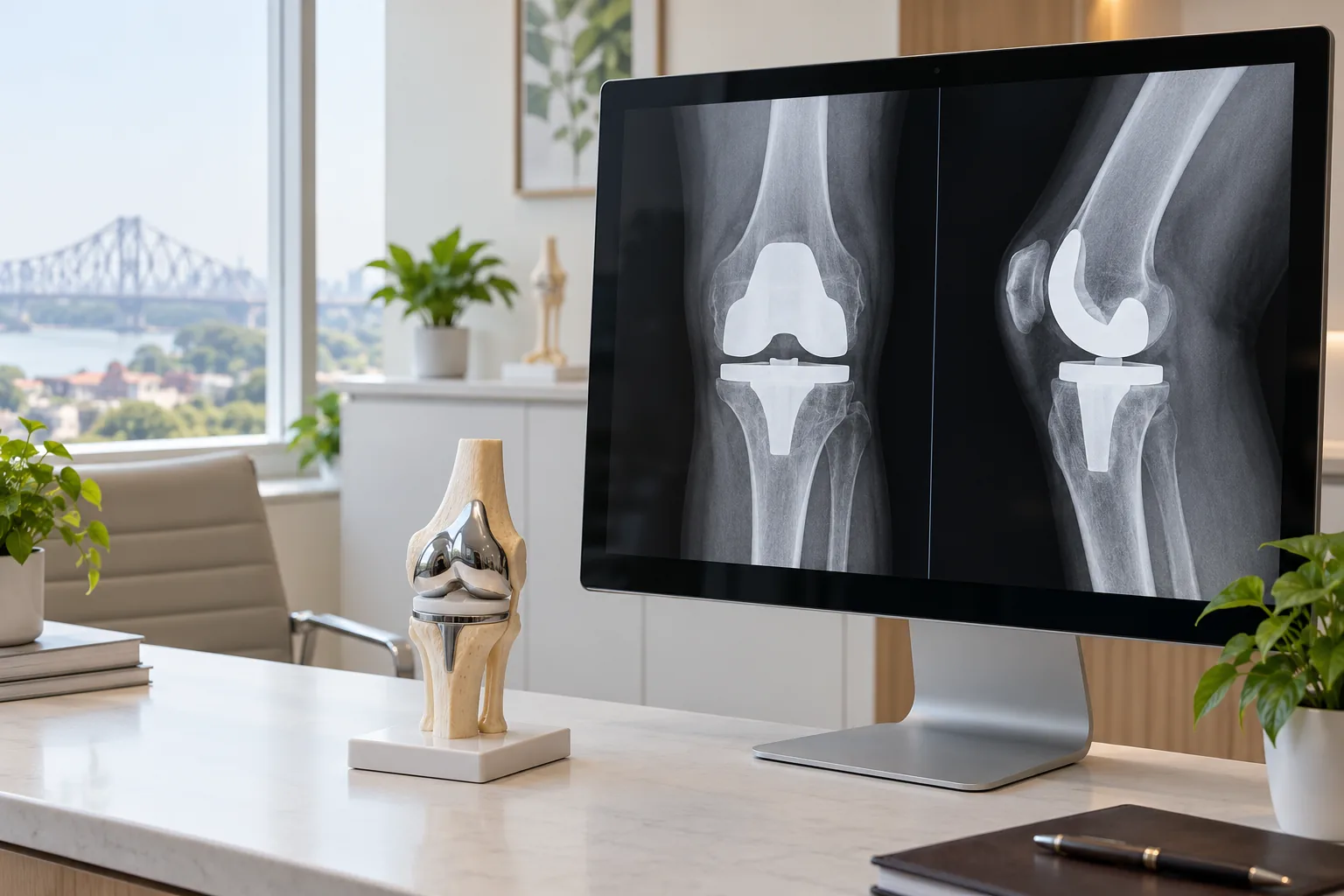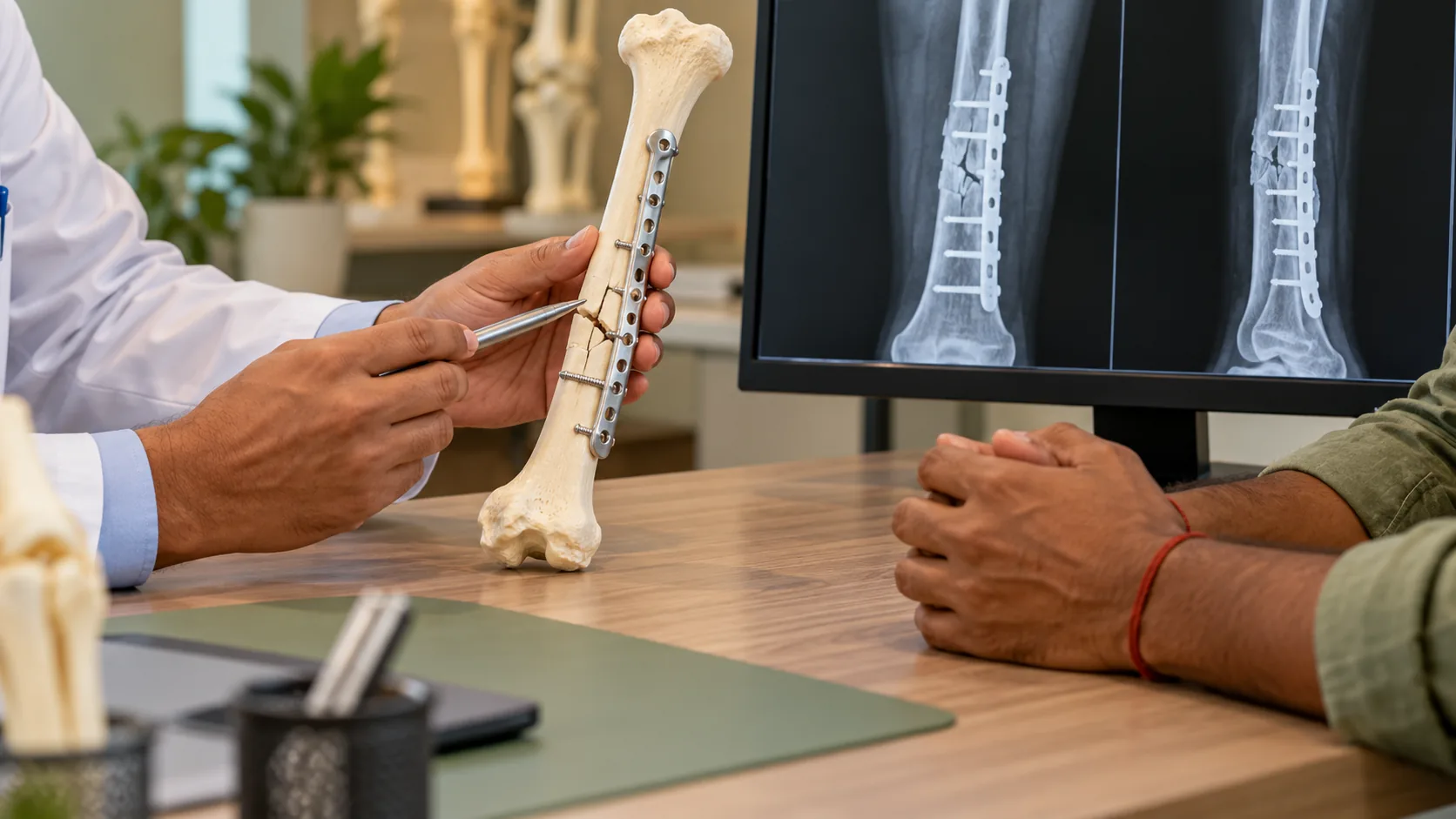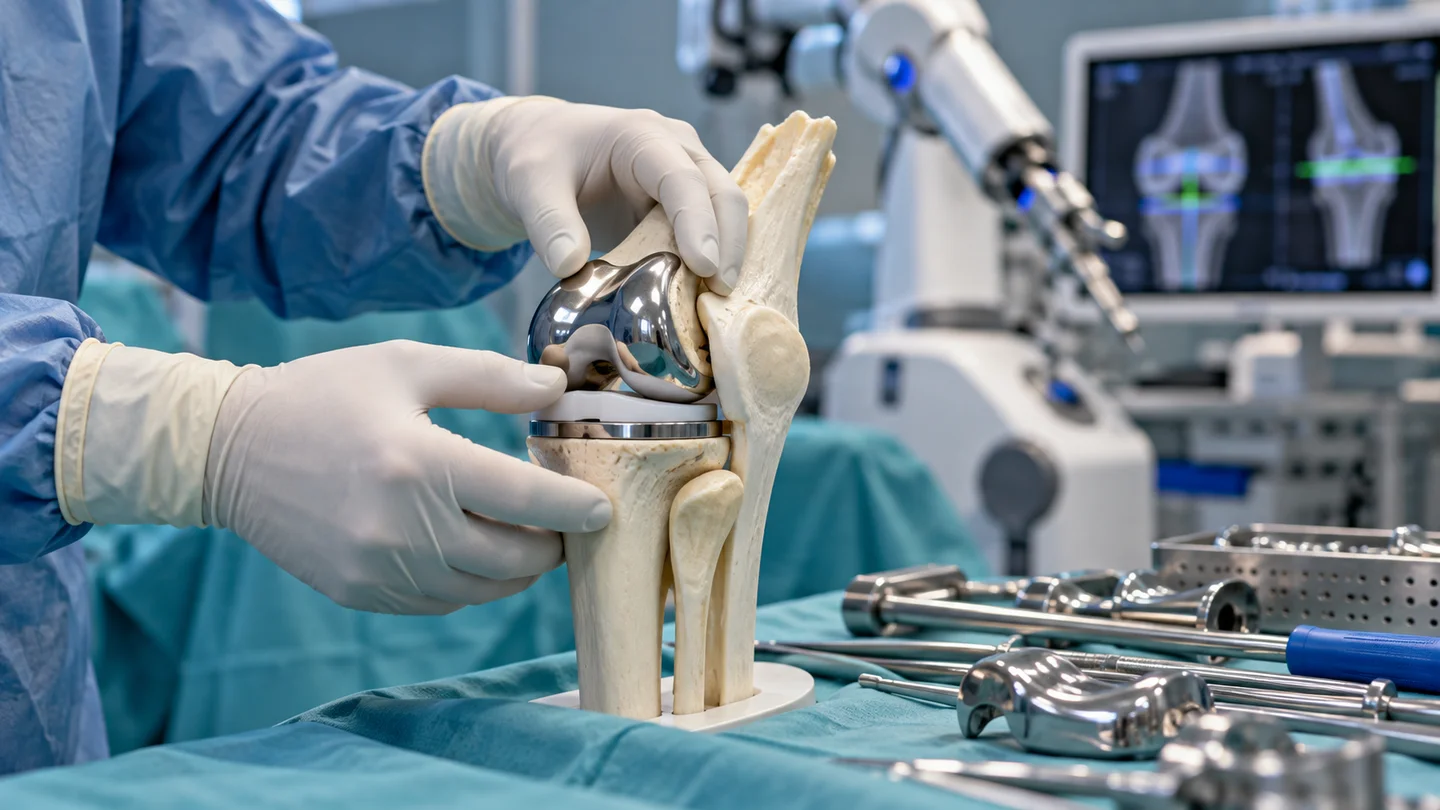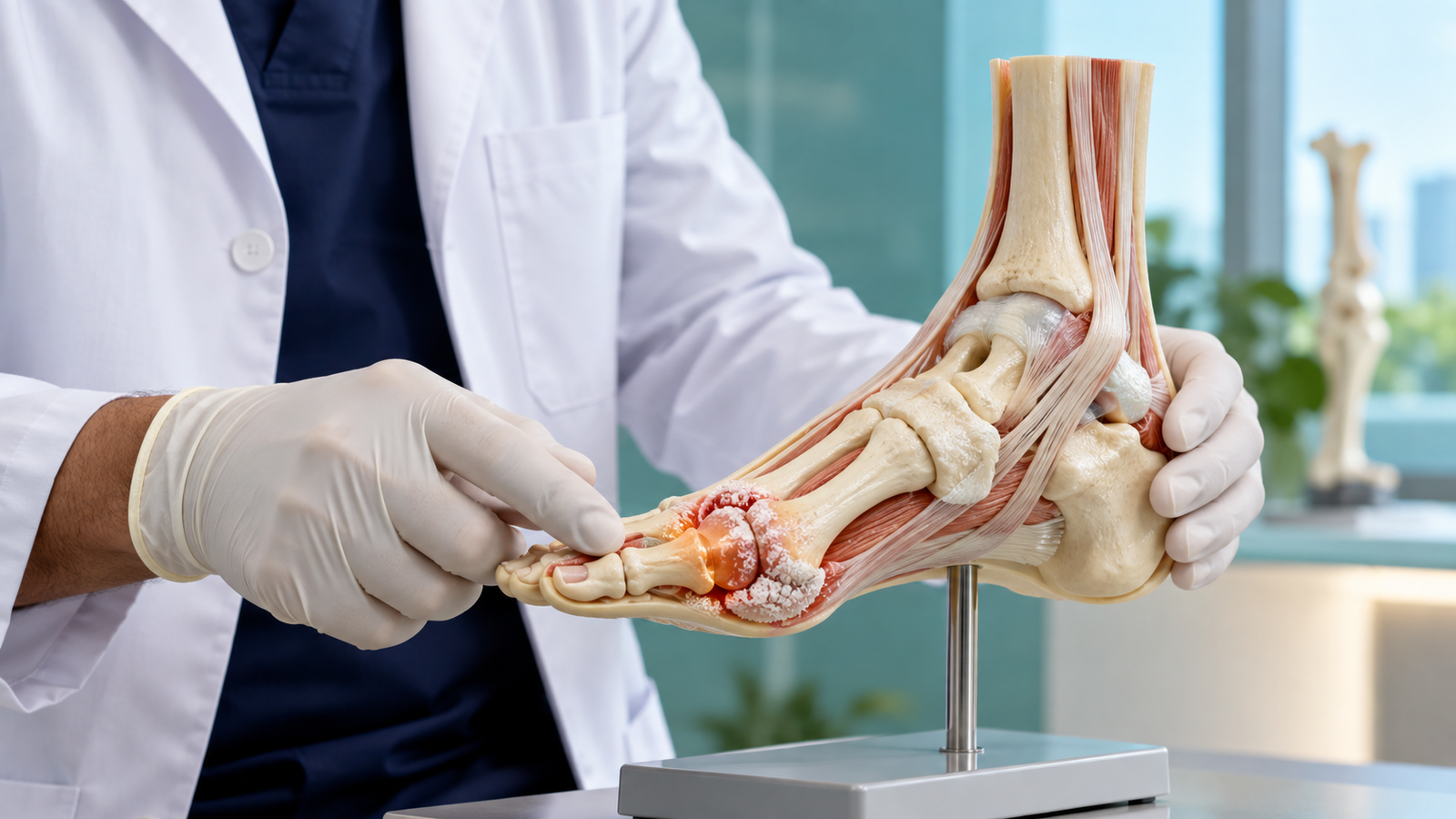

Arthroscopic surgery is a minimally invasive surgical procedure. During the procedure, the surgeon uses an arthroscope to visualize and access the joint to repair or replace damaged cartilage or perform other reconstructive procedures.
It is commonly performed to treat knee cartilage damage, shoulder arthritis, rotator cuff tears, and labral tears.
How is arthroscopy performed?
The surgeon makes a small incision to enter the joint and inserts the arthroscope. Images are sent to a video screen to guide the procedure. Other small instruments may be used to carry out repairs.
What are the benefits of arthroscopic surgery?
- Less pain and swelling after surgery
- Faster recovery time
- Shorter hospital stay
- Smaller incisions
What are the risks?
Risks include infection, bleeding, nerve or blood vessel damage, and reaction to anesthesia. These risks are generally small but should be discussed with your doctor.
Whether you're considering a procedure or simply looking to maintain better bone health, understanding the latest medical insights helps you make informed decisions about your care.