
Joint pain does not always come from the same condition, even when the symptoms appear similar at first. Many patients visiting an Arthritis specialist in Kolkata assume swelling, stiffness, and difficulty walking automatically point to arthritis, but gout can produce equally severe pain in a completely different way. The challenge is that delayed differentiation often leads to improper medication use, recurring flare-ups, and avoidable joint damage.
At our practice, Dr. Manoj Khumar Khemani frequently sees patients who spent months self-medicating for "arthritis pain" when the real issue was uncontrolled uric acid inflammation. Recognizing the difference early changes the treatment pathway completely and improves long-term joint function significantly.
Patients already experiencing recurring stiffness, swelling, or mobility restrictions often benefit from understanding our approach to chronic joint inflammation and long-term arthritis rehabilitation.
How Arthritis and Gout are Different
Arthritis and gout both affect the joints, but they develop through very different biological mechanisms. Arthritis is generally associated with long-term joint inflammation, cartilage degeneration, or autoimmune activity, while gout happens because uric acid crystals accumulate inside the joints and trigger sudden inflammatory attacks.
Here's the easiest way patients can distinguish them clinically:
- Arthritis pain usually develops gradually.
- Gout attacks often begin suddenly, especially overnight.
- Osteoarthritis commonly affects knees, hips, and fingers.
- Gout frequently starts in the big toe but may spread to ankles and knees.
- Arthritis stiffness is often worse in the morning.
- Gout pain is usually sharp, hot, and intensely swollen.
- Arthritis symptoms may remain consistent for years.
- Gout symptoms often come in severe flare cycles.
At our orthopedic consultation workflow, we rely on symptom mapping, inflammatory markers, digital imaging, mobility assessment, and uric acid evaluation to avoid misdiagnosis. Dr. Manoj Khumar Khemani has seen many patients incorrectly treated with painkillers alone when metabolic management was actually required.
Why Gout Is Commonly Misdiagnosed as Arthritis
One of the biggest diagnostic problems is symptom overlap. Both conditions can create redness, swelling, tenderness, and difficulty moving the affected joint.
What usually separates gout clinically is the intensity and speed of onset. Patients often describe gout as "pain appearing out of nowhere," with severe discomfort developing within hours. Arthritis, especially osteoarthritis, tends to worsen progressively over time.
Another overlooked issue is intermittent relief. Gout attacks may disappear for weeks or months, leading people to ignore the underlying metabolic imbalance. During this silent period, crystal deposits may continue damaging joint structures internally.
According to the Arthritis Foundation, untreated inflammatory joint conditions can gradually reduce mobility and increase long-term disability risk. Similarly, the National Institute of Arthritis and Musculoskeletal and Skin Diseases highlights that gout requires targeted uric acid management rather than symptom suppression alone.
Common Symptoms That Help Differentiate the Two Conditions
Signs more commonly linked with arthritis
- Persistent stiffness after inactivity
- Gradual reduction in flexibility
- Crunching sensation during movement
- Symmetrical joint discomfort
- Chronic knee or hip pain
- Difficulty getting up after sitting for long hours
- Knee stiffness while climbing stairs
- Reduced flexibility during morning movement
Symptoms frequently seen in gout attacks
- Sudden nighttime pain
- Severe redness and heat
- Intense swelling in one joint
- Skin becoming shiny or stretched
- Pain severe enough to disturb sleep
- Sudden toe pain after heavy meals or alcohol intake
- Pain so intense that even bedsheets feel uncomfortable
- Difficulty putting weight on the affected foot
In Kolkata's humid climate and sedentary work patterns, both conditions are becoming increasingly common among middle-aged adults. Long office hours, obesity, dehydration, poor dietary patterns, and unmanaged diabetes further increase inflammatory stress on the joints.
How an Orthopedic Specialist Evaluates Joint Pain Correctly
Modern orthopedic assessment goes beyond simply identifying "joint pain." The objective is to determine the exact inflammatory trigger, structural damage level, and recurrence risk.
Dr. Manoj Khumar Khemani regularly evaluates patients with inflammatory and degenerative joint disorders across Kolkata, with a strong focus on early diagnosis, mobility preservation, and non-surgical orthopedic management. Many patients seek consultation only after recurring flare-ups begin affecting daily movement, stair climbing, or sleep quality.
At the clinic, evaluation often includes:
Clinical movement assessment
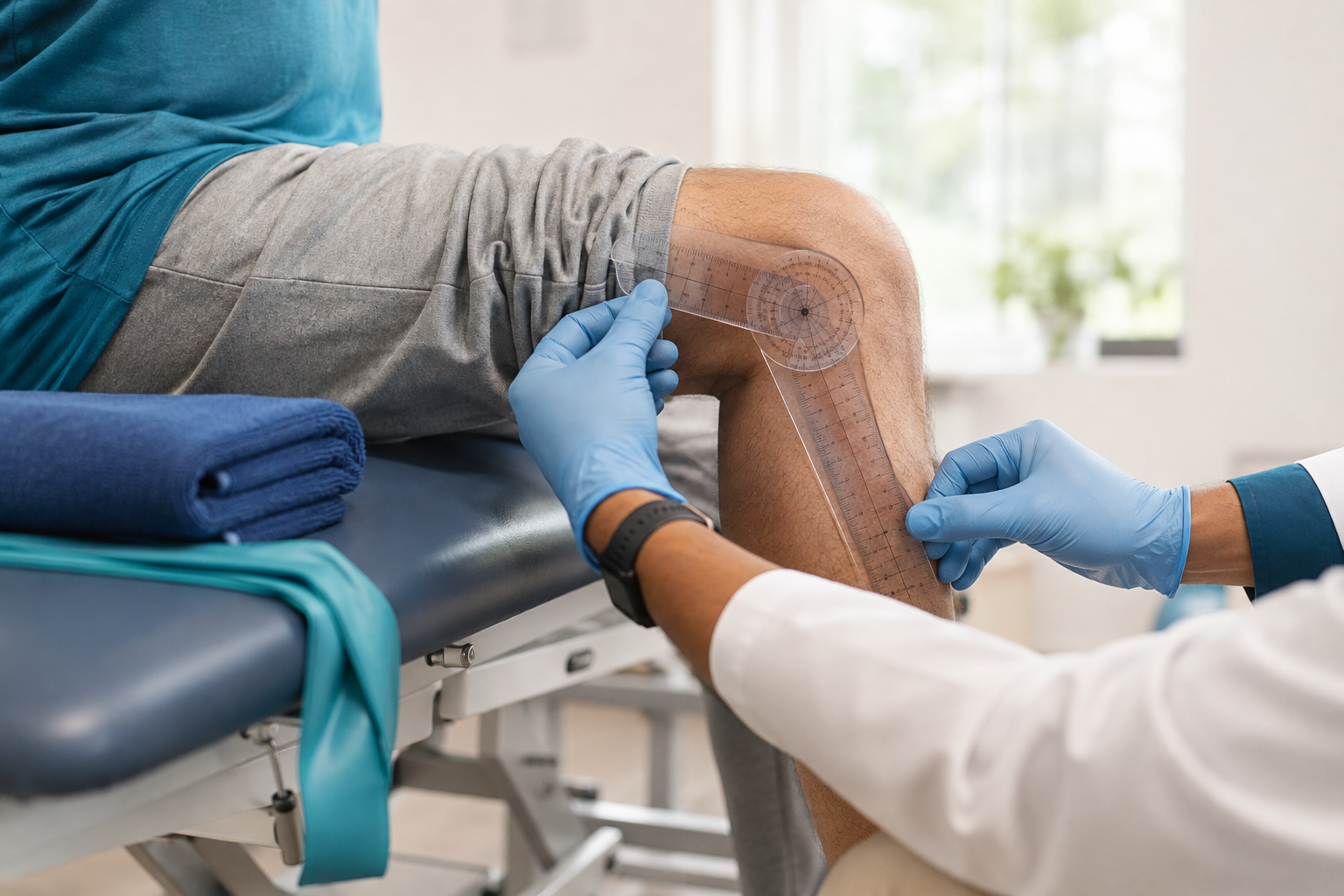
We observe walking patterns, joint loading pressure, stiffness range, and instability during movement.
Imaging support
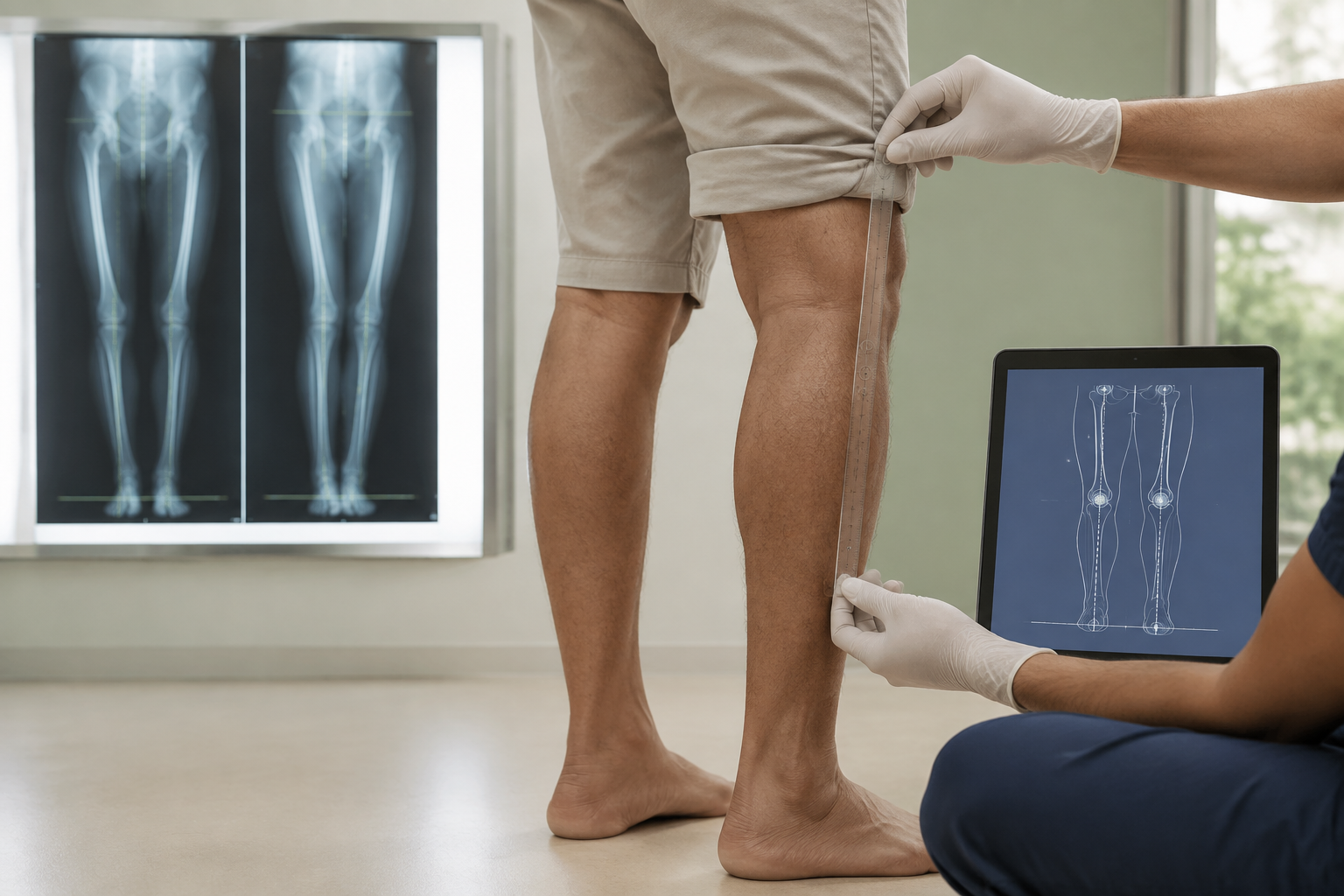
Digital X-rays help detect cartilage loss, joint narrowing, bone spurs, or structural degeneration linked with chronic arthritis.
Blood investigations
Tests may include:
- Serum uric acid
- ESR and CRP inflammatory markers
- Rheumatoid factor
- Kidney function assessment
Lifestyle correlation mapping
Many gout patients show strong dietary triggers involving:
- Red meat
- Alcohol
- Sugary beverages
- Seafood excess
- Inadequate hydration
This combination-based diagnostic approach helps avoid generalized treatment plans that temporarily mask symptoms without addressing the root cause.
Why Early Diagnosis Matters More Than Most Patients Realize
Ignoring recurring joint inflammation creates cumulative damage over time. Arthritis can progressively reduce cartilage cushioning, while uncontrolled gout may lead to crystal deposits called tophi that permanently affect joint structure.
We regularly encounter patients who delayed specialist evaluation because symptoms "came and went." By the time imaging is performed, joint erosion or mobility restriction has already advanced significantly.
Early intervention improves:
- Daily mobility
- Sleep quality
- Walking comfort
- Inflammation control
- Long-term independence
More importantly, accurate diagnosis reduces unnecessary medication dependency. Many patients consume over-the-counter painkillers repeatedly without understanding the underlying inflammatory mechanism causing the pain.
Lifestyle Factors That Worsen Both Arthritis and Gout
Although arthritis and gout are different conditions, several lifestyle factors accelerate inflammation in both.
Weight gain and joint pressure
Excess body weight increases load-bearing stress on knees, ankles, and hips. Even moderate weight reduction can improve mobility significantly.
Poor hydration
Dehydration can worsen uric acid concentration and trigger gout flare-ups more frequently.
Sedentary work culture
Extended sitting reduces joint flexibility and contributes to stiffness progression.
High inflammatory diet
Processed foods, excessive sugar intake, and alcohol may worsen inflammatory activity.
Delayed orthopedic consultation
Patients often seek specialist care only after mobility becomes severely restricted.
Dr. Manoj Khumar Khemani strongly emphasizes sustainable inflammation management rather than short-term symptom suppression. Long-term joint preservation depends heavily on consistency and early clinical intervention.
Uric acid buildup and inflammatory flare triggers
Patients with uncontrolled hyperuricemia often experience recurring inflammatory flare-ups after consuming purine-rich foods, alcohol, or sugary beverages. Over time, uric acid crystal deposition inside the joints may increase swelling episodes and gradually affect joint mobility if not medically managed.
Treatment Approaches Are Not the Same
This is where many patients make dangerous assumptions.
Arthritis management may involve:
- Joint strengthening
- Physiotherapy
- Cartilage protection strategies
- Anti-inflammatory medications
- Mobility rehabilitation
Gout management often requires:
- Uric acid control
- Dietary modification
- Flare prevention
- Metabolic monitoring
- Trigger avoidance
Treating gout like standard arthritis may leave uric acid levels uncontrolled. Treating arthritis purely as a temporary inflammatory issue may allow progressive joint degeneration.
That distinction is exactly why specialist-led evaluation matters.
When Should You See an Orthopedic Specialist?
You should schedule a professional evaluation if you notice:
- Recurring swelling in the same joint
- Morning stiffness lasting over 30 minutes
- Sudden severe toe or ankle pain
- Joint redness with heat sensation
- Difficulty climbing stairs
- Reduced walking endurance
- Pain affecting sleep regularly
Patients dealing with repeated swelling, stiffness, or reduced mobility often seek non-surgical orthopedic evaluation for recurring joint pain before symptoms begin affecting daily activities permanently.
FAQ Section
Why does gout pain usually become severe at night?
Gout attacks commonly intensify at night because lower body temperature and overnight dehydration can encourage uric acid crystal formation inside joints. The big toe, ankle, and foot are especially vulnerable due to reduced circulation during rest. Patients experiencing repeated nighttime attacks should undergo uric acid evaluation and orthopedic assessment promptly.
Can arthritis and gout happen together in the same patient?
Yes, some patients develop both chronic arthritis and gout simultaneously. This is more common among older adults with obesity, diabetes, kidney dysfunction, or long-term inflammatory conditions. Imaging studies and blood investigations help differentiate overlapping symptoms accurately.
Is joint swelling always a sign of arthritis?
No, sudden joint swelling can also indicate gout, infection, ligament injury, or autoimmune inflammation. The speed of onset, pain intensity, warmth, and recurrence pattern usually provide important diagnostic clues. Orthopedic evaluation becomes necessary when swelling repeats or affects mobility consistently.
How do doctors confirm whether the problem is gout or arthritis?
Doctors combine physical examination, imaging, inflammatory markers, and uric acid testing to identify the underlying condition. Arthritis often shows structural joint degeneration, while gout is associated with crystal-triggered inflammation episodes. A specialist-led diagnosis helps prevent long-term joint damage from incorrect treatment.
A Local Consultation Option for Patients in Kolkata
Patients across Salt Lake, New Town, and nearby areas looking for structured joint pain evaluation can also visit Dr. Manoj Khumar Khemani on Google Maps for location details and clinic accessibility. The practice is conveniently reachable for patients seeking orthopedic consultation for recurring swelling, stiffness, or inflammatory joint conditions across Kolkata.