
Categories
Treatments

Arthritis doctor in kolkata

Understanding Arthroscopy: A Minimally Invasive Solution for Joint Problems

When joint pain and discomfort begin to affect your quality of life, it’s crucial to explore effective and minimally invasive treatment options. Arthroscopy is one such advanced technique that offers a less invasive alternative to traditional open surgery, making it a preferred choice for many patients.

What is Arthroscopy?

Arthroscopy is a specialized surgical procedure used to diagnose and treat joint problems. It involves inserting a small camera, called an arthroscope, into the affected joint through a tiny incision (key hole). This camera provides real-time images of the joint’s internal structure, allowing the surgeon to see exactly what is wrong and guide the necessary treatment. Commonly performed on the knee, shoulder, elbow, wrist, ankle, and hip, arthroscopy enables both diagnosis and repair in a single procedure.

Arthroscopy Key hole surgery

Why Choose Arthroscopy?

  • Minimally Invasive: Unlike traditional surgery, arthroscopy requires only small incisions, leading to faster recovery and less post-operative pain.
  • Faster Recovery: Patients typically return to daily activities sooner than with open surgery.
  • Accurate Diagnosis and Treatment: Arthroscopy allows precise identification of joint issues and immediate treatment, such as cartilage repair or removing loose fragments.
  • Less Scarring: Due to the small incisions, scarring is minimal, improving cosmetic outcomes.
  • Lower Risk of Infection: Smaller wounds mean a reduced risk of infection, making this a safer option for many.

Conditions Treated by Arthroscopy

Arthroscopy can address a variety of joint conditions, including:

  • Torn Ligaments: Such as ACL or meniscal tears in the knee.
  • Cartilage Damage: Repairing or smoothing out worn or damaged cartilage.
  • Inflammation: Addressing inflamed synovial tissues in conditions like rheumatoid arthritis.
  • Loose Bodies: Removal of fragments of bone or cartilage floating within the joint.
  • Shoulder Impingement: Releasing pinched tendons or repairing rotator cuff tears.

Best arthroscopy surgeon in Kolkata

The Procedure: What to Expect

Arthroscopy is typically performed under general or local anesthesia, depending on the complexity of the case and patient preference. The surgeon makes small incisions around the joint to insert the arthroscope and other specialized instruments. The procedure may take anywhere from 30 minutes to 2 hours, depending on the joint and the treatment required.

Post-surgery, patients can usually go home the same day. Recovery times vary, but most people can resume normal activities within a few weeks, with physiotherapy often recommended to aid rehabilitation.

Why Arthroscopy is a Game-Changer for Joint Care

As joint preservation techniques continue to evolve, arthroscopy stands out as a game-changing procedure. Whether you are dealing with chronic pain, stiffness, or a sudden injury, arthroscopy offers a precise and effective solution with minimal downtime.

If you’re experiencing persistent joint pain and have not found relief through non-surgical methods, arthroscopy may be the next step toward regaining your mobility and improving your quality of life.

Final Thoughts

Don’t let joint pain hold you back. Arthroscopy can help diagnose and treat your condition with minimal disruption to your life. Speak to an experienced orthopedic surgeon to explore whether arthroscopy is the right option for you.


Dr Manoj Kumar Khemani, Best arthroscopy surgeonDr. Manoj Kumar Khemani has over 15 years experience in advanced arthroscopy surgery.
Call +91-8697449191 for appointment or fill this contact form.

Categories
Treatments

Ligament injuries treatment

What is a Ligament?

A ligament is a tough bundle of fiber which connects two or more bones to each other around the joints. These are made of collagen fibers and are not visible on X-rays.

What is the function of a ligament?

Ligaments bind two bones in such a way that the joints can move in a restricted way. They prevent excessive and abnormal movement in the joints and also provide protection from the dislocation.

How does a ligament get injured?

Ligament injury or ligament tear is caused due to excessive bending or torsional force along a joint. The ligament fails to hold the joint in place and gives away. Ligament injuries are commonly known as “ligament sprain”.

Types of Ligament injuries

There are 3 grades of ligament injuries depending on the severity of the tear.

Common ligament injuries

Almost any joint can have ligament injury. However few joints are more susceptible to these injuries. Joints which frequently suffer from ligament injuries are:

  • Ankle
  • Knee
  • Lower back
  • Wrist
  • Elbow

Diagnosis:

Ligament injuries are frequently missed as they are not visible on x-ray. A missed grade II or III sprain cam cause prolonged discomfort to the patient.

Thorough clinical examination can help in diagnosing the injury. MRI scan can pick up ligament injuries.

Treatement:

Treatement depends on the grade of injury and the joint involved.

  • Grade I injuries are treated with rest, ice compression and analgesics.
  • Grade II injuries are treates with braces with a longer period of rest.
  • Grade III injuries are treated with absolute rest or in plaster if possible.

Some ligaments with grade II of III injuries never heal by themselves (e.g.- Anterior cruciate ligament of the knee). These ligemants require surgical intervention. Read about ACL injuries under Arthroscopy.

Categories
Treatments

Osteoporosis treatment in kolkata

Have you ever thought why people have hip fracture or wrist fracture or spine fracture after simple injuries ?

Having a fracture after falling from bed or slipping in bathroom is not normal.

All or most of these people are of age 50 years or above.

So why does it happen? The culprit is “OSTEOPOROSIS”.

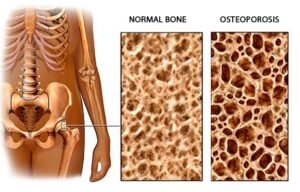
What is Osteoporosis ?

Osteoporosis is a disease of the bones in which it thins and weakens so much that it breaks with minimum force. In simple terms osteo-porosis means “porous bone”. People with osteoporosis most commonly break their hip, spine, or wrist bone, but any bone can be affected.

Osteoporosis is now recognized as a world wide problem. It is estimated to affect 200 million women worldwide ! Even men are not spared. 1 in 3 women and 1 in 5 men over the age of 50 are at a risk of osteoporotic fracture. Although osteoporosis can strike at any age, it is most common among older people, especially older women.

What causes Osteoporosis?

Our bones are living tissues and are constantly changing. This change is so slow that we hardly realize it. Throughout our lives, the body breaks down old bone and replaces it with new healthy bone. We attain a maximum bone density at the age of 20-25 years (peak bone mass). As we grow old, the process of breaking down bone increases and less new bone is formed.

In osteoporotic people, this new bone has a poor framework and can break easily.

Osteoporosis depends on these factors:

  • Peak bone mass
  • Rate of bone break down
  • Rate of new bone formation

It is often called “silent killer” because bone loss occurs without symptoms. People may not know that they have weak bones until a sudden bump, or fall causes a bone to break. The resulting fracture can prove to be costly. The patient may need a plaster, operation, and sometimes may have to live with a long term disability.

Prevention, diagnosis and treatment

Now-a-days there are various tests and scans available to diagnose osteoporosis. The good news is that there are many steps that can be taken to prevent and treat osteoporosis. With a combination of lifestyle changes and appropriate medical treatment, many fractures can be avoided.

Categories
Treatments

Best knee replacement doctor in kolkata

Total Knee Replacement: A Life-Changing Solution to Knee Pain

As a specialist in joint replacement surgeries, I’ve witnessed first-hand how debilitating knee pain can be. Many patients suffer in silence, delaying the inevitable – a procedure that can significantly improve their quality of life. If you’re one of those people enduring persistent knee pain, limited mobility, and reduced activity, Total Knee Replacement might be the right solution for you.


What is Total Knee Replacement?

Total Knee Replacement (TKR) is a surgical procedure where the damaged cartilage and bone of your knee joint are replaced with artificial components, restoring smooth joint function. This is typically recommended for patients with severe osteoarthritis, rheumatoid arthritis, or other degenerative joint diseases.

Why Should You Consider Knee Replacement?

Patients often hesitate to undergo surgery, even when knee pain becomes intolerable. However, delaying the procedure can lead to further joint deterioration and a decline in overall health. Here are some reasons to consider knee replacement now:

  1. Relief from Chronic Pain: Knee replacement surgery eliminates the constant pain that no longer responds to medications or physical therapy.
  2. Improved Mobility: Patients experience a dramatic improvement in movement, allowing them to return to activities like walking, cycling, and even sports.
  3. Long-Lasting Results: Modern knee implants are durable and can last over 15 to 20 years, providing long-term relief.
  4. Enhanced Quality of Life: Enjoying a pain-free life means regaining independence and participating in social, professional, and recreational activities.

See what my patients say on YouTube

The Procedure – What to Expect

During the surgery, the damaged portions of your knee are removed, and a prosthetic joint made of metal and high-grade plastic is implanted, as shown in the image below:

The surgery takes around 1-2 hours, followed by a recovery period. Physical therapy starts soon after the procedure to help you regain strength and mobility.


Knee replacement

Total knee replacement


Cutting-Edge Technology: Robotic and Augmented Reality-Assisted Knee Replacement

With advancements in medical technology, knee replacement surgery has become even more precise and effective. Two key innovations include robotic-assisted surgery and augmented reality (AR), which have revolutionized how joint replacements are performed:

  1. Robotic-Assisted Surgery:
    Using a robotic system during surgery allows for highly accurate placement of the knee implant. The robotic arm, controlled by the surgeon, uses real-time data to create a personalized surgical plan. This level of precision minimizes human error, ensures proper alignment of the implant, and leads to a faster recovery and better long-term outcomes for patients.
  2. Augmented Reality (AR) in Surgery:
    AR technology superimposes digital images and data over the patient’s real anatomy during the procedure. Surgeons can visualize the joint in 3D, helping them make more informed decisions during surgery. This technology enhances precision, improves safety, and offers greater customization for each patient.

The integration of these advanced technologies not only increases the accuracy of the procedure but also reduces the risk of complications, speeds up recovery time, and provides a more personalized experience for the patient.

Common Concerns About Knee Replacement

  • Is it painful?
    While there may be some post-surgical discomfort, pain management techniques have improved dramatically. Patients are often surprised at how manageable the recovery process is.
  • How long does recovery take?
    You’ll likely be able to walk with assistance within a day or two. Most people return to their daily activities within 6-8 weeks, with full recovery taking a few months.
  • Is the procedure safe?
    Knee replacement surgery is one of the most common and safest orthopedic procedures. Complications are rare, and advancements in technology and surgical techniques, like robotic assistance and AR, continue to improve outcomes.

Why Choose Knee Replacement Now?

You don’t need to wait until the pain is unbearable. The longer you delay, the more damage is done to your joint, and the harder it becomes to recover fully. By addressing the issue now, you can prevent further complications, regain your mobility, and live without constant pain.

Patient Testimonials


Dr Manoj Kumar Khemani

Dr. Manoj Kumar Khemani is pioneer in advanced knee replacement using Augmented reality technology and Robotics.
Call +91-8697449191 to book appointment


Categories
Treatments

Hip Replacement in Kolkata

Total Hip Replacement Surgery (THR) – Restore Mobility & Live Pain-Free

Living with chronic hip pain can gradually take away your mobility, independence, sleep quality, and confidence. When medications, lifestyle changes, and physiotherapy are no longer effective, Total Hip Replacement (THR) offers a reliable and scientifically proven solution to help you walk comfortably and enjoy life again.

At Heal My Bones, we provide advanced hip replacement surgery in Kolkata, performed by experienced orthopedic surgeons backed by modern technology, evidence-based treatment planning, and personalized post-operative care.

Hip replacement in kolkata


Understanding Total Hip Replacement (THR)


What is Total Hip Replacement?

Total Hip Replacement (also called hip arthroplasty) is a surgical procedure in which the damaged ball-and-socket hip joint is replaced with durable artificial components. These implants are typically made of long-lasting materials such as ceramic, titanium, stainless steel, or highly cross-linked polyethylene.

The aim of the surgery is to:

  • Eliminate chronic hip pain

  • Restore natural and smooth joint movement

  • Improve stability, function, and walking ability

  • Enhance overall quality of life

Total hip replacement is one of the most successful orthopedic procedures globally, delivering long-term relief for a large percentage of patients. Studies show that over 90–95% of modern hip implants can last 15–20 years or more, depending on factors like lifestyle and implant material.


Who Should Consider Hip Replacement Surgery?

You may benefit from hip replacement in Kolkata if you are experiencing:

✔ Persistent hip pain even at rest
✔ Difficulty in daily activities such as walking, getting up, or climbing stairs
✔ Joint stiffness that limits mobility

 Severe damage due to:

  • Osteoarthritis

  • Rheumatoid arthritis

  • Avascular necrosis

  • Hip fractures

  • Traumatic injuries

    ✔ Inadequate relief from medications, injections, exercise therapy, or lifestyle modification

During your consultation at Heal My Bones, our hip replacement surgeon in Kolkata will assess your condition through medical history, imaging tests, physical examination, and lifestyle analysis to recommend the most suitable treatment option.


The Surgical Procedure – What to Expect

Total hip replacement is performed under spinal or general anesthesia using advanced surgical precision to restore natural movement and maximize implant longevity.

Before the surgery, thorough medical evaluations and discussions with the orthopedic surgeon are crucial. They will assess your overall health, discuss any existing conditions, and ensure you’re mentally and physically prepared for the procedure.

total hip replacement xray


During the Procedure:


  • Damaged bone and cartilage surfaces are carefully removed

  • A medical-grade prosthetic socket is placed in the pelvis

  • A metal or ceramic ball is attached to a stem inserted into the femur

  • The new joint is aligned for smooth, stable movement and long-term function

At Heal My Bones, we follow modern and minimally invasive surgical techniques that help:

  • Reduce soft tissue damage

  • Minimize blood loss

  • Lower post-operative discomfort

  • Promote faster rehabilitation


Recovery & Rehabilitation

Recovery begins soon after surgery, with the goal of enabling early mobilization and steady progress. Your personalized rehabilitation program may include:

  • Strength-building physiotherapy

  • Flexibility and motion exercises

  • Balance and walking-training sessions

  • Education on joint protection and safe movements

Most patients are able to:

  • Sit and walk with support within the first day or two

  • Resume normal daily activities within 4–6 weeks

  • Return to work and recreational activities in a few months

With regular follow-ups and guided physiotherapy, patients regain stable hip function and long-lasting mobility improvements.


Post-Surgery Life


Benefits of Total Hip Replacement

Undergoing hip replacement surgery at Heal My Bones can offer:

✨ Remarkable pain relief
✨ Smoother hip movement and improved joint stability
✨ Better sleep and daily comfort
✨ Restoration of independence and mobility
✨ Ability to return to work, exercise, and travel
✨ Long-lasting implant durability with modern designs
✨ Improved posture, gait, and life satisfaction

Many patients report improved physical ability and emotional well-being within just a few months of surgery.


Potential Risks and Complications

As with any major surgery, hip replacement carries certain risks, including:

  • Infection

  • Blood clots

  • Implant wear or loosening

  • Dislocation

  • Nerve or blood vessel injury

However, with:

  • Pre-surgical evaluation

  • Optimized medical management

  • Skilled orthopedic techniques

  • Modern implants

  • Proper rehabilitation

the overall complication rate is low and outcomes are highly successful.

Our team ensures thorough medical assessment, clear patient counseling, and vigilant post-operative monitoring for a safe and smooth recovery.

hip replacement surgeon in kolkata


Why Choose Heal My Bones for Hip Replacement in Kolkata?

  • Highly experienced hip replacement surgeons with strong clinical outcomes

  • Advanced surgical approaches, including minimally invasive options

  • Modern, scientifically validated implants for longer life and stability

  • Patient-first care, from pre-surgical planning to long-term follow-up

  • Dedicated physiotherapy and rehabilitation programs for accelerated recovery

  • Evidence-based treatment protocol ensuring reduced complications and dependable results

Our goal is to provide a long-term, functional solution that allows you to return to an active, pain-free lifestyle.


Take the First Step Toward Pain-Free Living

If hip pain is limiting your daily routine, work, social life, or emotional well-being, now is the right time to explore expert orthopedic guidance.

Schedule a consultation today and learn how Total Hip Replacement (THR) can restore your mobility, confidence, and long-term quality of life.

Heal My Bones – Your trusted destination for hip replacement in Kolkata.


Dr Manoj Kumar Khemani - Bone Specialist & Best Orthopedic Doctor in Kolkata

Crafted with care by Dr. Manoj Kumar Khemani – Leader in Orthopedic Excellence.
Call +91-8697449191 for appointment.

Categories
Treatments

Bone fracture treatment

The incidence of fracture has vastly increased worldwide in recent times. The reason is fast moving lifestyle causing increased number of accidents, lack of exercise and poor diet causing weak bones (osteoporosis) and increased life expectancy. Nearly every household has or knows somebody who is suffering from a fracture. In spite of it being such common problem there is hardly any awareness regarding the approach to proper treatment in fractures.

Although fractures might not be entirely preventable there are ways to minimize your fracture risk. One way is by building stronger bones and keeping them healthy.

In case of fracture I advise that you do not panic. Follow these simple first aid measures.

First Aid Measures:

If a person is suspected of having a fracture, do the following :

  • Try to maintain the patient still and composed. Prevent unnecessary movement arising out of anxiety or fear. Do Not Panic.
  • Examine the person closely for the presence of other injuries and call for medical help. If medical help is quickly available, hand over the patient to them for further treatment.
  • If there is a break in the skin surface, it can be rinsed to remove any visible dirt or other potential contamination. However, vigorous flushing or scrubbing of the wound should be avoided.
  • In case of bleeding from the injured limb use a cloth or cotton bandage to compress the bleeding site. Do not attempt to find the source of bleeding.
  • The broken bones can be immobilized with the help of splints. Rolls of newspaper, cardboard or strips of wood can be used. It is important to immobilize the area both above and below the injured bone.
  • Ice packs can be applied to reduce pain and swelling. Do not put ice directly over the skin. Keep the ice in a cloth or polybag and then apply it.
  • Do not give the person anything to eat or drink as this will cause any emergency operation difficult.
  • Take the patient to nearest hospital or medical facility for primary care. Treatment by Orthopaedic surgeon is preferable.

How do I Know I have a fracture ?

Pain and swelling in an area is hallmark of a fracture. If your limb is moving abnormally its most likely to be fractured. Sometimes it is difficult to know that there is a fracture. X-rays can detect most of the fractures. In some cases a CT-scan or an MRI scan may be needed.

Somebody has a fracture, what to do ?

Follow the First Aid guidelines given above. Contact your nearest medical centre with orthopedic facilities.You can get in touch with me also through the helpline number given above.

Do I need an plaster or operation ?

Its best to leave it to your Orthopedic Surgeon to decide.

I have swelling even after opening of plaster.

It is quite common to have some swelling (especially in the legs) after opening plaster. There is no need to get worried. This swelling can last for a variable period from a few days up to 2 months. You should consult your doctor if there is excessive pain and stiffness or if the swelling persists for more than 2 months.

My fracture is not healing !

Once in a while I get patients whose fractures are difficult to heal. One common reason for it is that there is less bone formation around the fracture site. In such situations you may need operation with bone grafting to stimulate the healing process.

What is a Synthetic plaster ?

A Synthetic plaster is made out of fiberglass, a kind of moldable plastic. These casts come in many bright colors and are lighter. They are tougher and more durable than the traditional plaster of paris casts.

Fiberglass plaster are strong enough to allow immediate weight bearing.

Synthetic plasters can be combined with waterproof liners to give you a waterproof plaster.