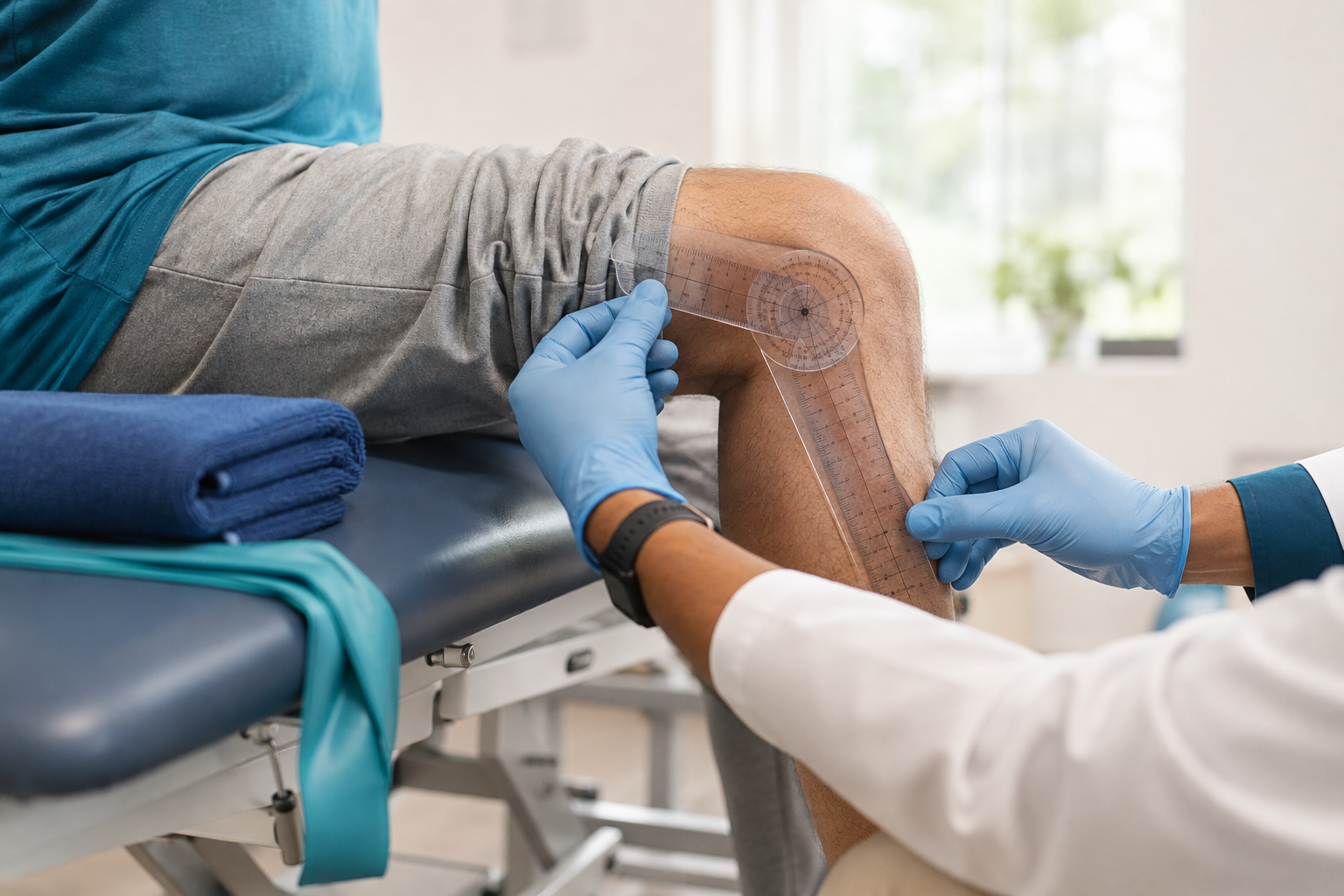

Osteoarthritis is a progressive joint disease that affects the joints in your body. It occurs when the cartilage in the joint wears down and becomes inflamed, eventually leading to pain and stiffness.
Osteoarthritis can affect any joint in your body, but it most commonly develops in the small joints of the hands and feet (called wrist joints), the large joints like hips, knees, and shoulders, or the spine (vertebral column). Less commonly, osteoarthritis can occur in other areas such as the elbows and ankles.
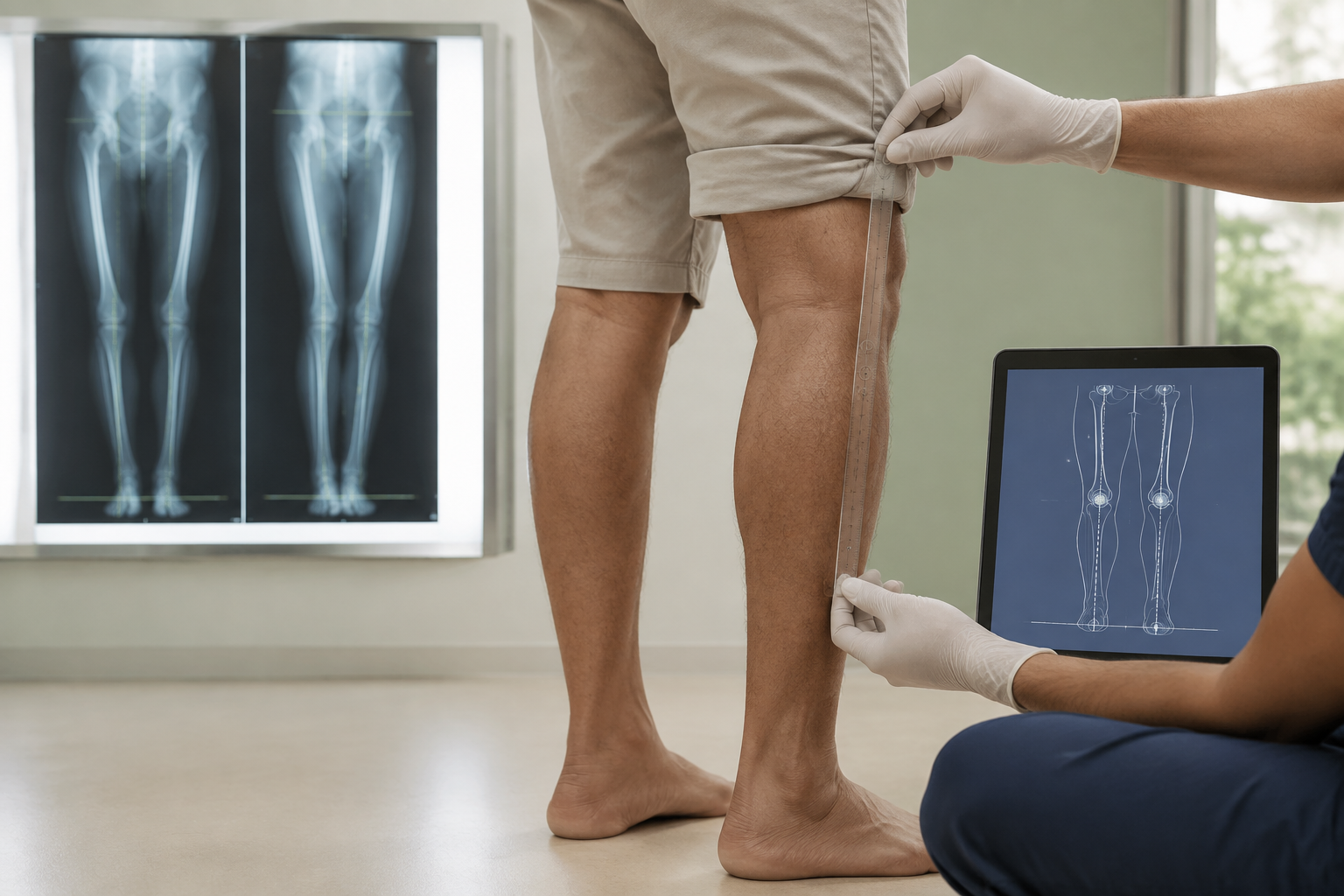
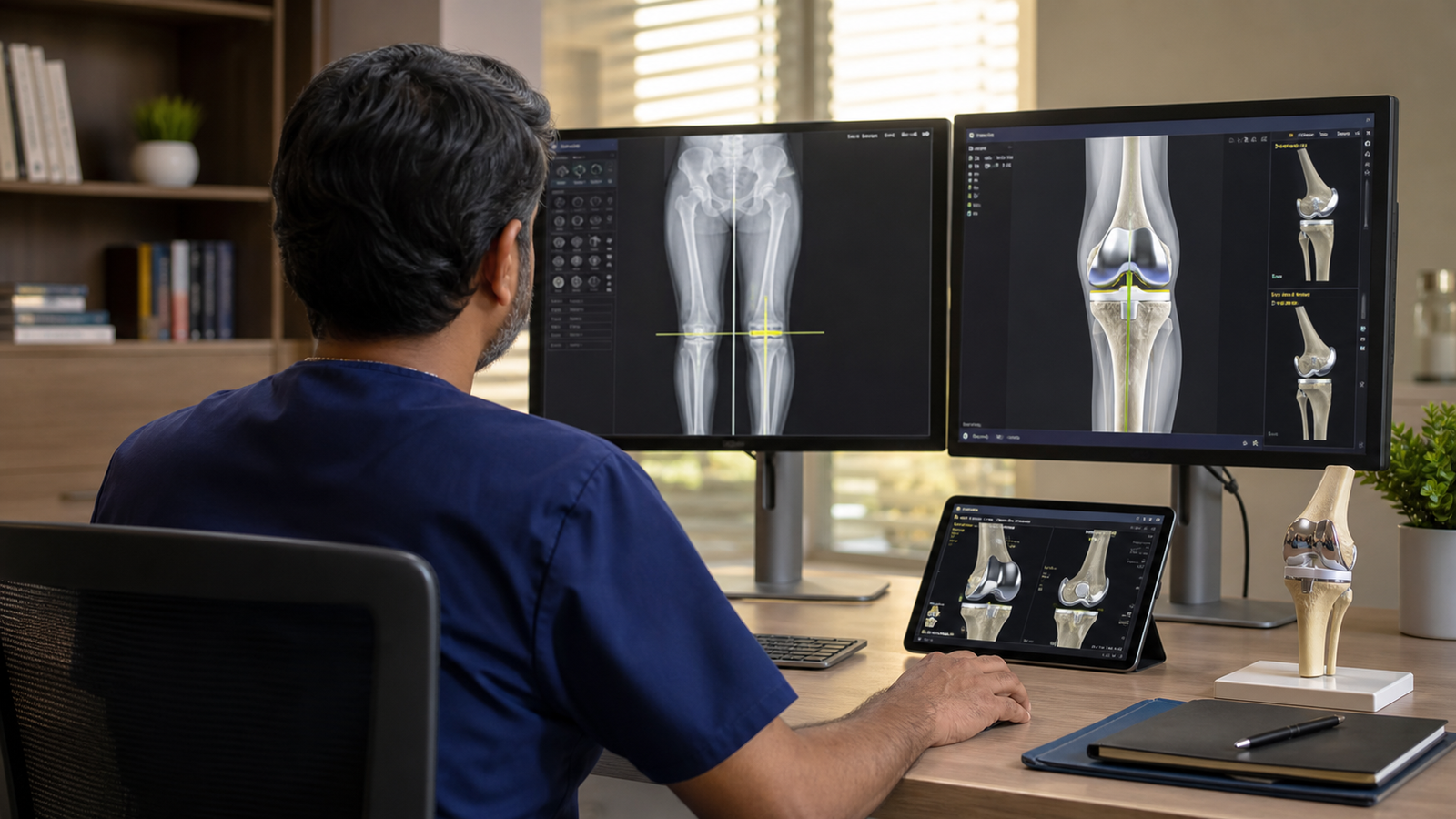
Osteoarthritis can be diagnosed with X-rays or MRIs. An osteoarthritis doctor may also recommend other diagnostic tests such as CT scans or ultrasounds. Treatment depends on the type of osteoarthritis you have, as well as your overall health and well-being.
Symptoms of Osteoarthritis
Common symptoms of osteoarthritis include:
- Pain in the joint, especially when you use it or move it
- Stiffness in the joint, especially after you’ve been inactive for a while
- Swelling in the joint
- Tenderness in the joint
- Limited range of motion in the joint
- Deformity in the joint
If you have any of these symptoms, you must visit an orthopedic specialist immediately.
How to Treat Osteoarthritis?
There is no one “best” way to treatment osteoarthritis, as the condition affects everyone differently. However, there are some common treatments that can help to relieve symptoms and slow the progression of the disease.
Treatment for osteoarthritis usually begins with non-surgical methods. Some of these common treatments include:
- Exercise: Strengthening the muscles around the joint can help to support it and reduce pain.
- Physical Therapy: A physical therapist can help you to develop a safe and effective exercise program.
- Weight Loss: If you are overweight, losing weight can help to reduce the amount of stress on your joints.
- Medication: Over-the-counter and prescription medications can help to reduce pain and inflammation.
- Injections: Corticosteroid or hyaluronic acid injections can help to relieve pain and improve joint function.
In some cases, surgery may be necessary to repair or replace the damaged joint.
If you're looking for help with your osteoarthritis, don't hesitate to contact a specialist orthopaedic surgeon. He will provide you with a diagnosis and treatment plan tailored to your unique needs.
Whether you're considering a procedure or simply looking to maintain better bone health, understanding the latest medical insights helps you make informed decisions about your care.